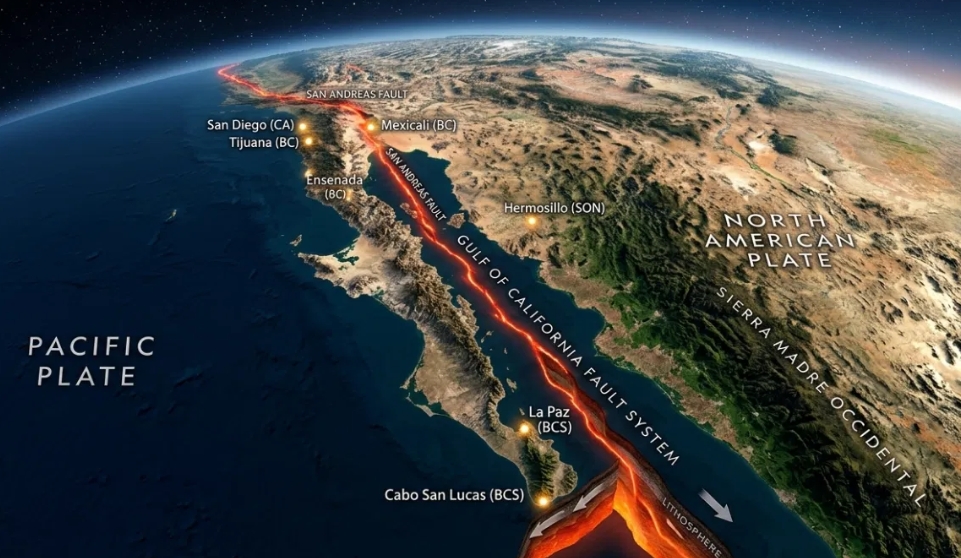

The San Andreas Fault is one of the most fascinating and feared geological giants on the planet. Stretching more than 1,300 kilometers across California, this colossal tectonic system marks the boundary between two plates that relentlessly slide past each other. But what about Mexico? Although the fault does not cross the Mexican border, its seismic shadow extends strongly into the northern part of the country, influencing entire cities that live under the constant threat of an earthquake. The energy accumulated by this monster of rock and pressure does not recognize political boundaries.
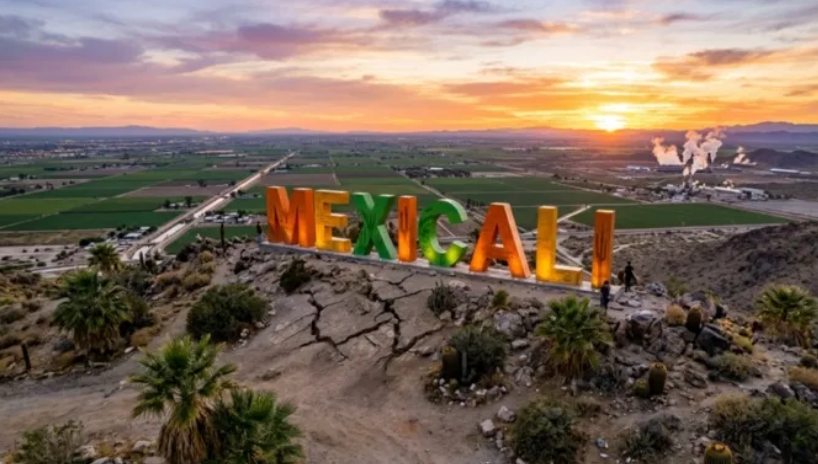
Mexicali, Baja California: The Capital on the Fault Line
Mexicali is not only the closest city; it is located at the heart of the system. It sits on the Cerro Prieto fault system, a direct branch of the San Andreas system that marks the boundary between the North American and Pacific plates. This highly complex tectonic zone, known as a “pull-apart basin,” has experienced historic earthquakes, including the 7.2-magnitude earthquake in 2010 and the earthquake of 1980. In addition, the exploitation of the Cerro Prieto Geothermal Field causes subsidence, or sinking of the ground, of several centimeters per year—a constant reminder of the powerful geology beneath the city.
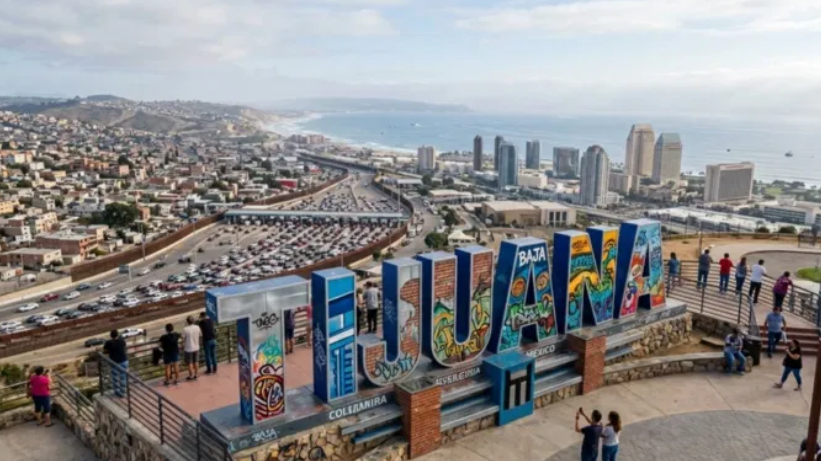
Tijuana, Baja California: The Border of Movement
Because of its geographic proximity to the fault, Tijuana is one of the cities located within its “zone of influence.” Its high population density makes it particularly vulnerable to a possible major earthquake. Although it is not located directly on the main fault, tectonic energy moving southward through secondary faults keeps the city under constant seismic alert. Its dynamic lifestyle and urban growth take place in the shadow of this geological giant.
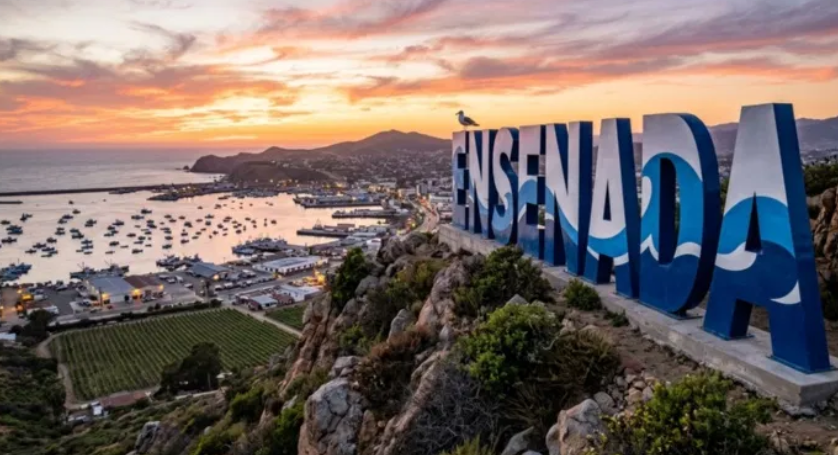
Ensenada, Baja California: Where the Pacific Trembles
This port city, famous for its natural beauty, also experiences the effects of nearby tectonic activity. It is located in a seismically active region, where the influence of the fault can be seen in the configuration of the coastal landscape. Its location makes it an important point for understanding the interaction between marine processes and movements of the Earth’s crust, always under the influence of the San Andreas system.
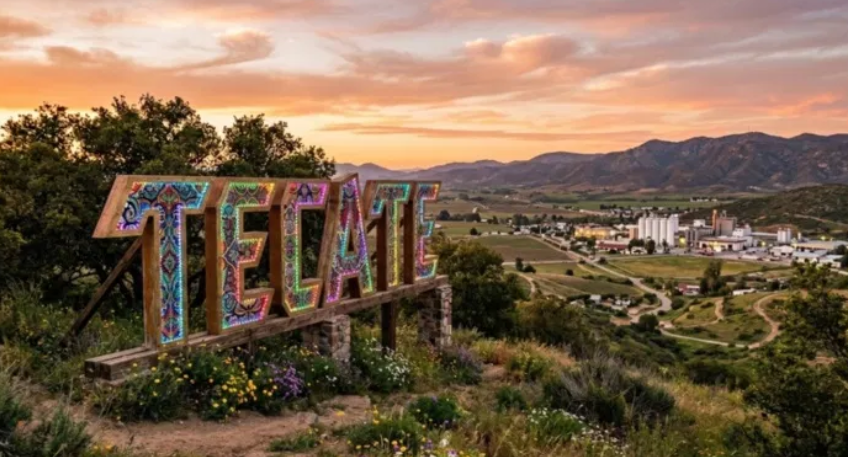
Tecate, Baja California: The Valley of Influence
This city joins the list of municipalities in Baja California located within the zone of influence of the complex San Andreas tectonic system. Its proximity to the Laguna Salada Fault, which is part of the same system, exposes it to the seismic activity that characterizes the region, serving as another reminder that geology does not recognize borders.
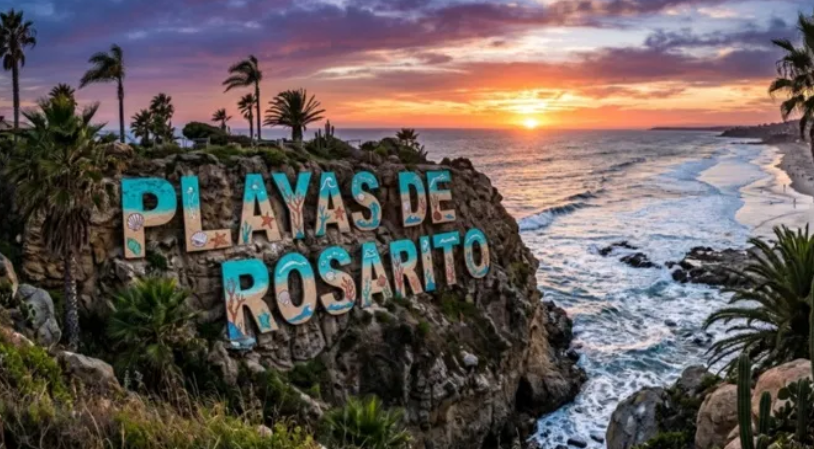
Playas de Rosarito, Baja California: The Coast on Alert
Playas de Rosarito, another coastal destination in the region, is exposed to seismic activity associated with the fault system. Its coastal location and growing urban development place it on Baja California’s seismic risk map. The energy of the fault, which extends southward, can be felt in this city that combines tourism with a highly active geological environment.
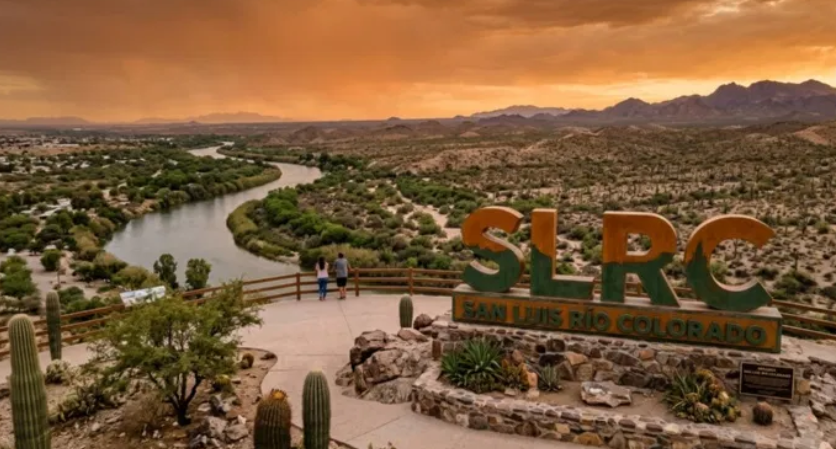
San Luis Río Colorado, Sonora: The Silent Extension
Although it is not located directly on the main fault, San Luis Río Colorado was strongly affected by the 2010 Mexicali earthquake. Its location on the outskirts of the zone of influence places it within the seismic risk area associated with the San Andreas system, demonstrating that the effects of earthquakes can travel considerable distances and be clearly felt throughout the region.
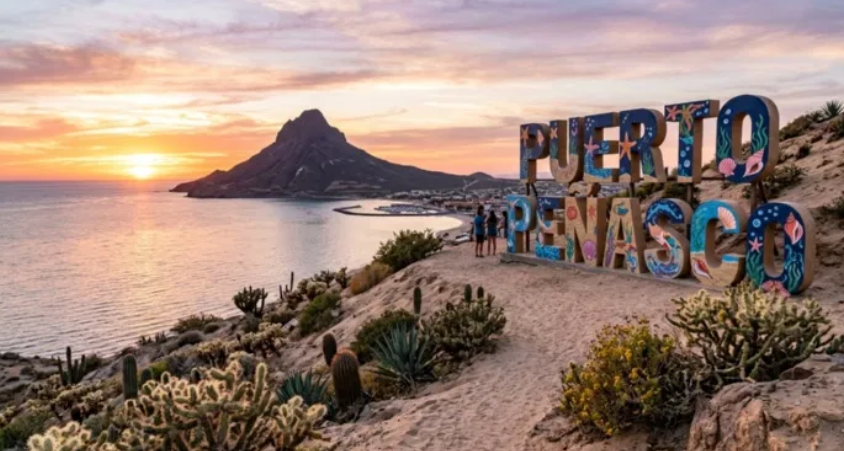
Puerto Peñasco, Sonora: The Sea of Cortez and the Fault
This famous tourist destination is located in a region where the geological system associated with the fault extends toward the Sea of Cortez. Although it marks the southern limit of this list, its location places it in an area of interaction where tectonic activity has influenced the formation of the coastal landscape—a reminder of the connection between the sea and the land beneath our feet.
Source: debate