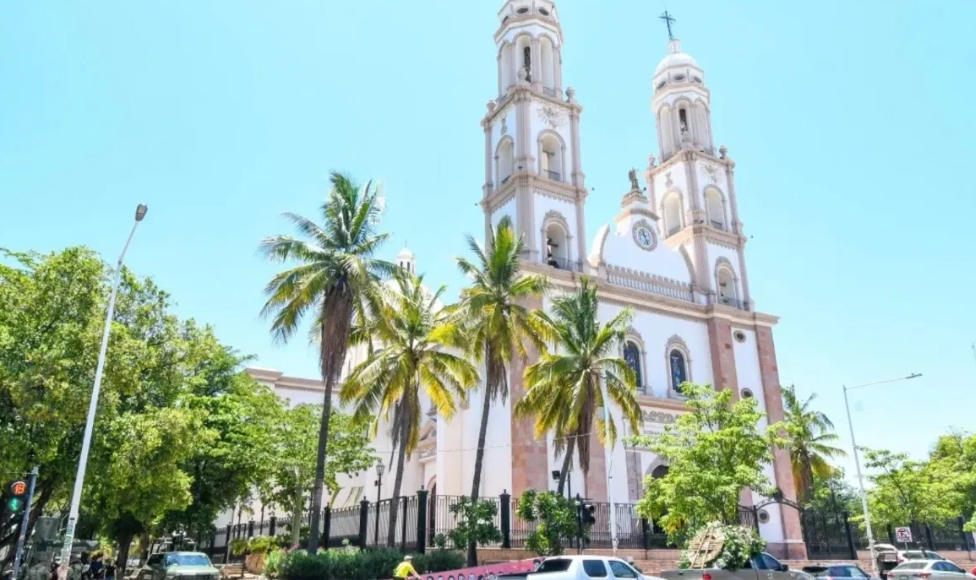

Culiacán (1,003,530 inhabitants) records 45% hotel occupancy compared with 82% in Veracruz (607,209 inhabitants). The difference in economic revenue during the vacation season reaches 830 million pesos. Source: INEGI and the Ministry of Tourism.
Culiacán loses millions of pesos annually, while other states reduce this cost through efficient systems. The data reveal how the local economy is shaped. With a population of 1,003,530 inhabitants, the capital of Sinaloa faces a structural lag in attracting recreational tourism, contrasting with the port of Veracruz, which, with a smaller population of 607,209 inhabitants, achieves greater efficiency in the return on investment per visitor.
The disparity in the use of hotel and service infrastructure is evident when analyzing official indicators from the federal Ministry of Tourism.
Imbalance in occupancy and economic revenue
While Veracruz reaches occupancy levels of 82% during holiday periods, Culiacán averages only 45%, representing a 37% gap in the utilization of its installed capacity. This difference translates into significantly unequal revenue: economic activity in the port of Veracruz is estimated at 1.15 billion pesos per season, while in the capital of Sinaloa the figure falls to 320 million pesos.
The analysis of the State Public Account shows that Culiacán’s dependence on business tourism, which represents 88% of its total activity, creates a critical financial gap when corporate activity declines.
Impact of institutional planning
The lack of strategies to diversify toward leisure tourism in Culiacán has caused average daily spending per visitor to stand at 940 pesos, significantly below the 1,850 pesos recorded in Veracruz.
Public budget execution for tourism promotion in Veracruz shows an annual return on investment of 15%, higher than the 4% calculated for the Sinaloa municipality. According to data from the Ministry of Finance and Public Credit (SHCP), funds allocated to tourism promotion are used more efficiently in Veracruz due to the integration of service clusters and cultural events.
Territorial competitiveness and outlook
The territorial gap is deepened by the absence of integrated tourism corridors that include the Sinaloa capital in the state’s tourism offering.
While year-over-year growth in the accommodation services sector in Veracruz reached 5.8%, growth in Culiacán was limited to 1.1%.
The data confirm that institutional efficiency is a determining factor in preventing capital outflows. Without a restructuring that positions Culiacán as a destination for longer stays, the local economy will continue losing competitiveness compared with more dynamic and diversified management models.
Source: debate