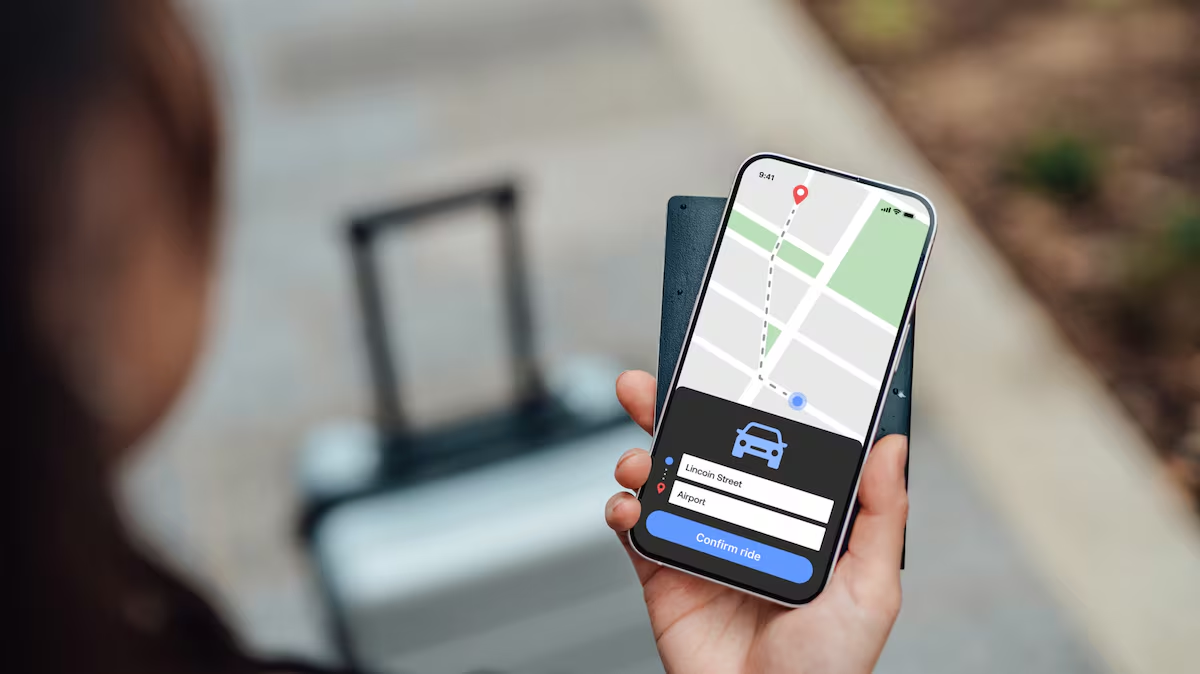

Drivers for digital platforms such as Uber, DiDi, and Bolt demonstrated Wednesday at the offices of the Subsecretariat of Transportation and Mobility.
The protest was against the fee associated with the new registration requirement, as drivers consider the costs excessive and believe they directly affect their income and family finances.
During the demonstration and subsequent dialogue with state authorities, the drivers said they are not opposed to registering or complying with the security mechanisms established by the state government, but rather to the amount they will have to pay in order to continue working.
Why Do Uber Drivers Have to Register in Durango?
The measure was announced last week and requires digital-platform drivers to complete a registration process with state authorities, with the purpose of identifying and recognizing those who operate through these applications.
Rafael Valentín Aragón, head of the agency, emphasized that the goal is to regulate the service and guarantee user safety. It also seeks to ensure that drivers operating in the state comply with legal requirements. The measure, he said, is necessary to prevent people who do not meet minimum requirements from providing the service.
The official said the registration will allow drivers to receive an identity card with a QR code, as well as a distinctive sticker and access to mechanisms such as a panic button to respond to potential emergencies.
It also includes the possibility for operators to access free training courses covering topics such as driving, stress management, customer service, human rights, and other tools related to the service.
Aragón denied that the new regulations are intended to raise revenue.
He explained that authorities have sought contact with national and international companies, but said none has shown a willingness to provide information about their drivers. Given this situation, he said, the state government decided to establish its own registration mechanism.
How Much Do Platform Drivers Have to Pay?
According to platform drivers, the scheme initially includes a fee of 40 Units of Measurement and Update (UMA), equivalent to approximately 4,700 pesos, plus 32 UMA for the annual renewal, equivalent to 3,753 pesos.
Authorities offered an agreement providing a 50% discount, meaning the initial payment would be approximately 2,400 pesos.
Another point of disagreement is the requirement to obtain a Class C driver’s license, which, even with the announced discount, would cost around 1,400 pesos.
The drivers considered it unfair that they are being charged an additional fee for registration in order to be allowed to work, since the application already charges them between 15% and 20% of their earnings. They also pointed out that the platforms already have their registration information and documentation, leaving them with little income available to support their families.
We are willing to show the documents for our vehicles; the addresses are already known by the platform, they already have that information. They just need to request it from the platform. The problem is the fee. We work day after day from 6:00 in the morning until 9:00 or 10:00 at night for 500 or 600 pesos. We have to pay the vehicle rental, we have to pay for gasoline; if the vehicle has a problem, we have to pay for it. In other words, it is unfair.
— they stated.
The drivers warned that they will continue demonstrating until authorities reconsider the measure.
Source: adn40