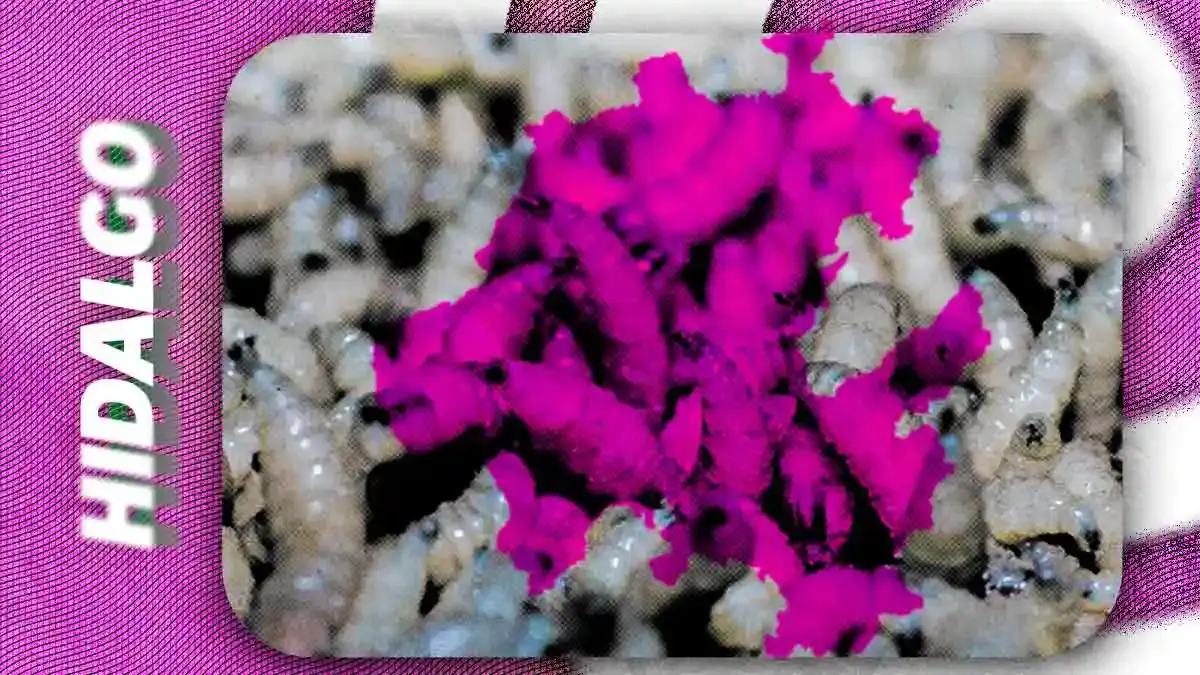

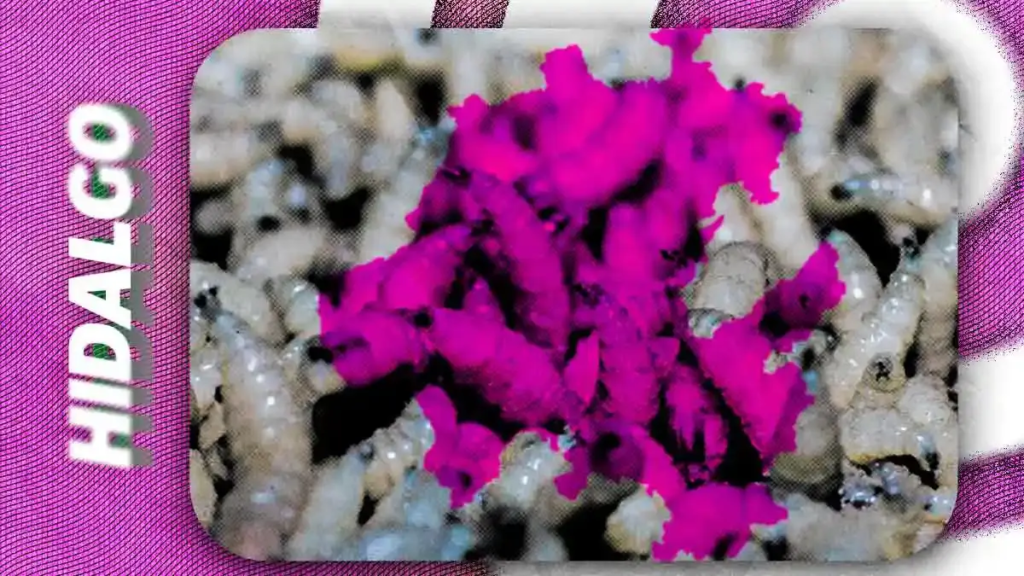
Hidalgo has accumulated 21 confirmed cases of human myiasis caused by the screwworm, according to the update for epidemiological week 33 from the General Directorate of Epidemiology.
Monthly Report Number 8 recorded 17 cases in the state as of July 31, 2026. With the subsequent update, the number increased to 21 cases, two of which were reported during the latest reporting period, from August 13 to 19.
With this figure, Hidalgo accounts for approximately 4.1 percent of the 516 confirmed cases in Mexico during 2026.
However, the state remains below Veracruz, which has accumulated 109 cases; Chiapas, with 70; Puebla, with 58; and Oaxaca, with 54.
In July, Hidalgo accounted for approximately 7 percent of the 210 municipalities nationwide where cases had been reported through epidemiological week 29. However, the federal report does not specify which municipalities in Hidalgo have been affected.
No Deaths From Myiasis Reported in Hidalgo
Despite recent reports pointing to two possible deaths from human screwworm cases in Hidalgo, the report corresponding to epidemiological week 33 does not record any deaths from this cause in the state.
Nationwide, the Ministry of Health has recorded four deaths during 2026. These occurred in Oaxaca, Querétaro, Veracruz, and Yucatán, with one death in each state.
The same report records 516 cases during 2026. Adding the 117 cases reported in 2025 brings the total for both years to 633.
Who Is at Greater Risk?
National data show that 69 percent of confirmed myiasis cases involve people living in rural areas. Meanwhile, 31 percent are concentrated in urban areas.
Likewise, people over 60 years old account for 60 percent of infections, while men represent 71 percent.
The average age of patients is 54, with cases ranging from three to 98 years old.
These proportions correspond to the national situation. The report does not provide a specific breakdown by age or sex for the 16 patients Hidalgo had recorded at the end of July.
Regarding contact with animals, 59 percent of national cases reported such a history, primarily involving dogs and cattle.
The remaining 41 percent did not report contact with animals. Therefore, preventive measures should not be limited exclusively to people who work with livestock.
How Can a Possible Infestation Be Identified?
Myiasis occurs when a fly deposits its eggs in open wounds or natural cavities of the body. These include the nose, ears, eyes, and genitals.
Even small injuries, such as those caused by insect bites, can become an entry point for larvae.
Among the most common signs of myiasis are the presence of larvae, severe pain, a sensation of movement in the wound, redness, discharge, and a foul odor. If it does not receive timely medical attention, the infestation can progress into deeper tissues.
Treatment requires the removal of the larvae, as well as cleaning and evaluation of the wound by medical personnel. When a secondary infection is present, healthcare professionals may determine whether antibiotics are necessary.
To reduce the risk, it is recommended to clean and cover any wound, maintain proper hygiene, and use barriers to prevent contact with flies. This is particularly important in rural communities and areas dedicated to livestock farming.
Source: hidalgo.periodicocentral