Defying abandonment and demolition attempts, the chapel and its font have stood the test of time, preserving their charm and offering a respite of beauty in the urban landscape
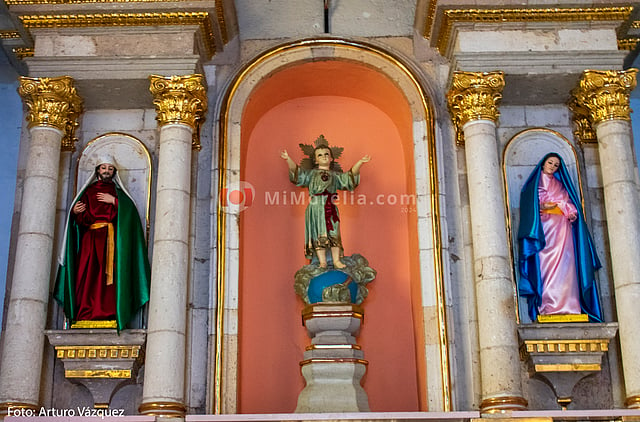
Morelia, Michoacán (MiMorelia.com).- To the west of the historic center of Morelia, where Corregidora and Nicolás Bravo streets intersect, stands the Chapel of Santo Niño. It is not the largest, nor the most ostentatious, but its size is inversely proportional to its historical and spiritual importance.
Its history begins in the 18th century, when, according to voices from the past, a divine image of the Holy Child was miraculously found, as if it were a heavenly gift for the parishioners. This miraculous discovery ignited the spark of faith in the residents of the old Zacatito neighborhood, who came together to erect a sanctuary, a refuge of hope that would last through time.

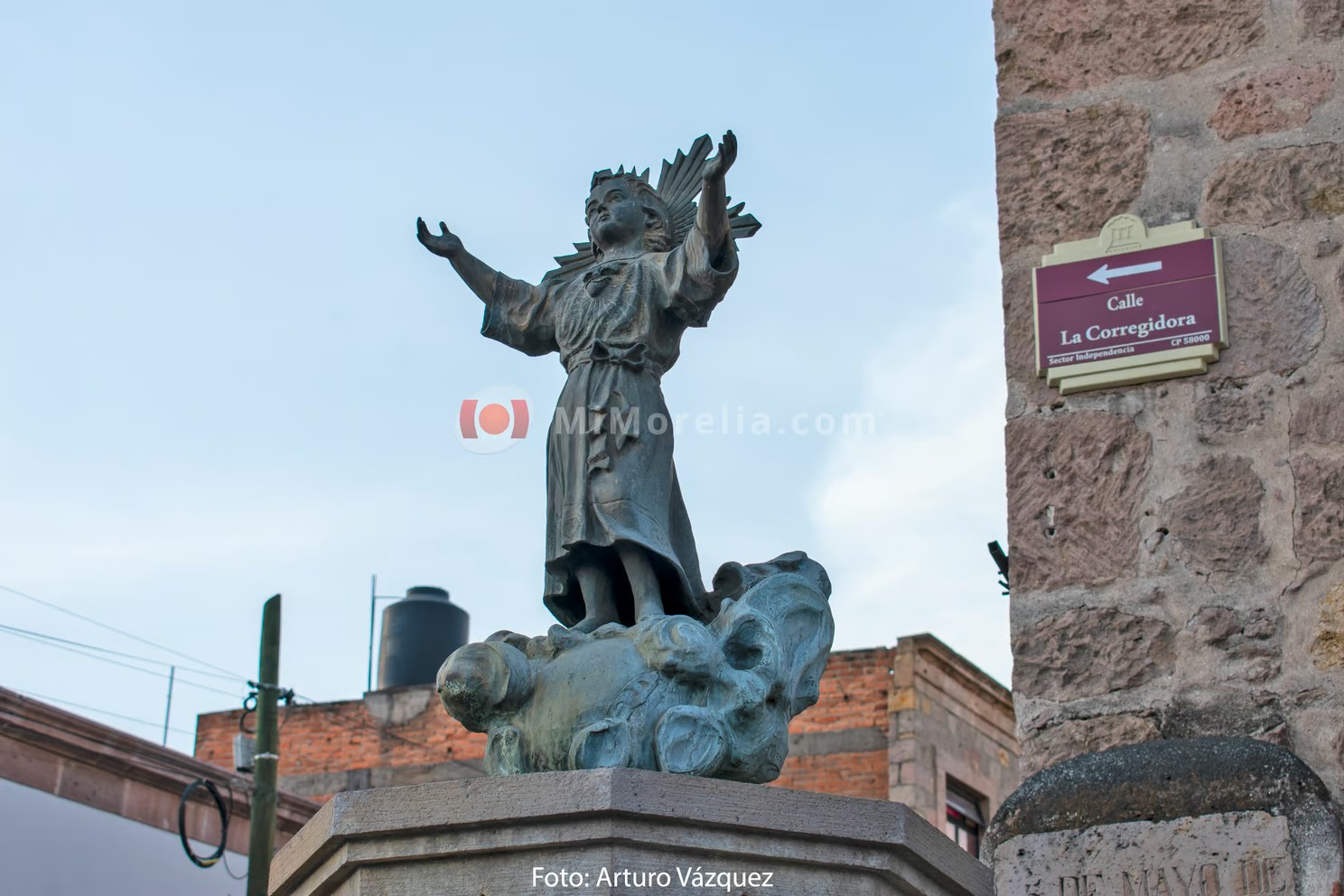
In addition to its peculiar size, the chapel is characterized by its historic water fountain with trough, built in 1883, which became the source of life for the residents of the old neighborhood.
But not everything is devotion and prayers; The chapel has witnessed turbulent times, facing threats that nearly erased its existence. One of the most famous events occurred in 1916, when anticlerical laws almost reduced it to rubble, under the pretext of its dilapidated state. Fortunately the authorities did not achieve their objective and the chapel managed to remain standing.
In the midst of the political upheavals of those years, the residents of the neighborhood say that the venerated image of the Santo Niño was entrusted to a family, who, after the restoration of the chapel, refused to return it, so a return had to be carried out. replica.
By 1985, the fountain lay forgotten, its spout broken, its water box fractured, and sadly, its trough became a garbage dump, leaving only the shadow of its former purpose. But, even so, the watering trough of the Santo Niño font is one of the last vestiges of a time when it quenched the thirst of beasts of burden.
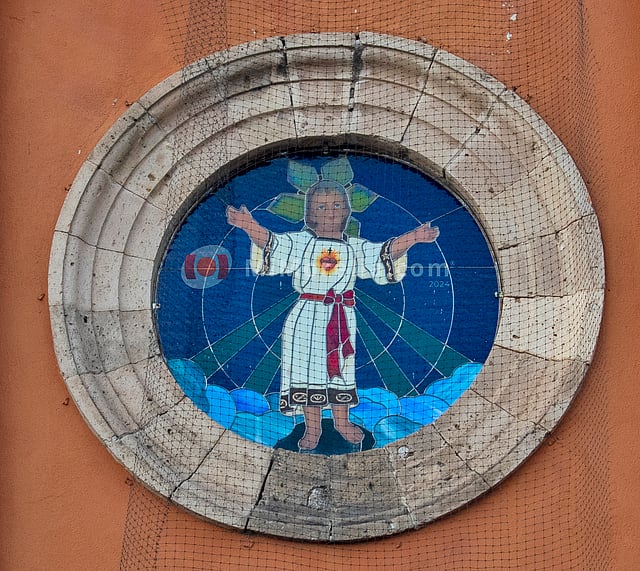
Currently, the façade of the baroque-style chapel with eclectic influence is made up of two bodies: the first stands out for the semicircular arch that serves as the entrance; The second stands out for its circular window with the image of the sacred Child.
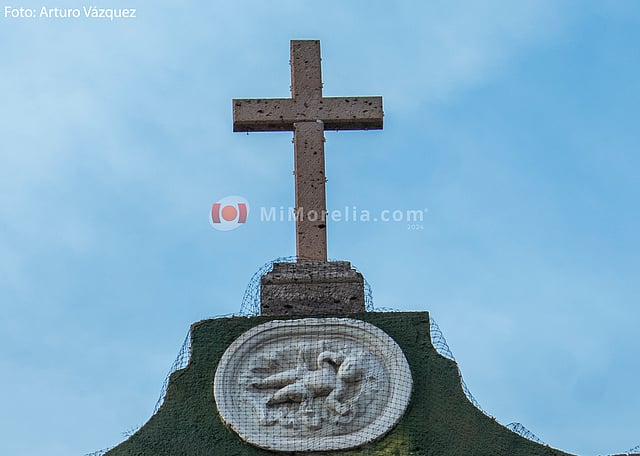
The octagonal fountain, restored over time, now stands proudly on one side of the façade, its water box is higher than a few years ago, and its top is crowned with a sculpture of the Santo Niño, the work of Luis Retana, that watches from above.
Defying abandonment and attempted demolition, the chapel and its font have stood the test of time, preserving their charm and offering a respite of beauty in the urban landscape.
Compared in size to the Capilla del Prendimiento, the Capilla del Santo Niño is an emblem of Morelia’s cultural and spiritual identity that has remained steadfast, an unwavering sentinel in history, an almost poetic reminder that even the modest and tiny can resonate. with great monumental force throughout history.
Source: mimorelia