
The fields of the coast of Chiapas are witnesses of intense agricultural activity that is intertwined with a rich cultural tradition. | Jose Luis Castillejos

The fields of the coast of Chiapas bear witness to the agricultural fervor: ataulfo mangoes and future rambutans dye the perpetual greens yellow and red, while the coffee and banana plantations climb in meticulous rows until they are lost from sight under the shadow of the Tacaná volcano. This sleeping giant, lord of the heights, tirelessly watches over the work and days of its inhabitants.
In these towns, whose rhythm of life is in time with the sun and sudden rains, gastronomy is a daily feast. I’ve tried robust, comforting pozol, deep, dark chocolate, freshly baked breads in Tuxtla Chico, tamales wrapped in leaves that whisper secrets in your ear.
As the day declines, the sun slowly sinks into the horizon, dyeing the sky over the southern border of Chiapas with oranges and violets. The fall of the afternoon brings with it a change in the atmosphere; The streets are filled with the laughter of children playing among the fruit stalls and vendors advertising ice cream, atole champurrado, bread and other products reminiscent of older times.

The air is filled with the aromas of jasmine and wood smoke, while families gather around stoves to prepare dinner. The elderly, in their chairs in front of the houses, share stories from the past, from times when coffee and bananas were not just crops, but part of the very identity of this region. Among his words, float legends of spirits and enchanted beings that supposedly inhabit the nearby jungles and mountains, custodians of nature and its secrets.
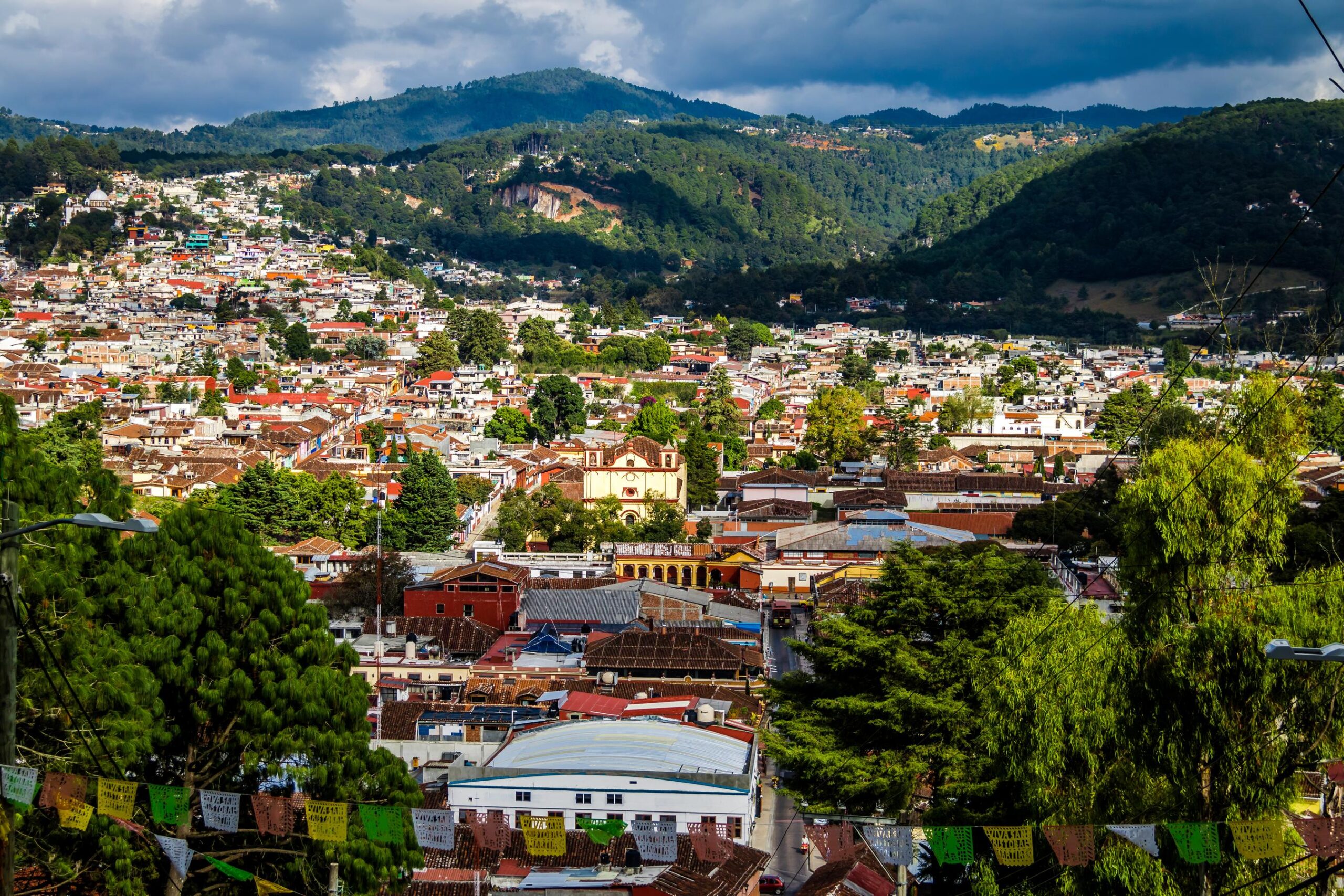
Meanwhile, young people gather in the squares of each town such as Tapachula, Unión Juárez, Cacahoatán, Suchiate, Tuxtla Chico or Metapa, mixing modern music with the traditional marimba, creating a sound bridge between generations. It is not uncommon to see a dancer who, spontaneously, begins to move to the rhythm of the music. The everyday suit has the colors of the countryside and the sounds of the sunset.
Life here, although marked by hard work in the fields and inclement weather, carries with it an infectious serenity. It is a world where every element, from the volcano to the smallest stream, from the sweetest mango to the lightest breeze, weaves a spiritual connection.
When night finally arrives, the sky clears and the stars appear in multitudes, as if each light were an echo of the lives that pulsate below. In these moments, under the vast starry dome, the inhabitants of these border towns feel part of something larger, a map of stories, dreams and traditions that extends far beyond the mountains and fields that surround them.
Thus, in an environment of rich natural and cultural beauty, the days follow one another, each one narrating the living chronicle of a robust land and its loving people, a place where the past and the present meet and dialogue under the immutable gaze of the Tacaná.
Source: lasillarota