
In addition, the municipality has a deficit of 10 trees per hectare, according to data from the Institute of Ecology and Climate Change.
The trees in the municipality of Querétaro have an average health of 49%; Furthermore, the demarcation has an approximate density of 42.7 trees per hectare in its urban area, which represents a deficit of 10 trees with respect to the baseline, which marks a minimum density of 52.3 trees. The above, according to information from the Institute of Ecology and Climate Change of the capital.
According to the agency, the Josefa Vergara delegation is where the trees are in the worst condition, with an average health of 43.7%. On the other hand, Felipe Carrillo is where they are in the best state with an average of 59.9%, followed by Villa Cayetano Rubio with 53.5%, Félix Osores, Centro Historico and Epigmenio González with 46.9% and Santa Rosa Jáuregui with 45.6%.
ADVERTISING
Josefa Vergara is also the delegation with the fewest trees, with a total of 76,732 specimens. On the other hand, the one with the largest trees is Santa Rosa Jáuregui with 183 thousand 605 specimens, followed by Epigmenio González with 123 thousand 652, Félix Osores Sotomayor with 119 thousand 5, Felipe Carrillo Puerto with 108 thousand 577, Villa Cayetano Rubio with 94 thousand 658 and Historic Center with 84 thousand 802.
Regarding the number of trees, the institute pointed out that in the urban area of Querétaro, made up of 18,500 hectares, there are around 791,058 specimens. However, international standards referred to by the authority establish that the demarcation should have at least 967,550 specimens, which means that the capital has a deficit of 177,801 trees.
The inventory of these trees was carried out in 2022, for which the agency indicated that there is a margin of error of 6% with respect to the current tree mass. This means that the most recent figure would be between 745 thousand and 836 thousand trees.
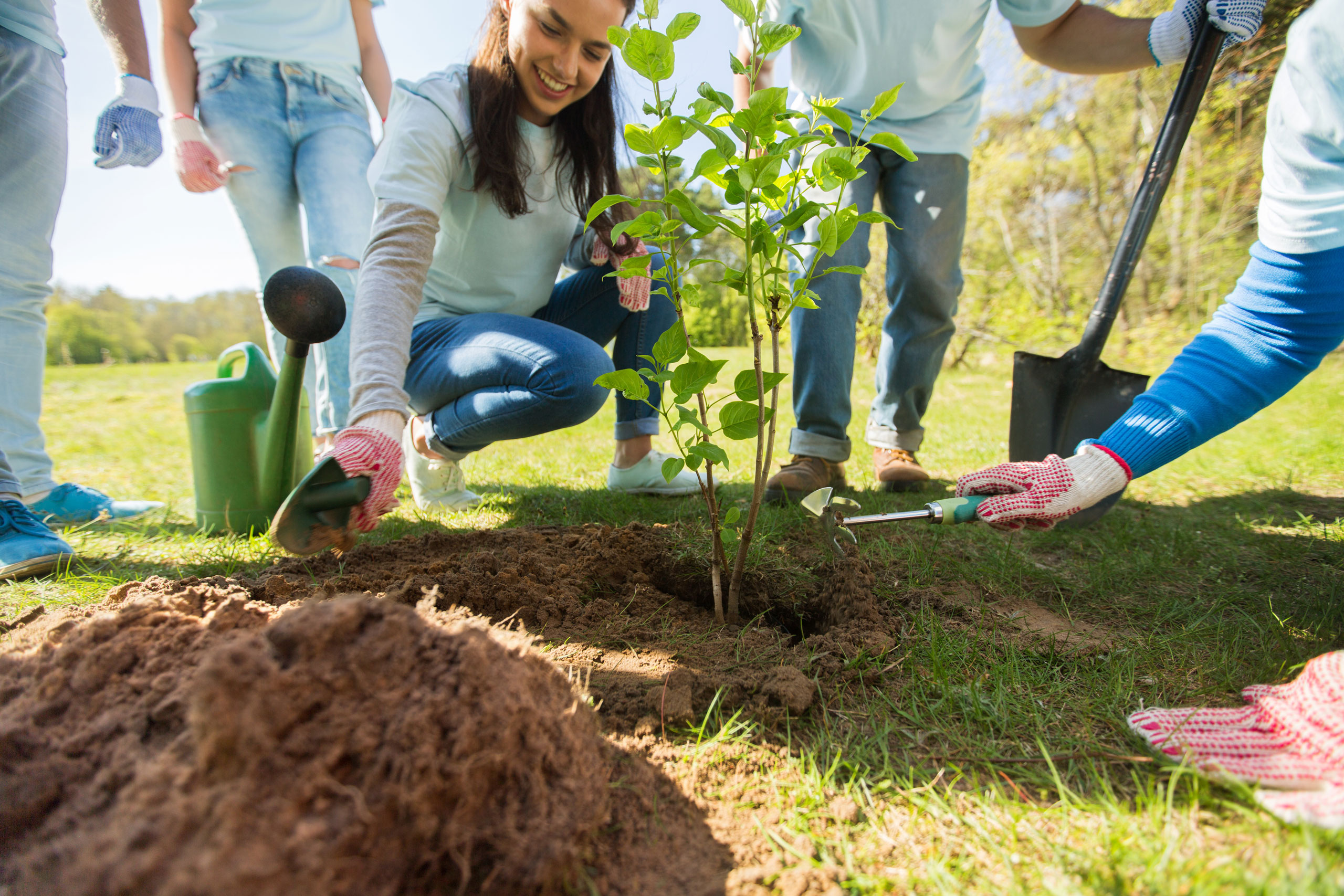
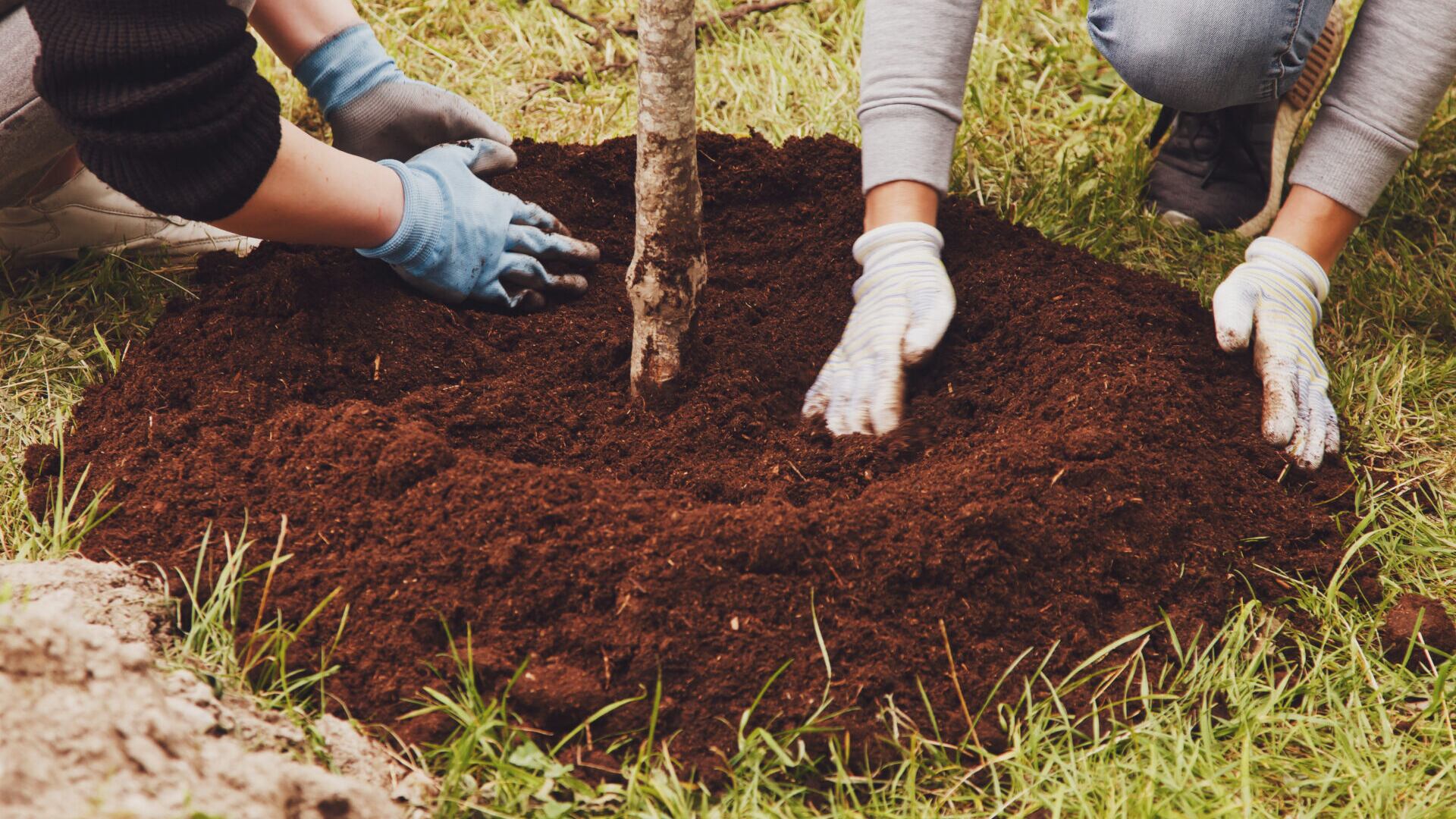
The institute indicated that for the remaining four months of the administration, the donation and planting of at least 5 thousand specimens is contemplated. He clarified that replacing the missing trees is not a short-term goal, “due to the logistical complexity of their planting and maintenance, as well as the low availability of specimens of suitable species in nurseries.”
It is worth mentioning that despite the deficit of trees, the municipality has a little more than double the number recommended by the World Health Organization. The international organization points out that at least one tree is required for every three inhabitants, while the capital of Querétaro is home to 2.26 specimens for every three inhabitants.
Source: publimetro