
Lake Chapala is the main source of water supply for the ZMG, and faces serious drought problems

Lake Chapala is the largest lake in Mexico, and of course in Jalisco, where it is located. It is the main source of water supply for the municipalities of the Guadalajara Metropolitan Area (ZMG), and sadly, it is not going through one of its best moments.
This body of water joins the hundreds of lakes and dams in Mexico that have been affected by the drought that has occurred in the country, as it is currently at 45% of its capacity, which is a great concern for authorities and residents of the metropolis, on the eve of the start of the hot season.
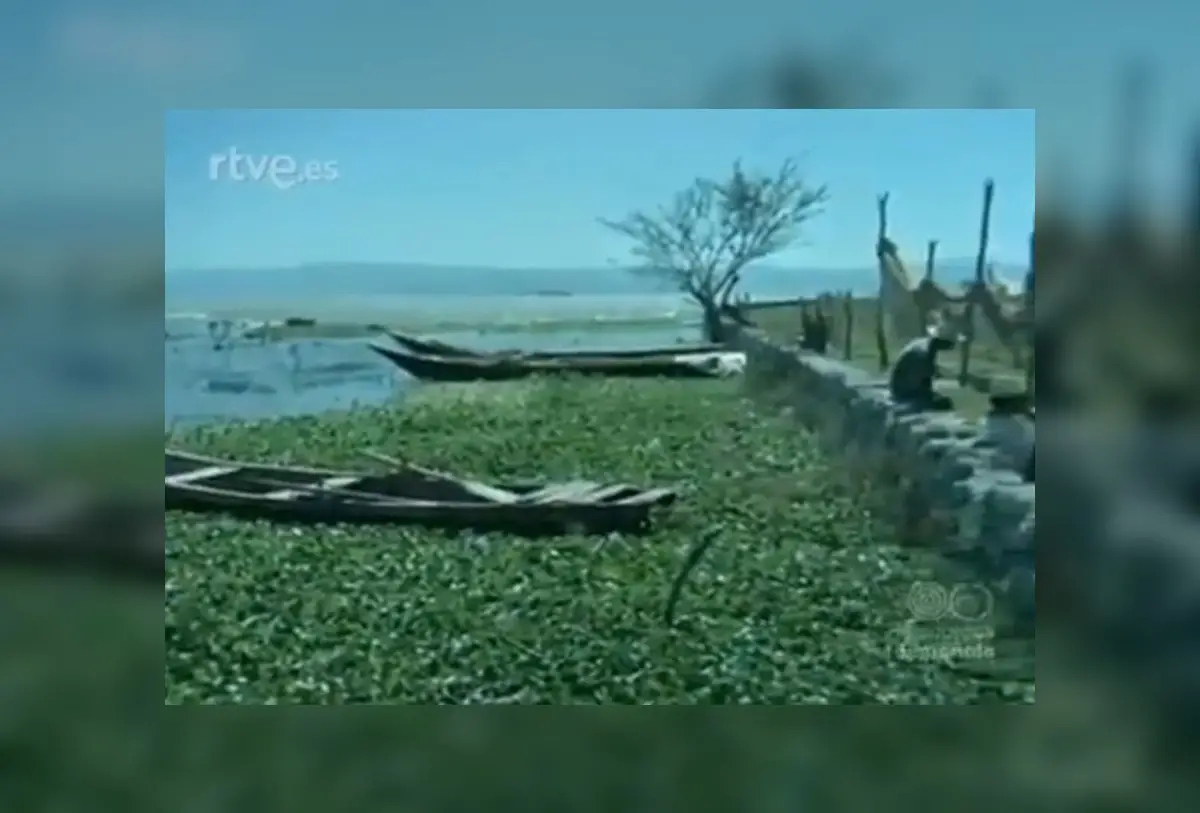
Boatmen in the area are concerned about what is happening in what was once one of the most important tourist sites in the state, and it is no longer as easy to take trips on the water as before, as the level is so low that the boats get stuck on the ground, even meters from the shore of the lake.
The situation is aggravated by the experts’ forecasts, which indicate that heat waves will be much more intense this 2024, compared to those recorded in 2023, when there were record temperatures in the state.
As if that were not enough, the rain forecast is not positive either, as the storm is not expected to be as heavy, which worsens the outlook for the people of Jalisco, and even the entire country.
Before and after Lake Chapala
The situation at the Lake was not always like this. A few years ago, thousands of people from Jalisco visited it, especially on Sundays, to get away from the routine a little, and take advantage of its proximity (it is approximately one hour from downtown Guadalajara).
In addition, it supported economic activities such as fishing and agriculture in the surrounding region. It was a crucial source of livelihood for local communities and contributed significantly to the regional economy.
It also housed rich biodiversity, including different species of birds, fish and other forms of aquatic life.
However, the landscape has now changed dramatically and little remains of what once attracted thousands of people. Water shortages and other environmental problems have had a significant impact, not only on the supply of vital liquid, but also on the communities that depend on it for their livelihood.
The before and after of Lake Chapala reflect a worrying transformation of a vital natural resource that was once prosperous and abundant, but now faces serious challenges that require urgent attention and action for its conservation and recovery.
Source: tribunaldelabahia