
More than 98 million Mexicans are expected to have the opportunity to vote on June 2
:quality(85)/cloudfront-us-east-1.images.arcpublishing.com/infobae/NYIGQJV2PNBWRBD2RP4DVTGW44.jpeg)
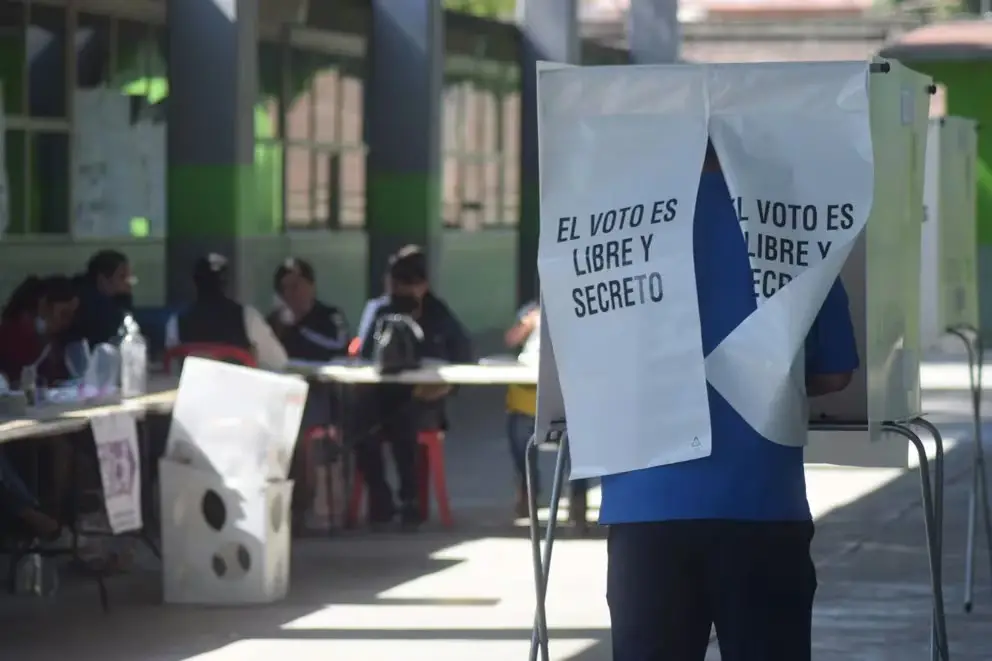
On June 2, 2024, Mexico will experience one of the most significant electoral days in its recent history. More than 98 million 329 thousand people registered on the nominal list of the National Electoral Institute (INE) will go to the polls to elect more than 20 thousand elected positions.
Among the positions to be elected are nine governors, 128 senators, 500 deputies and, of course, the person who will occupy the presidential chair until 2030.
Mexican electoral regulations establish that foreigners cannot have an INE identification, nor be registered in the electoral roll or the nominal list, which prevents them from participating in the election of governors and representatives at both the federal and local levels.
Can naturalized Mexicans vote?
The only exception to this rule is for those foreigners who have acquired Mexican nationality by naturalization, a process managed by the Ministry of Foreign Affairs.
According to the 2020 National Population Census, 569,746 people in Mexico have obtained Mexican nationality by naturalization, which represents 48.8% of the total number of residents not born in the country. These naturalized citizens have the right to participate in elections and cast their vote, fully integrating into the country’s democratic process.
However, despite having the right to vote, Mexicans by naturalization and those with dual nationality do not enjoy all the political rights that Mexicans by birth with a single nationality have. For example, there are certain positions that are forbidden to them, such as the leadership of some autonomous bodies and the Presidency of the Republic, which can only be occupied by Mexicans by birth without dual nationality.
As the election date approaches, it is important to remember the diversity and complexities of the Mexican population, where citizen participation is crucial to strengthening democracy.
The day of June 2 will not only decide the next leaders and representatives of Mexico, but will also be a reflection of the commitment of citizens to the democratic exercise. In a country with a rich cultural diversity and a growing population of naturalized citizens, inclusion and equality in political rights remain central issues for the democratic and social development of the nation.
The 2024 elections represent a crucial moment for Mexico, not only because of the magnitude of the positions to be elected, but also because of the participation of a diverse citizenry that seeks to be active and overcome abstentionism.
Source: infobae