
Inegi detailed that in 2023 Sinaloa registered a decrease of 7.7% annually; the State of Mexico of -2.5%; Tabasco with -2.1% and Zacatecas with -0.2%.
Campeche, Quintana Roo, Querétaro, Yucatán and Oaxaca are the entities where informality grew the most in 2023, according to data from the National Institute of Statistics and Geography (Inegi). While in Sinaloa, the State of Mexico, Tabasco and Zacatecas this index reported declines.
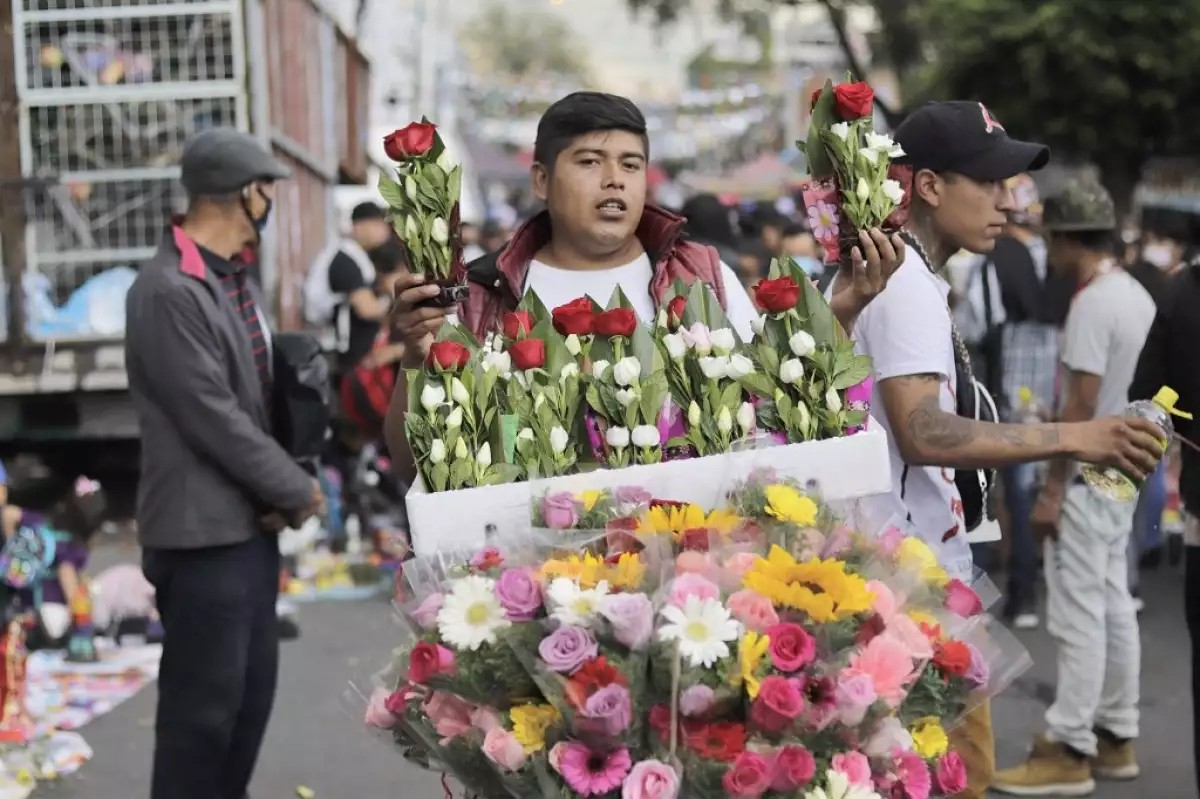
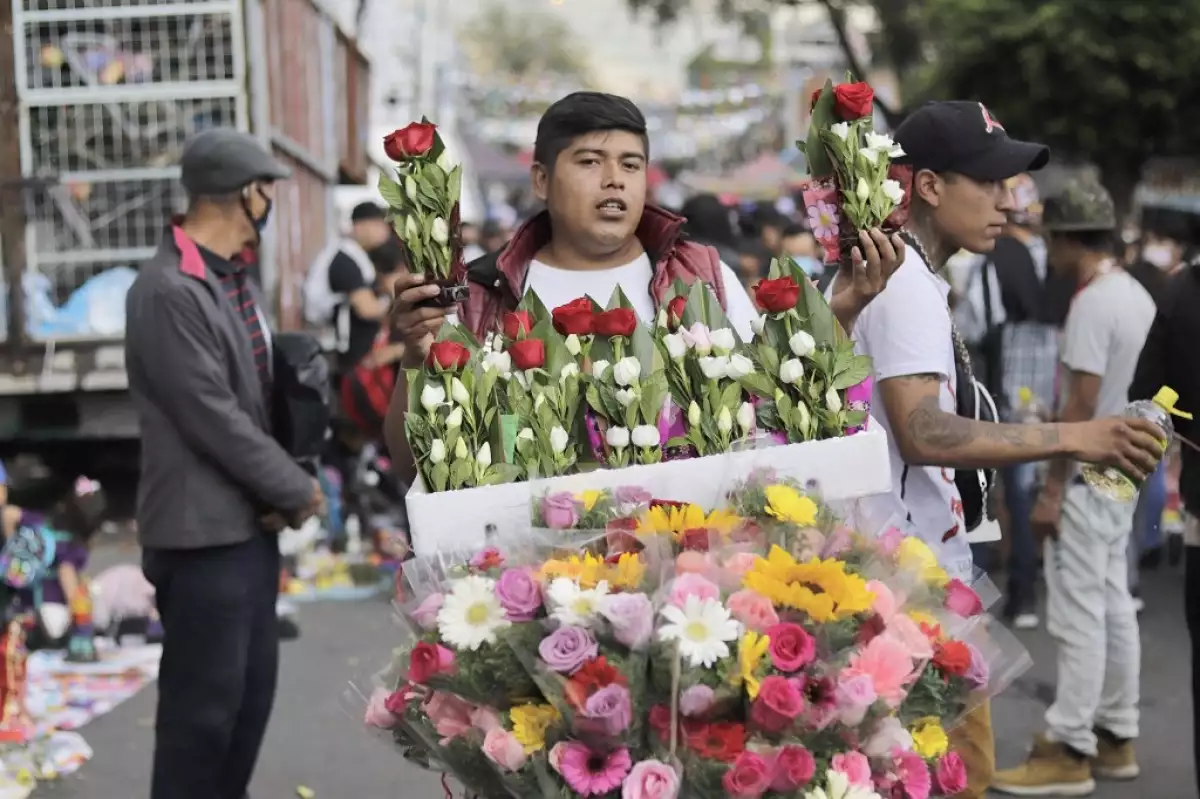
Inegi detailed that Mexico’s informal economy is made up of the informal sector – which includes all economic activities carried out by companies without legal personality owned by households – and other forms of informality – those in which workers who work in formal economic units do not have social security or social benefits, such as vacations, Christmas bonuses, severance pay, among others.
According to the Quarterly Informal Economy Measurements by State, during the fourth quarter of 2023, the Gross Added Value (GVA) of the informal economy reached 6.045 trillion pesos at 2018 prices, which represented a real increase of 4.1% at an annual rate.
By state, the greatest growth was observed in Campeche, with 36.8%; Quintana Roo, 14.1%; Querétaro, 13%; Yucatán, 11.5%, Oaxaca, with 10.2 percent, and Chiapas with 9.5%.
Meanwhile, Sinaloa registered a 7.7% annual decrease; the State of Mexico of -2.5%; Tabasco with -2.1% and Zacatecas with -0.2%.
In this same period, the entities that saw the least growth in informality were Mexico City, with an increase of just 0.3%; Tamaulipas with 0.7%; Hidalgo 1.3% and San Luis Potosi with 2.3%.

Inegi highlighted that paid jobs in the informal economy totaled 17.2 million and represented an increase of 3% annually in the fourth quarter of 2023. Positive variations were highlighted in Campeche, Durango and Querétaro.
Salaries at current prices registered an increase of 8.8% annually in the October-December quarter of 2023. The entities where they grew the most were: Campeche, Quintana Roo, Oaxaca and Michoacán de Ocampo.
Source: expansion