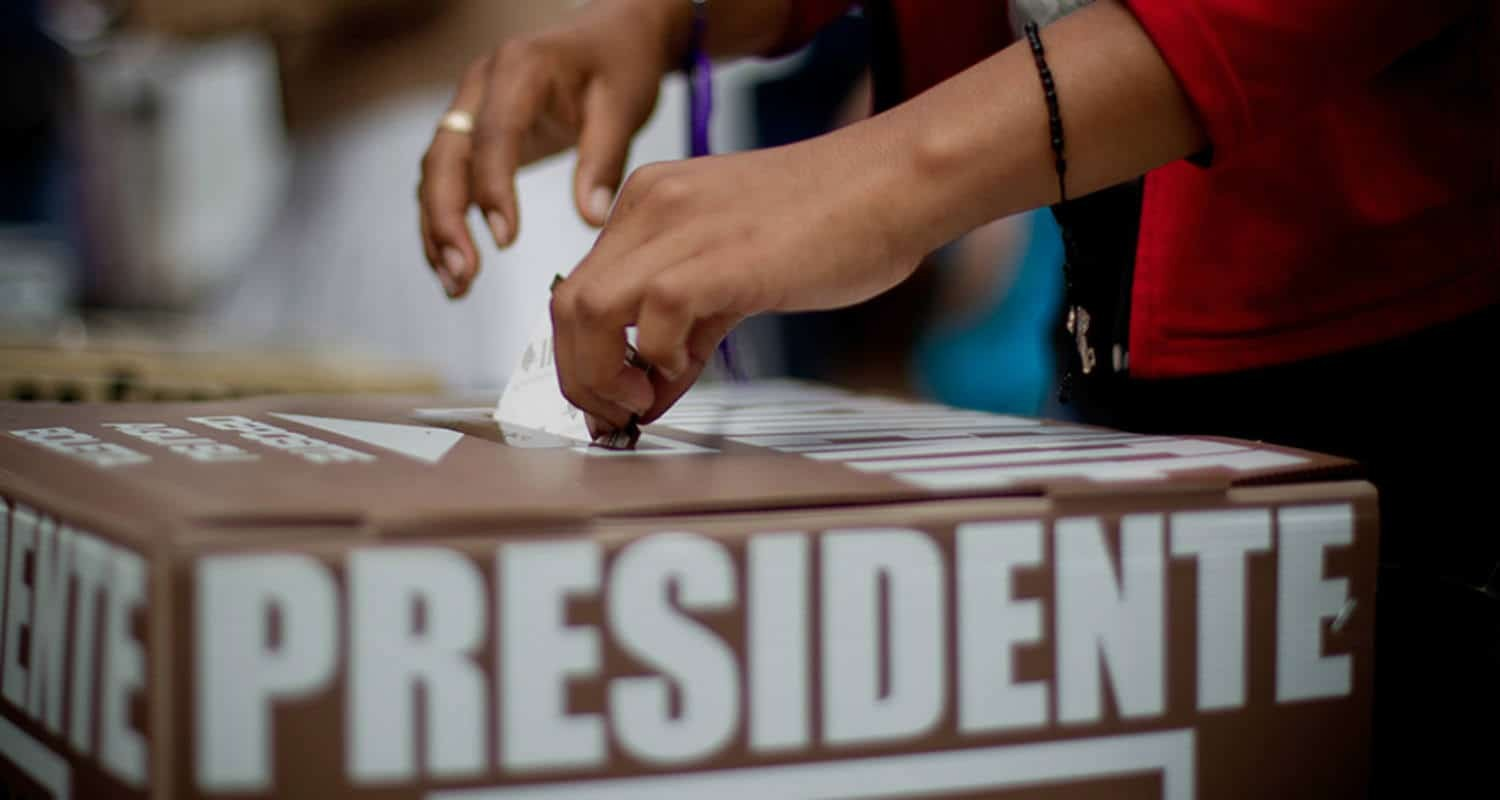

The June 2 elections in Mexico mark a crucial moment in the country’s electoral context, where new governors are elected in nine key states.
In the context of an election year in Mexico, where new governors will be elected in nine key states and the presidential campaign will take place, the June 2 elections represent a crucial milestone in national politics.
With the possibility of significant changes in the party affiliation of these states, a reconfiguration of the country’s political map is expected.
During this election day, the citizens of Chiapas, Mexico City, Guanajuato, Jalisco, Morelos, Puebla, Tabasco, Veracruz and Yucatán decided who will be their next state leaders.
With the power of their vote, they directly influenced the distribution of political power and the colors that will represent each federal entity.
Who won in the states?
After a disputed election day in Mexico on June 2, the results have begun to emerge, offering an initial view of how the country’s political map looks.
Here are the preliminary results, subject to change as the vote count is completed and possible challenges are resolved:
Chiapas, a Morena state, profiled Eduardo Ramírez, candidate of the coalition “Let’s Keep Making History” (Morena-PT and PVEM).
Mexico City, the capital of the country, where Morena was present, profiled Clara Brugada, representing “Let’s Keep Making History” (Morena, PT and PVEM).
Guanajuato, a National Action state, profiled Libia Dennise García, of the coalition “Fuerza y Corazón” (PAN-PRI and PRD).
Jalisco, a Citizen Movement state, profiled Pablo Lemus, of the same party.
Morelos, a state of the Social Encounter Party, profiled Margarita González, of “Let’s Keep Making History” (Morena, PT and PVEM).
Puebla, a state of Morena, profiled Alejandro Armenta, of the coalition “Let’s Keep Making History” (Morena, PT and PVEM).
Tabasco, a state of Morena, profiled Javier May, of the coalition
“Let’s Keep Making History” (Morena, PT and PVEM).
Veracruz, a state of Morena, profiled Rocio Nahle, of the coalition “Let’s Keep Making History” (Morena, PT and PVEM).
Yucatán, a state of National Action, profiled Joaquín Díaz Mena, of the coalition “Let’s Keep Making History” (Morena, PT and PVEM).
These results reflect the democratic will of Mexican citizens and will have a significant impact on the political landscape of the country in the coming years.
What color did the states turn out?
The distribution of colors on Mexico’s political map reflects the reality that emerged from this election day.
What color was it BEFORE the 2024 elections?
In the political history of Mexico in recent decades, changes in state power have been a reflection not only of electoral dynamics, but also of the social and economic transformations that have marked the lives of its inhabitants.
Through a detailed look at the most important states in the country due to the electoral process they face, and the parties that have governed them since 2000, we can better understand the political evolution of Mexico.
Chiapas
Chiapas, a key state in the current elections, has witnessed the alternation of several parties in power. Since 2000, it has passed through the hands of the PRD, the Green Ecologist Party of Mexico, the PRI and is currently under the administration of Morena.
Mexico City
The capital of the country, the epicenter of national politics, has historically been a bastion of the left. The PRD and now Morena have maintained political control of the city, with emblematic leaders such as Andrés Manuel López Obrador and Claudia Sheinbaum.
Guanajuato
Guanajuato, known for its conservative tradition, has been dominated by the PAN in recent decades. Figures such as Vicente Fox and Diego Sinhue Rodríguez Vallejo have led the state, maintaining a political line in line with market economic policies.
Jalisco
Jalisco, a state of great economic and cultural importance, has been dominated by the PAN, the PRI and now the Citizen Movement. Leaderships such as those of Aristóteles Sandoval and Enrique Alfaro reflect the political diversity of the state.
Morelos
Morelos, land of Emiliano Zapata, has experienced an alternation between the PAN, the PRD, the Social Encounter Party and currently Morena.
Puebla
Puebla, a state with a rich history and economic relevance, has been governed by the PAN, the PRI and is currently under the government of Morena. Leaders such as Rafael Moreno Valle and Miguel Barbosa Huerta have been in charge of Puebla politics.
Tabasco
Tabasco, land of oil, has been governed by the PRI and now by Morena. Figures such as Andrés Granier Melo and Adán Augusto López Hernández have faced significant economic and social challenges during their terms.
Veracruz
Veracruz, a state with great cultural diversity, has been dominated by the PRI, the PAN and now Morena. Leaders such as Javier Duarte and Cuitláhuac García have faced problems of corruption and violence during their administrations.
Yucatán
Yucatán, with its rich history and culture, has gone through the dominance of the PRI, the PAN and now Morena. Leaders such as Mauricio Vila were in charge of state administration.
Source: milenio