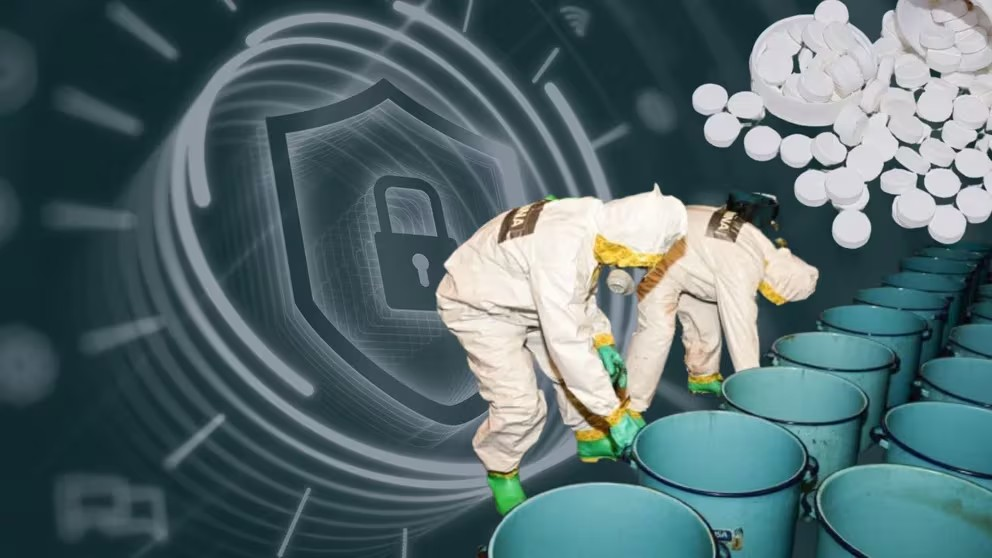

Using specialized browsers, cryptocurrencies and covert shipping techniques, criminal groups such as the Sinaloa Cartel or the CJNG manage to ensure the constant flow of inputs for the production of synthetic drugs
:quality(85)/cloudfront-us-east-1.images.arcpublishing.com/infobae/2UGBQ6ZQJFASLBNEFQW23RWXQY.jpg)
The dark web, the hidden and anonymous part of the internet, has become a crucial component of the international trade in illicit goods. In this intricate world, where the identities of buyers and sellers remain anonymous, everything from drugs and weapons to highly regulated chemicals are trafficked. This includes the chemical precursors essential for the production of fentanyl and other synthetic drugs, which are frequently acquired by Mexican cartels such as the Sinaloa Cartel and the Jalisco Nueva Generación Cartel (CJNG).
According to the publication “The Synthetic Silk Road: Tracing China’s Grey-Market Precursor Chemical Trade,” by InSight Crime, Mexican cartels take advantage of the dark web to acquire their chemical precursors from China, where their main suppliers are.
In their investigation, InSight Crime journalists reveal how sellers and buyers take advantage of anonymity and covert shipping techniques to evade strict international regulations and ensure that substances reach their final destinations undetected.
How do they use the dark web?
The expansion of the synthetic drug market finds in the dark web a suitable refuge to operate outside the law. Through specialized browsers, cryptocurrencies and anonymity strategies, drug traffickers have created an ecosystem that facilitates the safe and effective marketing of these products, with global implications that increase the complexity of the fight against drug trafficking.
The dark web is a network within the internet accessible only through specialized software and not indexed by conventional search engines, which increases its level of anonymity. To access the dark web, drug traffickers use browsers such as Tor, which encrypt traffic and hide the identity and location of the user. This system allows anonymous and secure communication, essential for carrying out illegal transactions.
Once inside the dark web, users use specific search terms and CAS (Chemical Abstract Service) numbers to locate specific chemicals. These unique identifiers make it easier to find the exact product and reduce the likelihood of being detected by authorities when using other types of words.
Dark web platforms such as Nemesis, Tor2Door, and RoyalMarket operate in a similar way to conventional online marketplaces such as Amazon or eBay. On these platforms, sellers list their products with detailed descriptions, photos, and technical specifications.
Buyers can review reviews and ratings from other users, which helps them evaluate the seller’s trustworthiness and product quality before making a purchase. This structure allows buyers to make informed decisions and reduces the risk of scams.
Communication between Chinese buyers and sellers is carried out through encrypted emails and secure messaging applications such as Telegram, WhatsApp, or Wickr. These tools protect the identity and privacy of both parties. Sellers frequently use fake identities, adopting Latin names such as “Ana Sofia” or “Daisey” to build trust among Latin American buyers.
:quality(85)/cloudfront-us-east-1.images.arcpublishing.com/infobae/WNVSYOODF5CLVB3ZIEEDMGRBTU.jpg)
Undercover Shipping
To make payments, transactions are primarily made with cryptocurrencies such as Bitcoin, which offer anonymity and are difficult to trace. Upon selecting the desired products, the system generates a Bitcoin QR code to scan and complete the transaction, mimicking the purchasing process on standard e-commerce sites, but with an added layer of security. To circumvent strict customs regulations, sellers offer undercover shipping.
They use sophisticated packaging techniques and diversified routes, including intermediaries in less regulated countries before sending the products to their final destination, such as Mexico. This strategy maximizes the chances that the chemicals will reach their recipients without being intercepted.
One of the main strategies employed is the use of subtle packaging that disguises the products as everyday items. Thus, chemical precursors for fentanyl and other drugs can be presented as toys, cosmetics, dietary supplements or computer hardware, using special paper and insulating materials to avoid olfactory and visual detection by customs controls.
In addition, these products are often wrapped in multiple layers of plastic and paper, which not only helps protect them from possible damage during transport, but also makes them difficult to detect by X-ray scanners or trained dogs.
Another common tactic is the use of counterfeit labels on shipments, which include fabricated sender and recipient information, as well as incorrect descriptions of the contents. In many cases, these labels bear the logos of legitimate companies, providing an extra layer of credibility and minimizing suspicion during the inspection process.
To increase the odds of success, sellers disperse shipments to multiple addresses. They rent out multiple properties or use third-party addresses to receive the chemicals, so that if one address is compromised, the rest of the shipments can still reach their destination.
Products often follow indirect routes, first passing through countries with less stringent regulations before being forwarded to their final destination. For example, a shipment destined for Mexico might first transit through Guatemala, thus complicating tracking and interception by Mexican authorities.
The role of middlemen is also critical in this supply chain. Sellers work with middlemen in different countries who redistribute the chemicals internally. These middlemen can be front companies or individuals acting as transit points, ensuring that products are not held in one place for too long and reducing the risk of detection.
Shipping methods are also diversified. Products can be shipped via postal mail, private courier companies, and independent carriers operating under the radar of law enforcement.
In conversations with suppliers such as MicroDroper and TGC-RC Chemicals, it became clear that they offered these “covert shipping” capabilities as a standard option, promoting it as a premium service that guaranteed to evade customs regulations. One fentanyl producer in Culiacán revealed to InSight Crime that he used these methods to receive his supplies, renting multiple properties in Sinaloa to diversify delivery points and make it difficult for Mexican authorities.
Source: infobae