
Since the mid-2000s, Mexican cartels adopted a new tool of terror and control: narco-videos. These recordings, which initially circulated in home-made formats like VHS, depicted brutal executions, interrogations, and armed deployments.
Over time, criminal groups professionalized their propaganda and moved their content to platforms like TikTok and Instagram. There, in addition to sowing fear, they attempted to build an image as community benefactors. This strategy, similar to that of international terrorist groups, seeks to shape social and political narratives through explicit violence and calculated messages.
The first major media coup occurred in 2005 with a narco-video recorded in Acapulco, Guerrero. The recording exposed the unprecedented brutality of criminal organizations and revealed their deep connections with federal authorities. This footage, considered Mexico’s “first narco-video,” revealed both the power of the cartels and the corruption ties between organized crime and high-ranking officials in the Mexican government at the time.
The criminal propaganda that uncovered a corruption network
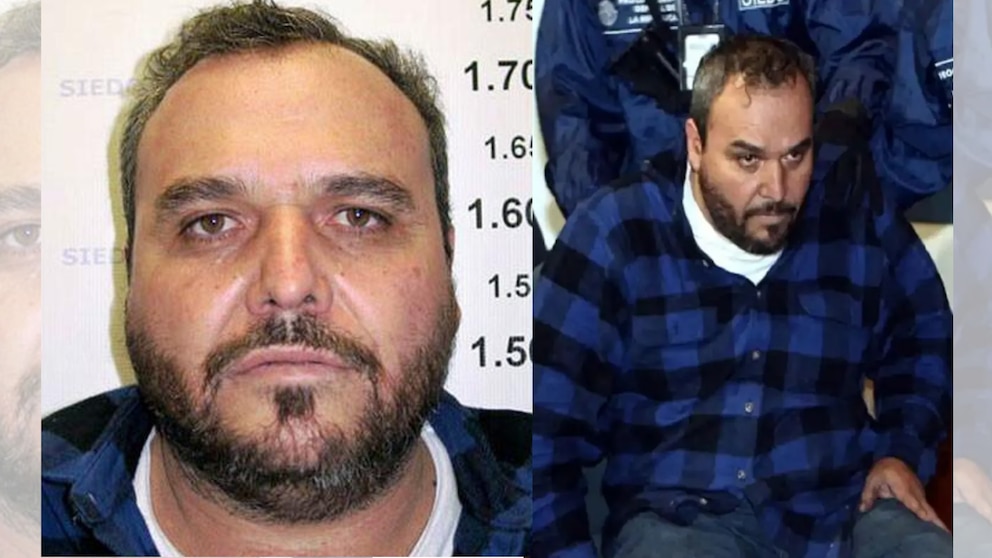
In May 2005, a video showed four men—alleged members of Los Zetas—being interrogated and subsequently executed by hitmen of Édgar Valdez Villarreal, alias “La Barbie,” a key operator of the Beltrán Leyva cartel and an ally of the Sinaloa Cartel. Although the footage was sent to the then Attorney General’s Office (PGR), authorities attempted to hide it. Months later, journalists from US media outlets such as the Kitsap Sun and The Dallas Morning News broadcast the footage in December of that year.
International pressure forced the Mexican government to acknowledge that 11 agents from the Federal Investigation Agency (AFI), under the direction of Genaro García Luna, actively collaborated with the Sinaloa Cartel. These officials handed over cartel enemies to be tortured and killed, as revealed both by the video and subsequent investigations.
Genaro García Luna: The “Two-Face” Supersecretary
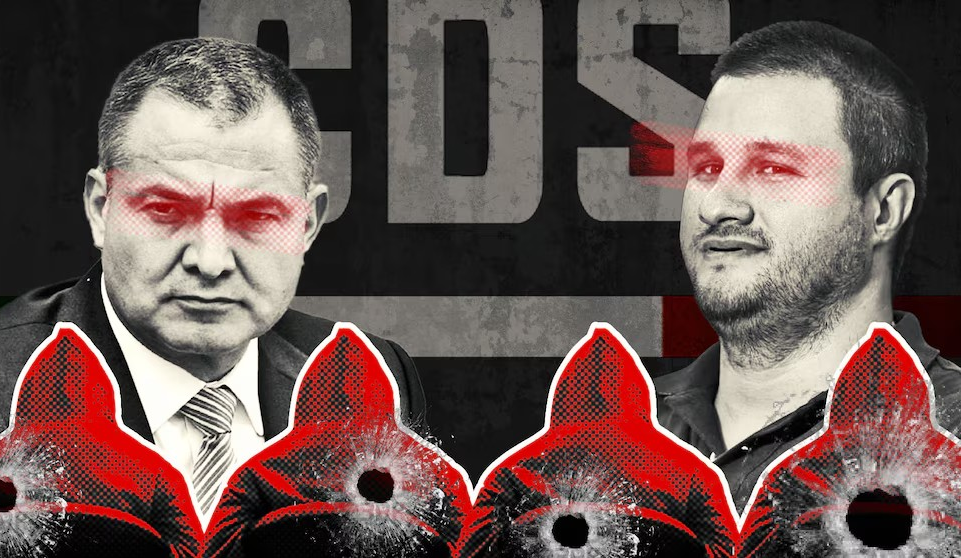
Following this scandal, multiple testimonies and evidence exposed the deep ties between Genaro García Luna and drug trafficking. During his tenure as head of the AFI—and as Secretary of Public Security in Felipe Calderón’s administration—he allegedly received millions in alleged bribes from the Pacific Cartel. Key testimonies, such as that of Jesús “El Rey” Zambada, detailed the payments and meetings that guaranteed government protection for the criminal group.
For their part, investigations in the United States presented evidence of meetings between the head of security and senior leaders of organized crime. Furthermore, recordings implicated other officials of the still-existing Federal Police in illicit activities. These revelations led to his arrest in 2019 and subsequent trial in New York, which resulted in his being sentenced to 38 years in prison by Judge Brian Cogan.
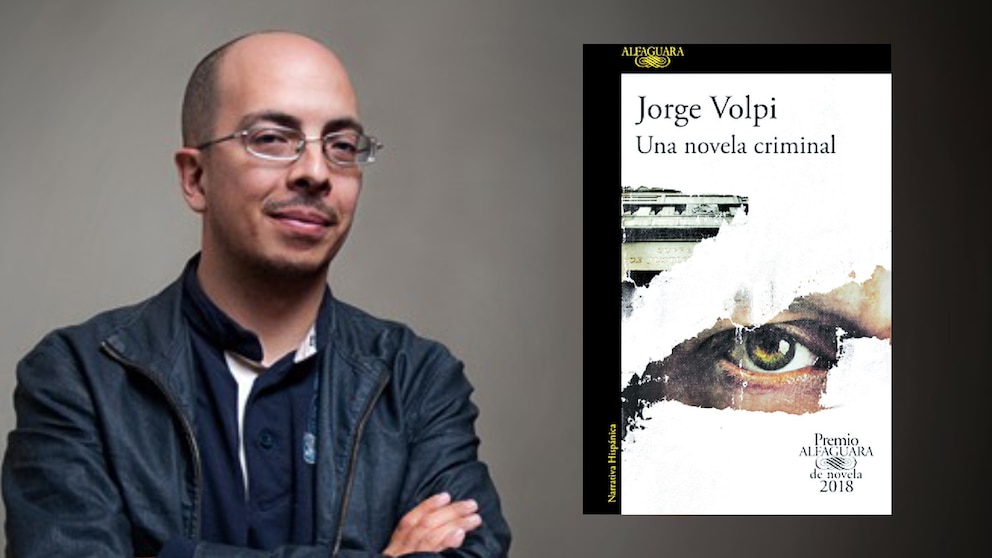
Jorge Volpi’s Interpretation: A Narco-State Still Under Construction
Writer Jorge Volpi—who has thoroughly investigated the phenomenon—contends that García Luna operated a machine of dual loyalty: while pretending to combat organized crime, he selectively favored certain criminal groups. Volpi also emphasizes that the fragmentation of Mexican drug trafficking arose not only from security policy, but from internal maneuvers that benefited the Sinaloa Cartel and, initially, the Beltrán Leyva cartel.
According to Volpi, the so-called “war on drugs” functioned as a partial plan, designed to consolidate the power of a single criminal group, while the government maintained a facade of frontal combat.
Today, narco-videos not only function as propaganda tools for drug trafficking, but also as brutal testimonies of how organized crime infiltrated and corrupted the highest echelons of power in Mexico. The 2005 Acapulco video opened a dark door that remains open: that of a country where violence is documented, disseminated, and negotiated from the highest echelons of power.
Source: infobae