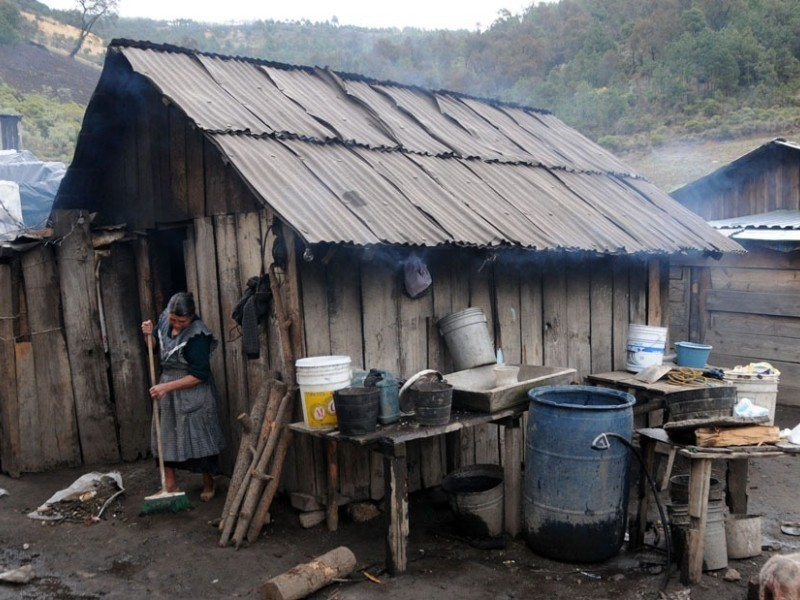

Multidimensional poverty recognizes that deprivation goes beyond income, as it also involves a lack of access to basic services, including housing, social security, education, and healthcare—opportunities that allow for a dignified life.
Despite this high figure, there is clear progress: between 2022 and 2024, 642,800 people ceased to live in this condition, as the population living in poverty decreased from approximately 4.24 million to 3.6 million.
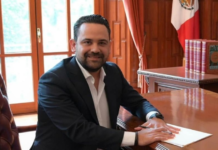
The member of the College of Economists of Veracruz noted that although social programs have had a positive impact, they are only palliative measures.
“It’s a palliative measure; of course, it’s beneficial, but it doesn’t solve the problem of poverty because it hasn’t improved people’s quality of life; there is no employment, investment, or development as such.”
Likewise, extreme poverty affects 8.8% of Veracruz residents, or approximately 714,000 people, who face three or more social deficiencies along with insufficient income to cover the basic needs of their food basket.
Between 2018 and 2024, poverty has been reduced by 15.7 percentage points, meaning that 1.1 million Veracruz residents have escaped this condition.
Although Veracruz has managed to reduce its poverty indicators, the magnitude of the social gap keeps it among the poorest states in the country. The legacy of inequality, educational gaps, lack of decent healthcare, and job insecurity continue to mark the lives of millions of Veracruz residents.
Source: meganoticias