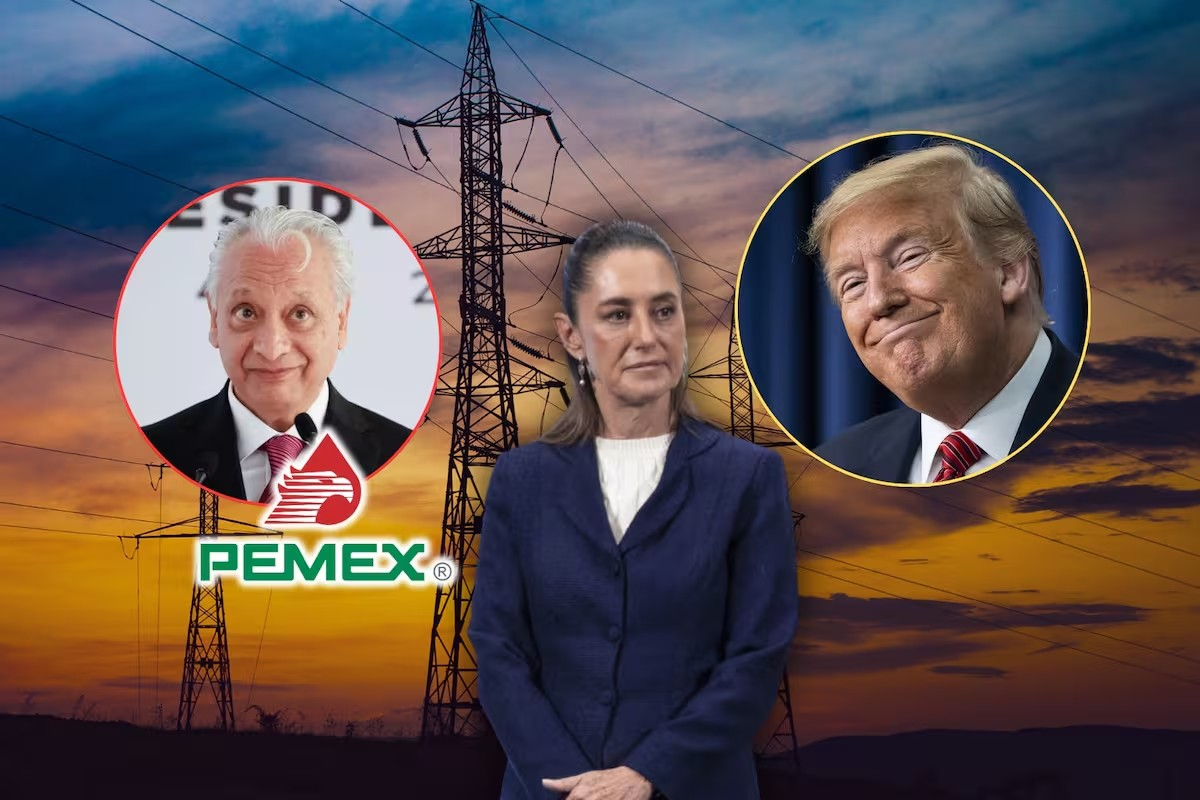

Reforma reported that Petróleos Mexicanos (Pemex) is making progress on two key fronts: expanding hydraulic fracturing, albeit under a different name, and opening up mixed contracts with private companies to increase gas production and reduce dependence on the United States.
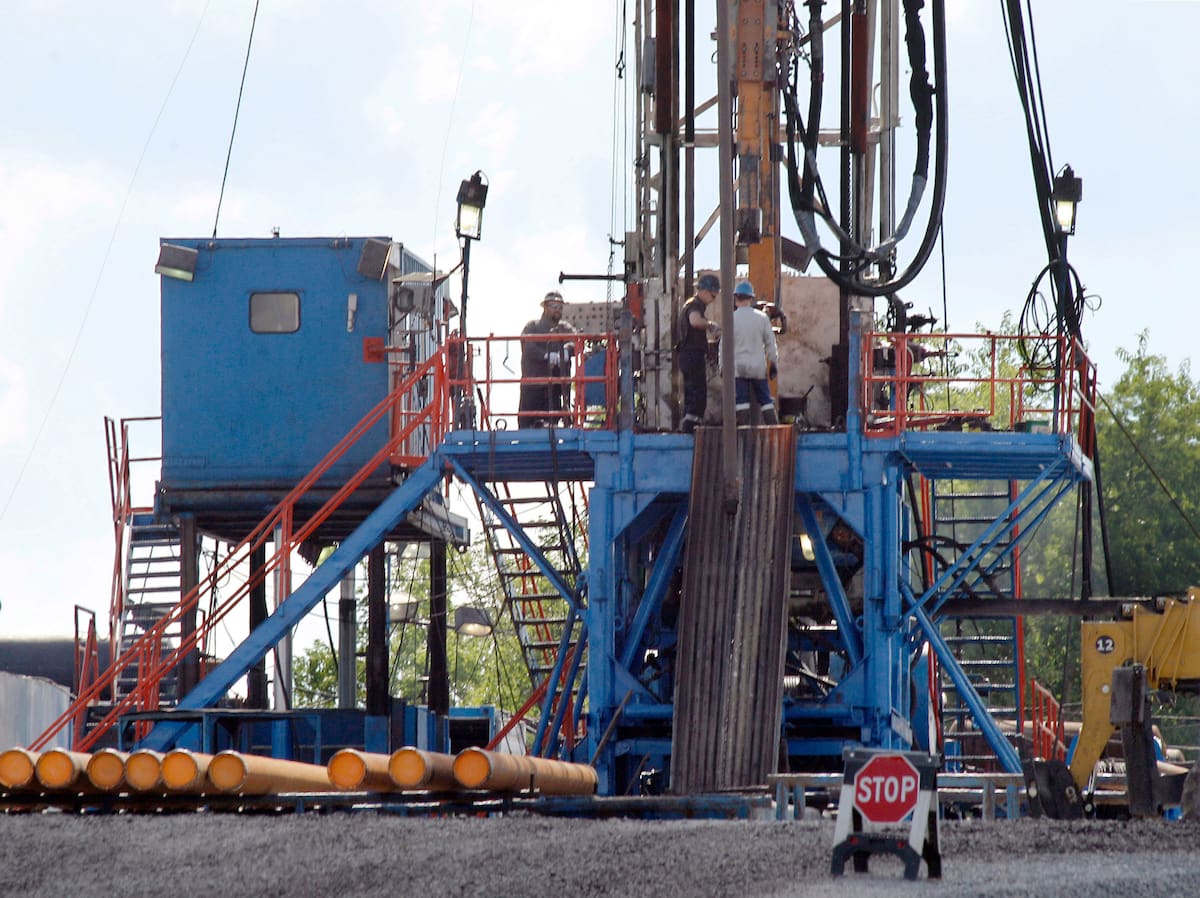
In several regions of Mexico, such as Veracruz and Nuevo León, Pemex has injected pressurized water, chemicals, and sand to fracture rocks containing natural gas. This technique is known internationally as fracking, but the Mexican oil company calls it “stimulation of complex geological deposits.”
However, the company maintains that it is a different method than traditional fracking.
“What we know as fracking is very different today; we’re not going to do it,” said its director, Víctor Rodríguez, in August.
Meanwhile, activists point out that it is the same practice under a different name.
“They don’t call it by its name because they know it wouldn’t be well received politically,” said Alejandra Jiménez of the Mexican Alliance Against Fracking.
Mexico has 545 trillion cubic feet of technically recoverable shale gas, ranking sixth in the world. Additionally, there are approximately 6.3 billion barrels of shale oil.
Most of these resources are located in the Burgos Basin, which connects to the Eagle Ford field in Texas. The Agua Nueva formation could provide up to 2.5 billion cubic feet of gas per day, according to the consulting firm Wood Mackenzie.
Pemex estimates that, with these resources, it can increase gas production by 500 million cubic feet per day and add 300,000 barrels of oil by 2030.
Mexico’s Dependence on the United States
Currently, Mexico imports most of its gas from Texas. In May, 7.3 billion cubic feet of gas entered through pipelines daily, a record level.
The Pemex director has warned that this situation exposes the country to external risks:
If the United States turns off the tap, Mexico will be left in the dark.”
Mixed contracts: the bet with investors
Furthermore, Pemex is analyzing mixed contracts as an alternative to attract private capital.
According to Rodríguez, the scheme involves companies contributing:
Initial capital
Incremental capital
Operating expenses
In return, they would receive:
40% of revenue after taxes and duties
Minimum 30% cost recovery
Ownership of the resources would remain with the State, but risks and investment would be shared.
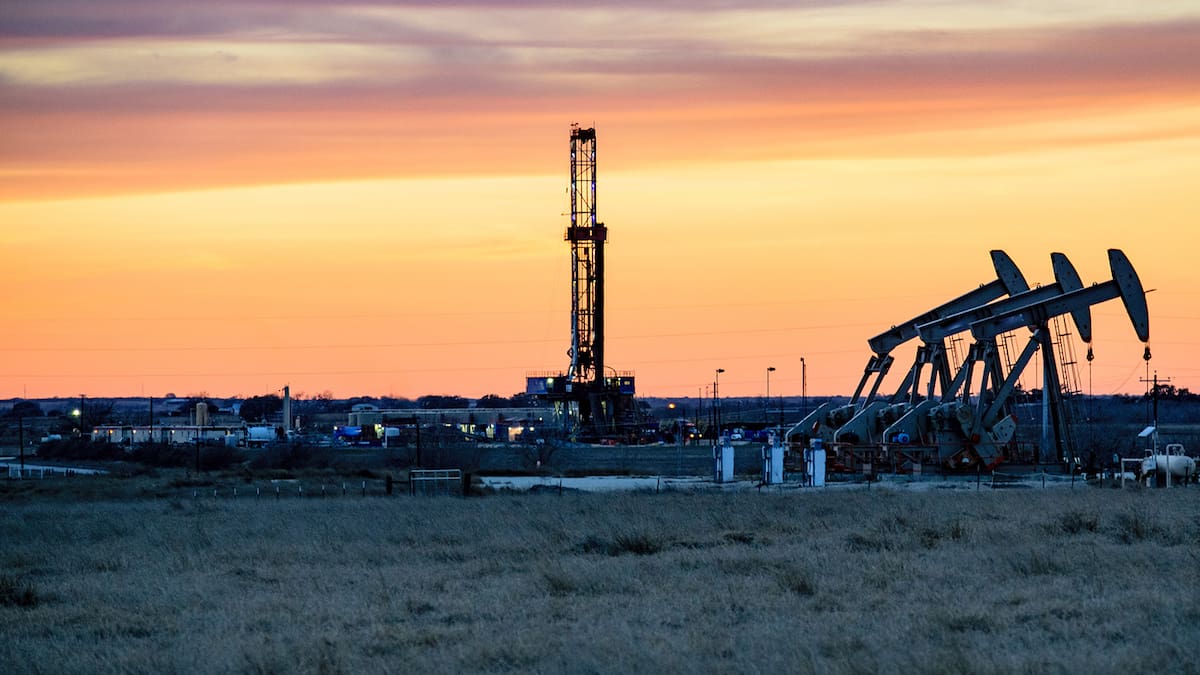
Fields included in the 2025-2035 plan
In its long-term strategy, Pemex listed 21 projects that could operate under mixed contracts. Among them:
Cuervito
Tamaulipas
Constituciones
Macavil
Sini-Caparroso
Tupilco Tertiary
Tlatitok-Sejkan
Some of these fields already have operating wells.
Alternatives to fracking
The government is also reviewing techniques other than hydraulic fracturing.
President Claudia Sheinbaum stated:
Fracking, as it is, cannot be used. There are new techniques that should be evaluated and submitted to the public for consideration.
Pemex, in coordination with the Mexican Petroleum Institute, is studying options in conventional fields, although some require additional decontamination processes due to their high nitrogen content.
Natural Gas Use in Mexico
Natural gas is key in three sectors:
Electricity generation, primarily in combined-cycle plants
Industry, as an energy input
Homes, to a lesser extent
The official goal is to achieve energy self-sufficiency without compromising the environment.
LP Gas Negotiations
In parallel, the Ministry of Energy is holding discussions with the Mexican Association of LP Gas Distributors.
To date, a commercial margin of 6.50 pesos per kilogram and 3.51 pesos per liter has been agreed upon, but a base distribution price has yet to be defined.
Source: elimparcial