
The famous Italian designer Giorgio Armani passed away on September 4th in his birthplace, Milan, Italy. His legacy in the fashion world left behind a wide variety of designs that to this day have become a mark of prestige for those who wear his creations.
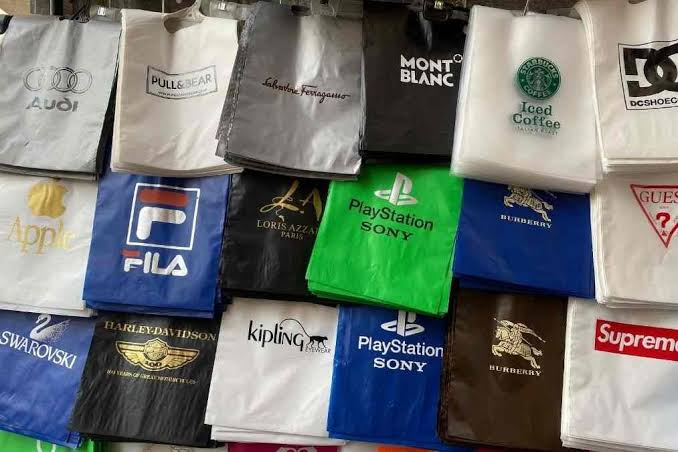
But that’s not all: these types of luxury brands became widely popular, as owning one of their designs didn’t require purchasing them in the original stores. His brand reached from the corners of Italy to every flea market in Mexico.
Synonymous with high style and elegance, but… What about piracy?
If there’s one thing we’re sure of, it’s what the Armani brand represents to its founder. For both him and those who had the opportunity to purchase his designs in official stores, this is a sign of status and power that makes them feel above society. It’s no secret that major fashion brands play on a variety of emotions, where the sense of belonging to the brand builds a personality with a high social status.
But what happens when these brands reach a point where they perhaps shouldn’t have gone and become victims of piracy? Something completely different from what their founder had planned. We’re sure that if Giorgio Armani saw the number of designs and colors in the markets and street stalls bearing his brand’s seal, he would very likely “die again.”
Piracy in Mexico, a problem for the most famous fashion brands
In Mexico, piracy represents a major problem for luxury brands and large corporations, because a large part of the Mexican economy is driven by informal commerce, where textile merchandise is often sold as copies of other designs worth thousands of pesos. However, in Mexico you can find these imitations with more shine or striking finishes for a fraction of the original price.
Fashion brands become more commercial and less prestigious when people begin to have greater access to them, especially outside of mainstream consumption. But let’s be honest: how many people haven’t been criticized on the street for wearing neon-colored T-shirts with glitter letters across the front that say “Armani”? This type of fashion piracy causes the brand to lose recognition and social status.
What does wearing counterfeit brands represent in Mexico?
Status, or perhaps a sense of wanting to achieve what seems impossible. An original round-neck T-shirt can cost between 1,500 and 2,000 Mexican pesos in luxury stores like Palacio de Hierro or on websites like Farfetch.
But what happens to these prices when the biweekly income of most Mexicans ranges between 2,593.05 and 5,186.10 pesos? Obviously, these figures represent half or even a third of the salary, so the alternative is to buy counterfeit or clone clothes, which offer the same design for just $200 to $400 pesos.
So yes, thanks to counterfeiting, we can see the “Yandel Ozunas” well-dressed in brands that would originally cost half their parents’ salaries. But this works for more than just a pretty design: the fact that the shirt has the brand name printed all over it makes you look more interesting, less ordinary, and a connoisseur of luxury brands—or at least that’s what most people feel and think when they wear them.

Source: lja