
For us Mexicans, September has a distinct flavor. It’s a month that smells of grandma’s kitchen, of streets lined with colorful confetti, and of that pride that reminds us of where we come from. But beyond the national holidays, it’s also a month when the countryside celebrates, the earth shines with fruits and vegetables, full of color and flavor.
With September comes the end of the heaviest rains and a calmer climate begins, neither too hot nor too cold. This means that several crops are at their peak. And if you go to the market, you’ll notice it: the colors shine brighter, the prices are more affordable, and even the flavors seem more intense.
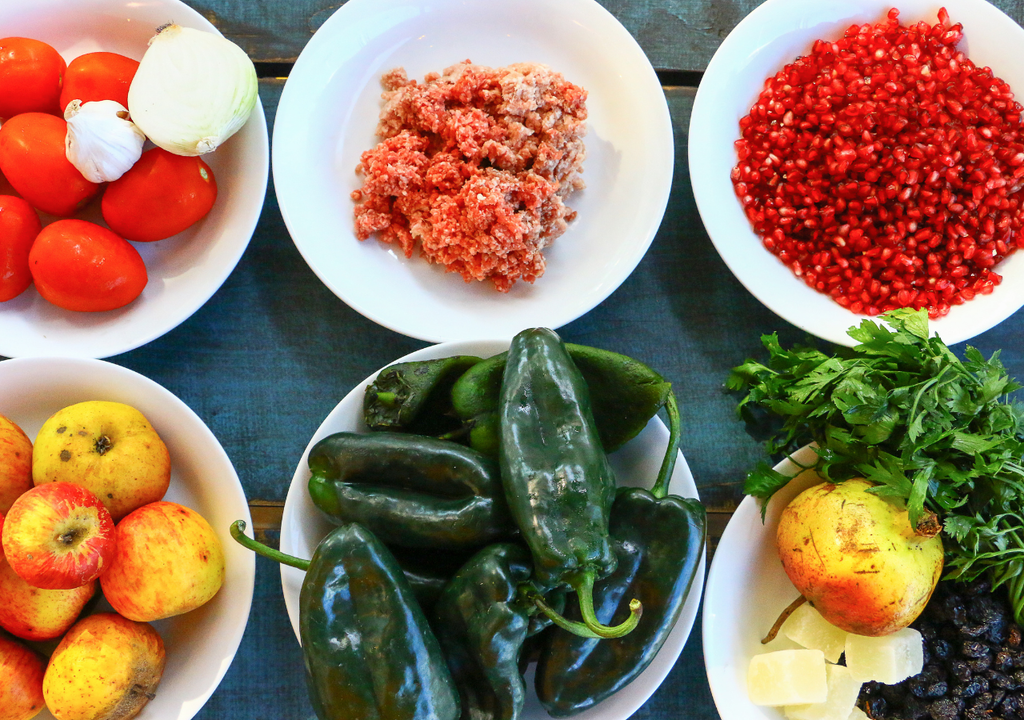
In addition, there’s something special about this month that invites us to visit the market calmly. Walking among the stalls full of pomegranates, poblanos, apples, or pears is an experience that connects us with our roots. It feels good to take home freshly picked produce.
Eating what’s in season is simply following nature’s rhythm and, at the same time, saving your wallet. Food that arrives at its perfect time is not only cheaper, it’s also full of nutrients and tastes much better. There’s no comparison between a September tomato and one that spent months in cold storage.
The Creole plum arrived in Mexico with the Spanish, but it has adapted so well here that many people believe it’s native to our country.
And of course, it also reminds us that food is part of our identity. It’s the month when even nature seems patriotic: the green of the poblano pepper in chiles en nogada, the white of the onion that can’t be missing in a stew, and the red of the tomato that colors our sauces. Green, white, and red, right on the plate.
September Fruits: Natural Sweetness at Its Peak
The month kicks off with a delicious variety of fruits, and one of the most anticipated is the pomegranate. Besides livening up chiles en nogada, it’s packed with antioxidants and vitamin C. It’s an agricultural gem that both decorates dishes and protects the body; eating it during these days is almost a national ritual.
The fig is also in full bloom; this small fruit is a source of fiber and minerals like potassium. In Mexico, figs are enjoyed fresh, but also in jams and desserts. Some say that a ripe fig in September tastes sweeter than at any other time.
The pomegranate is a crop that was introduced by the Spanish in the 16th century but adapted perfectly to areas like Puebla and is now an important part of our cuisine.
Guava is starting to be seen more often in markets and is perfect for juices or for those warm morning atoles. The Creole plum still appears in some regions, with that delightful acidic touch, and there’s also the fresh and juicy papaya, ideal for a light breakfast or a tropical fruit salad.
Another fruit that stands out is the water pear, with its freshness and smoothness. It’s perfect eaten on its own, but also adapts very well to salads and desserts. And we can’t leave out the apple, especially the one produced in Chihuahua and Puebla, which is at its best during this time of year.
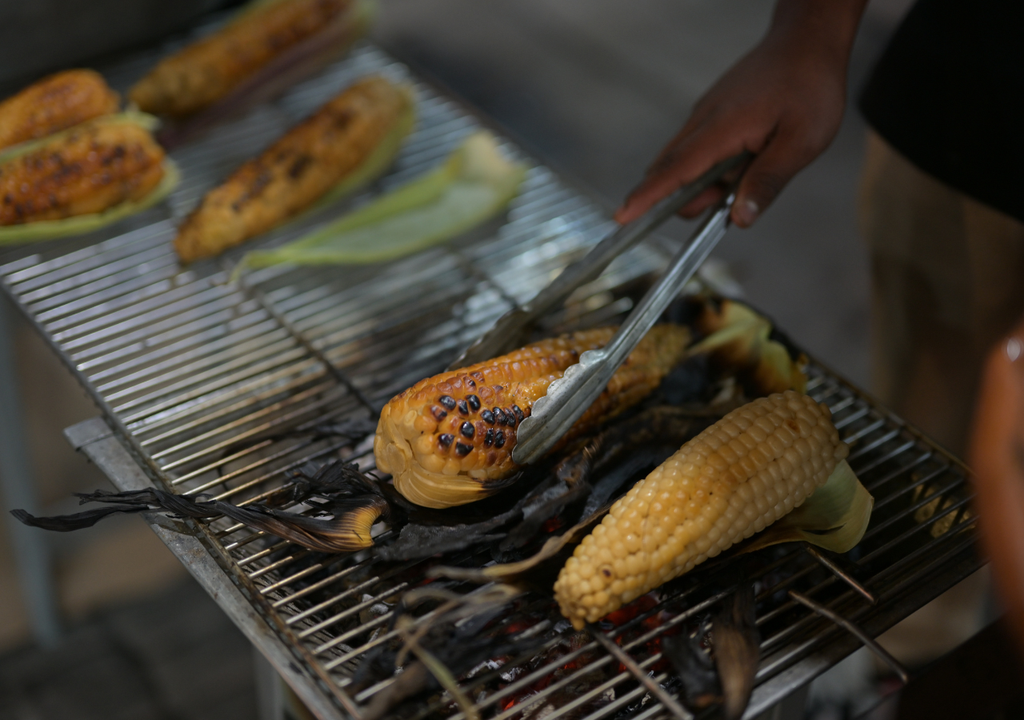
Grilled corn on the cob is not only a tradition at fairs and festivals; it also develops a sweeter flavor because the heat from the charcoal caramelizes its natural sugars.
In the south of the country, mamey is still available in good condition, and plantains are never missing. The Mexican plantain, in addition to being an energy-boosting food, is one of the most exported fruits worldwide. If you buy plantains in September, you’re likely to find them cheaper, precisely because the domestic supply is greater.
September Vegetables in Mexico
When it comes to vegetables, September is the time of the poblano pepper. It’s impossible not to think of chiles en nogada, that baroque dish that blends history, flavor, and pride. The poblano pepper is also rich in vitamins A and C and has a unique flavor that makes it a standout in sauces and stews.
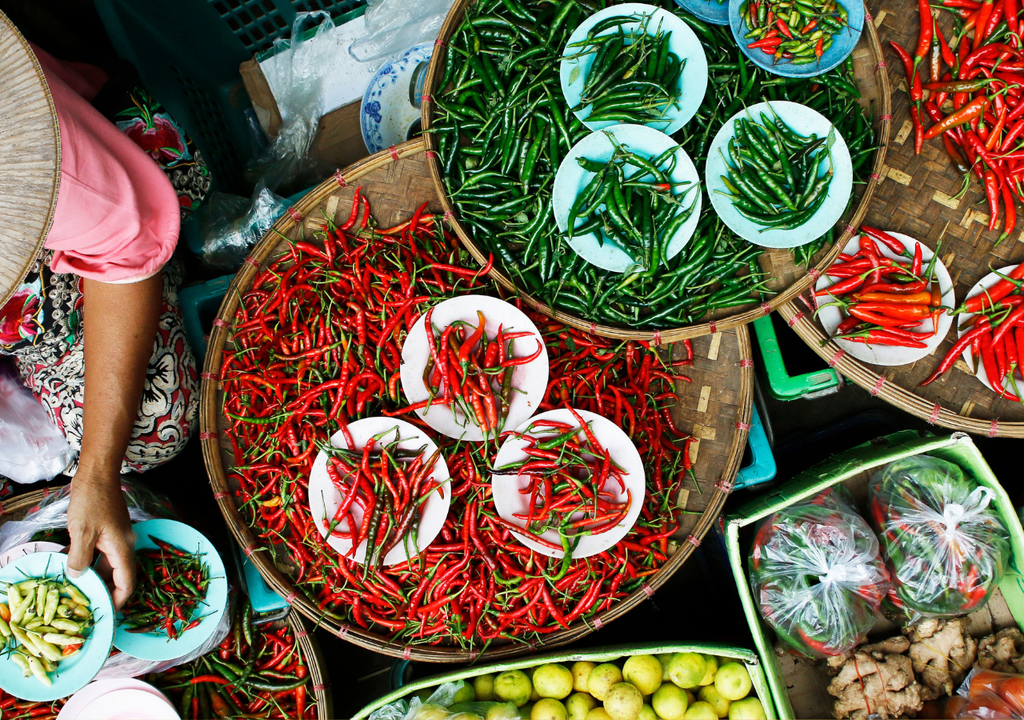
Along with the poblano, other chiles enjoyed during this season also stand out, such as the serrano, jalapeño, and guajillo, all staples in Mexican cuisine. Each has its own unique character: the jalapeño with its medium heat, the serrano with its more pungent flavor, and the guajillo, which colors stews a deep, intense red.
The tomato harvest is in full swing. In many regions, such as Sinaloa and Michoacán, the harvest is vigorous and arrives fresh to the markets. Tomatoes not only provide lycopene, a natural antioxidant, but are also key to Mexican cuisine. From a simple pico de gallo to a homemade caldillo, September has a tomato flavor.
Zucchini is also in season, soft, tender, and perfect for stews, soups, and stuffings. Eating it during this time means taking advantage of its freshness and its water and fiber content. It’s a simple ingredient, but with enormous potential in the kitchen.
These leafy greens are sources of iron and antioxidants that help keep us energized.
Adding to this combo are spinach and romaine lettuce, which arrive with even more vigor and freshness in September. They’re staples in salads, but are also used in soups and even smoothies. The best part is that these leafy greens are sources of iron and antioxidants that help keep us energized.
And what about corn? In September, it’s still enjoyed in esquites, tamales, or simply boiled with a little lemon and chili. Corn is the heart of our culture, and during this time of year, it’s honored, both in the fields and at the table.
Eating in Season: Real Benefits
When a fruit or vegetable is abundant, it doesn’t require long journeys or expensive preservation processes. This means that it arrives fresher at your table and at a much more affordable price. In short, eating seasonal produce is not only tastier, it’s also kinder to your wallet.
Another point is nutrition. Food harvested at the right time better preserves its vitamins, minerals, and antioxidant compounds. A freshly picked tomato from September, juicy and full of lycopene, is not the same as one that spent weeks in refrigeration.
Mexico is the country that consumes the most chili peppers in the world, and the curious thing is that although the heat is strong, Mexicans hardly ever get too spicy.
Eating what the land gives us at the right time helps reduce our environmental footprint. We spend less on transportation, less on storage, and less on preservative chemicals. In the end, what seems like a small decision becomes an act with a great impact.
The mix of pomegranates, pears, apples, poblanos, tomatoes, and corn on the cob is transformed into dishes that not only fill the stomach, but also tell stories. In every bite there’s a little piece of tradition, in every color a nod to our identity. Green, white, and red are seen not only on the flag, but also on the plate.
And the best part is, you don’t have to be a chef to take advantage of them. Just go to the market, see what shines brightest in the baskets, and let yourself be guided. That’s the most reliable guide: what’s fresh, what’s abundant, and what smells delicious—that’s what you should take home.
September isn’t just about shouting “Viva México!”; it’s also a month to savor what the countryside gives us. And there’s something special about preparing a dish with ingredients that are at their perfect point at that moment. So now you know, the green of the poblano pepper, the white of the onion, and the red of the tomato are not only on the flag, but also on your table. And that, believe me, tastes like the homeland.
Source: meteored