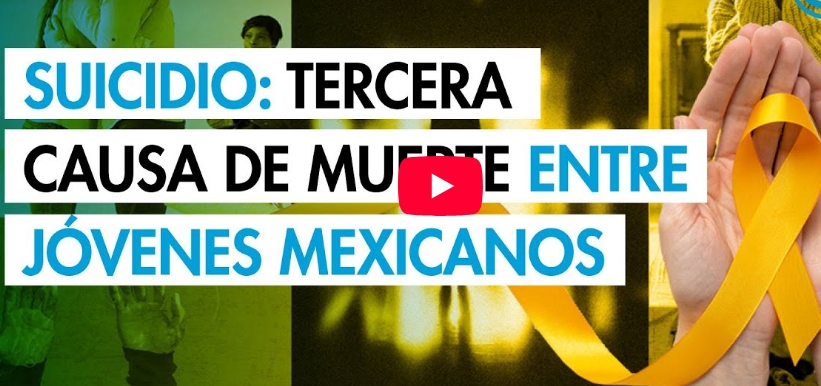

In Mexico, an average of 24 suicides occur every day. The youngest population accounts for the majority of cases, and among children, adolescents, and young adults, suicide ranks among the top five causes of death.
For adolescents and young people between the ages of 15 and 24, suicide is the third most reported cause of death. For children between the ages of 10 and 14, it is the fourth cause of death.
Meanwhile, among those between the ages of 25 and 34, suicide is the fifth most common cause of death, according to figures from the National Institute of Statistics and Geography (INEGI).
Every September 10th, as part of World Suicide Prevention Day, the goal is to raise awareness and inform governments, healthcare workers, and the general population in order to reduce these deaths.
In this regard, it is essential to redouble efforts on public health policies focused on mental health; especially considering that in Mexico—and much of the world—suicide cases continue to rise.
Suicide Cases in Mexico
In total, 8,856 suicide deaths were recorded during 2024, resulting in a rate of 6.8 cases per 100,000 inhabitants.
This level reflected a 0.22% increase compared to the total number of suicides recorded the previous year. This marks another year of increases in the total number of cases.
If compared, for example, with suicide mortality rates 10 years ago, the total number of cases has grown by almost 40 percent.
This can be explained, on the one hand, by more people facing mental health problems, but also by a greater level of awareness of the issue, thanks to collective efforts to destigmatize and name mental health-related conditions.
Gender Gaps in Suicide
In addition to the significant gaps observed between young people and the adult population, there are also significant differences between women and men.
In 2024, the female suicide rate was 2.6 per 100,000 women, while for men it was 11.2 per 100,000. In other words, the prevalence of suicide is four times higher among men.
However, data from the National Institute of Statistics and Geography (INEGI) show that suicide attempts are significantly more common among women.
It is important to understand the differences between these concepts:
While a suicide attempt involves a potentially self-harming act (with a non-fatal outcome), it shows that, intentionally or unintentionally, the person wanted to end their life. Suicide, on the other hand, involves the deliberate act of taking one’s own life, initiated and carried out by the person.
To improve the efficiency and effectiveness of public policies aimed at ensuring mental health and reducing suicides, it is essential to implement a gender-based approach that identifies and addresses the specific causes and needs of both men and women.
Mental health—which encompasses a variety of conditions—is public health. Therefore, it is essential that governments address the issue, provide adequate and timely information, destigmatize illnesses, and ensure effective access to professional treatment.
If you need help from mental health professionals or know someone who needs it, you can contact the following helplines:
Línea de la Vida (8009112000) for emotional support
IMSS Telephone Medical Guidance (8002222668 option 4) Locatel (311 or 5556581111)
Urban Centers for Emotional Well-being (NUBE): information here.
Source: eleconomista