
An outbreak of the Coxsackievirus in Calkiní, northern Campeche, led health and education authorities to temporarily close several local schools. The virus, known as hand, foot, and mouth disease, primarily affects children.
In the town of Tancunché, the infection was detected at two schools: the Benito Juárez Indigenous Preschool Education Center, with 17 cases, and a local elementary school, where six children were affected.
The spread of the highly contagious Coxsackievirus prompted the suspension of classes to carry out sanitation and disinfection efforts. According to reports from health authorities, the virus is transmitted from person to person primarily through direct contact with respiratory secretions, such as droplets of saliva when coughing or sneezing, as well as through contact with contaminated objects or surfaces.
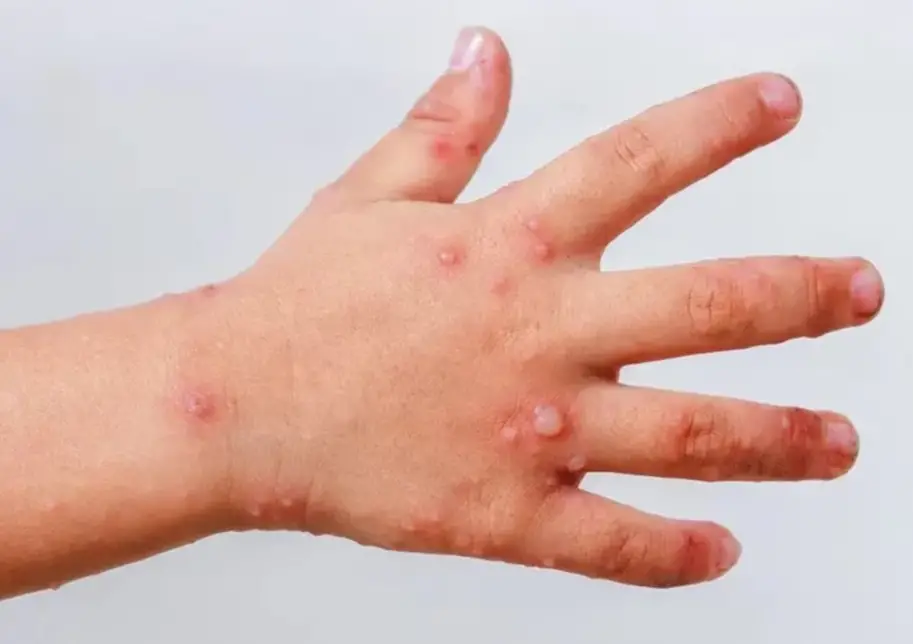
Hand, foot, and mouth disease is characterized by the appearance of rashes, small blisters, and ulcers on the hands, feet, and mouth. Symptoms also include fever and sore throat. Authorities urged parents not to send children to school if they have a fever, a rash, or lesions in the aforementioned areas. They reinforced the call to maintain strict hygiene measures such as frequent handwashing and disinfection of commonly used objects such as toys or kitchen utensils like spoons and shared dishes.
The health alert remains, for now, restricted to Calkiní. Epidemiological surveillance continues, with special attention to the evolution and recovery of cases detected in minors. The most vulnerable group is children between one and five years old, who tend to develop symptoms more easily and require close medical observation.
In addition to the local strategy, other states in the country, such as Morelos and Oaxaca, are conducting preventive campaigns to prevent the spread of the virus. Authorities recommend covering the nose and mouth when sneezing and keeping vaccination schedules up to date to reduce the risk of complications.
The presence of Coxsackievirus was also reported at a school in Tulum, Quintana Roo, underscoring the need to strengthen health surveillance and adopt preventive practices among schoolchildren and families. Official monitoring will continue to contain the spread of the outbreak and safeguard the health of affected children in the region.
The Coxsackievirus can cause complications such as dehydration, secondary bacterial infection, painful ulcers, meningitis, and, in rare cases, cardiac inflammation.

Source: infobae