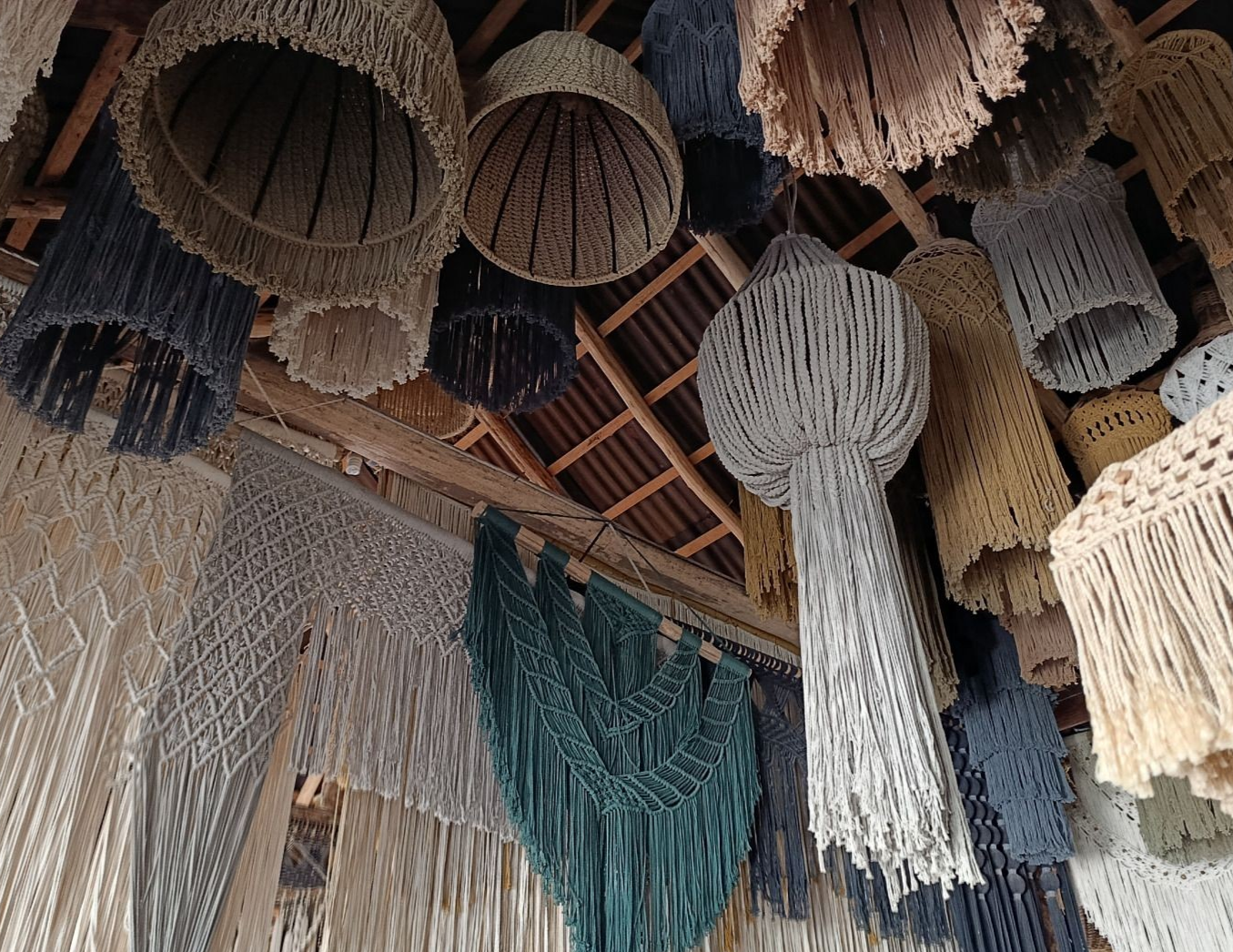

Artisans and carpenters from Mayan communities located in the state’s transition zone have reported a decrease of up to 50 percent in the value of their products during the low season, which has directly impacted their income and the continuity of these traditional crafts.
In towns such as Macario Gómez, Francisco Uh May, and Manuel Antonio Ay, working with wood, vines, and natural fibers has been a source of livelihood and an inherited cultural practice for generations. However, various economic and social factors are affecting its survival, and artisans have chosen to lower the prices of their products in order to sell them.
“My father is an artisan, and he taught me everything I know. Here we work with different types of wood from the region; we use vines to make various crafts, which we offer here in our store,” said Manuel, a young artisan from Francisco Uh May.
He explained that current market conditions have changed, mainly due to the reduction in tourism and competition with industrialized or low-cost products. “The truth is, sales have become very complicated over the last year; we’ve even had to bargain down what we sell. We’ve lowered prices quite a bit because they’re just not selling anymore,” he said.
Adding to this situation is the growing lack of interest among young people in continuing with this type of trade. According to Manuel, many choose to migrate to nearby tourist destinations in search of employment in sectors such as construction and services.
“If young people like me are looking to get out of town, they’ll leave as soon as they’re old enough or self-sufficient. I have friends who go to Tulum, Playa del Carmen, or Cancún, places where there are jobs,” he commented.
The interviewee also noted that there are fewer and fewer young people dedicated to these jobs, and that most of those who continue are adults who learned the trade decades ago. “There are only a few young people working here; most are adults who continue with this art,” he said.
He also mentioned that some workshops have closed and several families have stopped producing handicrafts, which has led to the gradual loss of traditional techniques. “Well, I think it could disappear if the new generations don’t take an interest in this,” he concluded.
Source: lajornadamaya