
Bread of the Dead is one of the most representative symbols of the Day of the Dead in Mexico. Although it is prepared throughout the country during the October-November season, each region has its own style, flavor, and meaning.
Oaxaca, Puebla, and Michoacán are three states where this tradition is deeply rooted, and where bread of the dead takes on shapes, colors, and textures that reflect their local culture and cuisine. Below, we’ll tell you the most interesting differences between these three styles of bread that are a must-have on the table during this season.
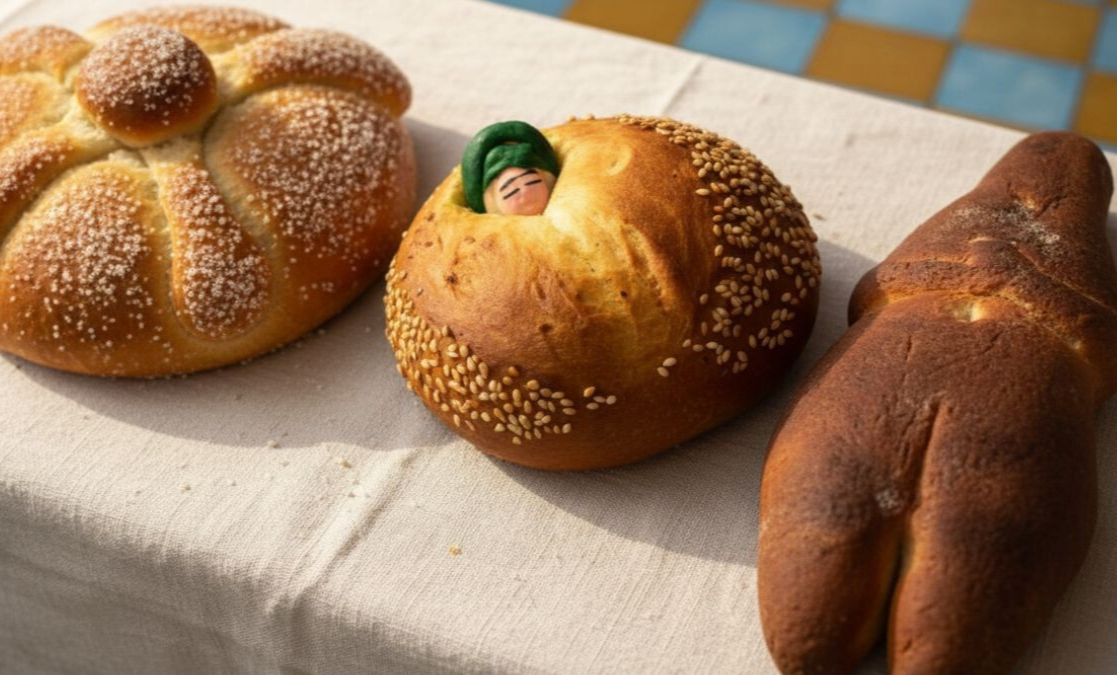
In Oaxaca, bread of the dead has a very distinctive signature. It is made with flour, egg, butter, and a touch of anise, which gives it an unmistakable aroma. Instead of sprinkled sugar, it is topped with toasted sesame seeds, which give it a slightly crunchy texture. In many Zapotec villages, this bread is decorated with handmade pasta faces or alfeñique figures, representing the deceased honored in the offerings.
Furthermore, in some Oaxacan regions, the bread can be accompanied by chocolate from the metate or a cup of white atole, making it a truly traditional experience.
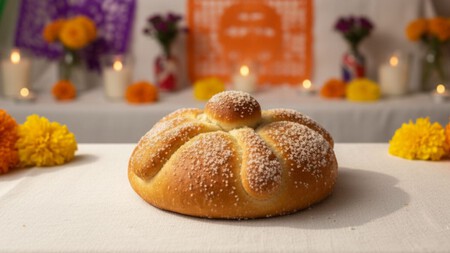
Puebla’s Pan de Muertos (bread of the dead) is the most similar to the one eaten in Mexico City, with its round shape and crossed strips symbolizing bones. However, in Puebla, it is distinguished by its spongy texture and subtle flavor of orange blossom water or orange zest, which gives it a floral and fresh touch.
In Puebla, it is customary to sprinkle the bread with white or pink sugar and accompany it with hot chocolate or café de olla (coffee pot). In local markets, you can also find versions filled with pastry cream or whipped cream, a recent trend that has won over those with a sweet tooth.
In Michoacán, Pan de Muertos (bread of the dead) is a work of art. It is distinguished by its human shape, but it can also be in the shape of a flower or a skull. Also known as offering bread, it is made with wheat flour and can be decorated with tinted sugar. In some places, a dedication to the deceased is included.
Its flavor is thicker and less sweet than that of other regions, as it is made with cinnamon and piloncillo, which gives it a darker tone and a deeper aroma. In the Lake Pátzcuaro region, this bread is essential during the November 2nd celebrations.
Each regional bread of the dead tells a different story, but they all share the same purpose: to honor the memory of those who have passed away. While symbolism predominates in Oaxaca, sweetness and refinement are emphasized in Puebla, while in Michoacán the connection with ancient rituals lives on. So, if you want to give your altar a twist this year, try all three styles and discover how each bite holds a part of Mexico.
Source: directoalpaladar