
Tulum is once again in the spotlight, and this time not for its beaches or its nightlife, but for something much more mundane: tacos. Yes, that iconic dish of Mexican cuisine, which in many places you can enjoy for less than 50 pesos, has reached prices here that seem straight out of a gourmet menu.
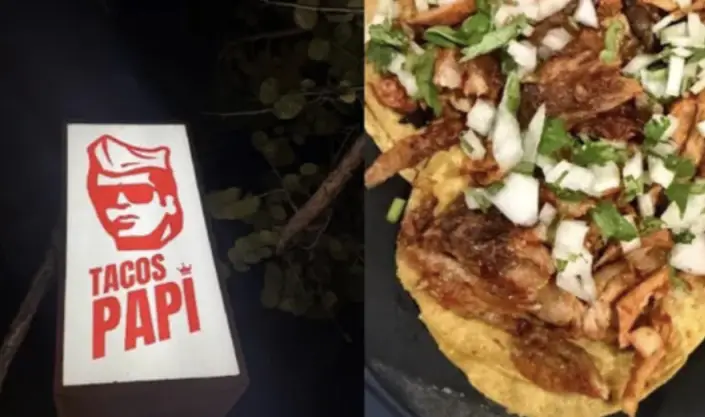
According to an article in Cultura Colectiva, a restaurant called Tacos Papi, owned by businessman and actor Roberto Palazuelos, has sparked controversy on social media for its high menu prices. Here, an order of three tacos al pastor costs around 200 pesos, a gringo or sincronizada tacos costs 250, and the so-called “house taco”—which is actually more like a burrito—reaches 300 pesos. Even dessert, a simple rice pudding, costs around 90 pesos.
Users’ outrage quickly went viral. Many consider these prices disrespectful to a culinary tradition so deeply rooted in Mexico, where the taco is not only a food, but a symbol of identity and popular access. For many, paying the equivalent of a full meal for just three tacos is excessive, regardless of whether the restaurant is in a tourist destination.
Several factors are behind these inflated prices. The first is the luxury tourism that dominates the area: Tulum has become a showcase for high-net-worth travelers, willing to pay more for what is presented as an “exclusive experience.” The name of the owner also plays a role, as Palazuelos’ fame generates media attention and allows for higher prices under the guise of exclusivity.
Furthermore, operating costs in an area like Tulum are not insignificant: rent, permits, transportation of supplies, and basic services all have high rates. All of this ends up being reflected in the diner’s final bill. But beyond the economics, there is also a cultural component. Many Mexicans are annoyed at how a popular symbol like the taco is becoming a luxury item, stripping it of its street-food and accessible essence.
The truth is that high prices in Tulum are nothing new. In recent years, the destination has been criticized for its transformation into a “tropical luxury” enclave, where eating, staying, or even parking costs more than in other parts of the country. But this time, the discussion went viral precisely because it touches on something deeper: the cultural value of Mexican food.
At its core, the debate about “expensive tacos” is a conversation about identity and class. How much does a taco really cost? Do we pay for flavor, quality, or the brand behind the establishment? And, above all, to what extent can tourism distort what was once a popular expression of our cuisine?
Tulum may continue to sell 300-peso tacos, but more and more voices are reminding us that the true value of a taco lies not in its price, but in its history: that of a dish born of the people and made for everyone.

Source: noticiaszmg