
The National Aquaculture and Fisheries Commission (Conapesca), a department of the Ministry of Agriculture and Rural Development (Agriculture), complied with the fishing sector’s requests for the conservation of this economically important resource.
At the beginning of the last four months of 2025, four new Temporary Partial Fishing Refuge Zone (ZRP) Agreements were published in Yucatán, Colima, and Baja California Sur, valid for five years.
These zones seek to protect key species, ensure the recovery of fishing populations, and improve marine ecosystems within the established polygons.
Details of the new Fishing Refuge Zones
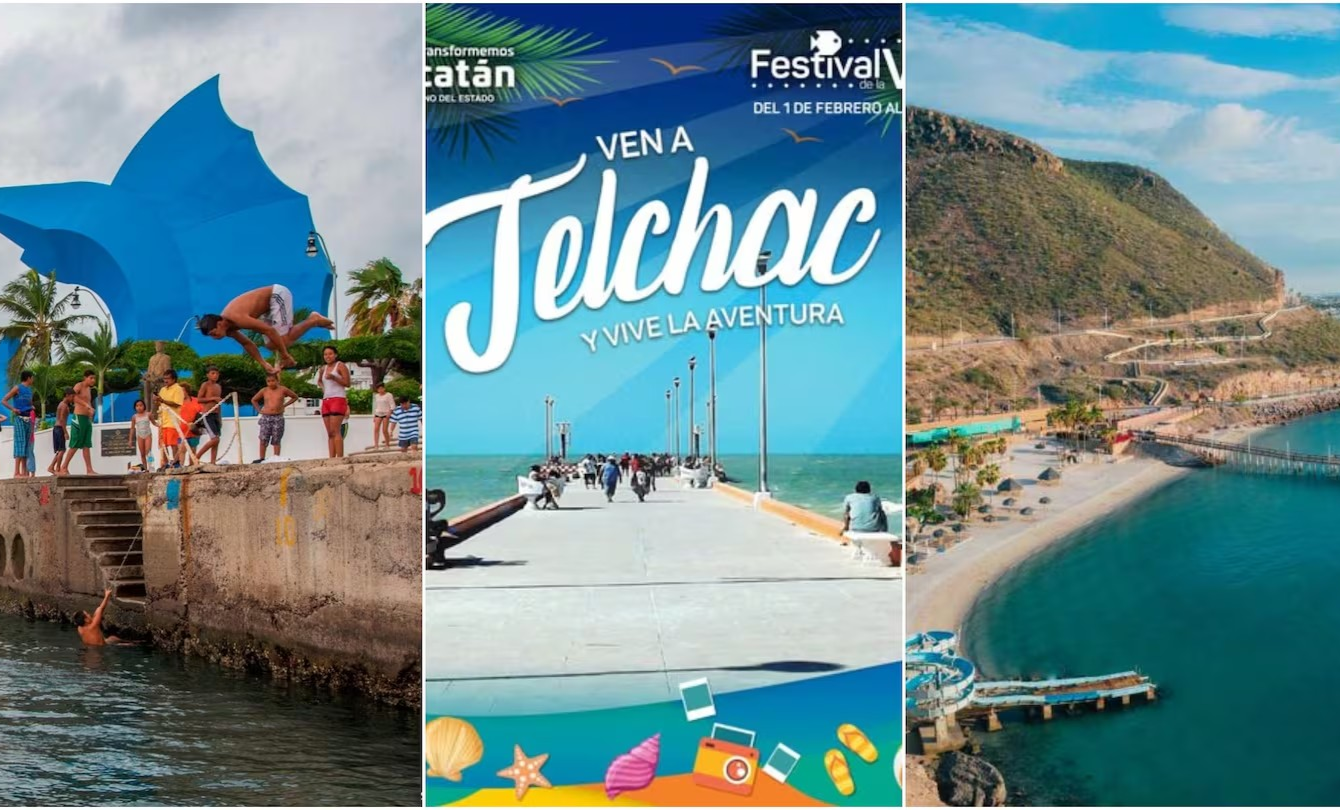
- Telchac Puerto, Yucatán
Publication: September 15, 2025 in the DOF (Official Gazette of the Yucatán Department of Fisheries)
Target species: Octopus (Octopus maya), Spiny lobster (Panulirus argus), Red grouper (Epinephelus morio), Sea cucumber (Isostichopus badionotus)
Allowed activity: Commercial octopus fishing using traditional fishing gear (jimba) from August 1 to December 15, respecting current bans
- “El Cerrito”, Chuburná, Yucatán
Publication: September 26, 2025 in the DOF (Official Gazette of the Yucatán Department of Fisheries)
Target species: Octopus, Spiny lobster, Red grouper, Sea cucumber, Black octopus (Mycteroperca bonaci)
Allowed activity: Commercial octopus fishing using the traditional fishing method (jimbas or sticks), respecting current bans Closures
- Manzanillo Bay, Colima
Publication: September 29, 2025 in the Official Gazette of the Dominican Republic (DOF)
Target species: Various species of marine scales from the families Lutjanidae, Serranidae, Haemulidae, and Carangidae, with emphasis on artificial reefs
Allowed activity: Artisanal fishing with handlines and hooks no. 8 or higher
- “El Saladito”, Bahía de La Paz, Baja California Sur
Publication: October 2, 2025 in the DOF (Official Gazette of the State of Baja California Sur)
Target species: Red snapper, spotted snapper, sea bass, horse mackerel, sole, cochito, mojarra, bivalve mollusks
Allowed activity: Educational and promotional fishing with Hawaiian-style spearguns and scuba diving, every three months
Penalties and Regulations
Persons who ignore the provisions of the Agreements will be sanctioned in accordance with Article 133 of the General Law on Sustainable Fisheries and Aquaculture and other applicable provisions.
The establishment of these Fishing Refuge Zones has scientific support from IMIPAS and is expected to generate recovery of secondary species and environmental improvements within the polygons.
In Yucatán and Baja California Sur, state governments have actively supported the implementation of these RFZs. In Colima, the Manzanillo Bay area is the first of its kind in the state, with the expectation of adding more in the short term.
Conapesca coordinates these actions with IMIPAS and local governments to conserve aquatic resources and their ecosystems, ensuring the sustainability of fishing in Mexico.

Source: cronica