
Last Friday, during the celebration of World Cities Day, Bogotá was recognized as one of the five winners of the prestigious Shanghai Prize, which highlights urban initiatives that contribute to the implementation of the New Urban Agenda (NUA) and the Sustainable Development Goals (SDGs), especially SDG 11: Sustainable Cities and Communities.
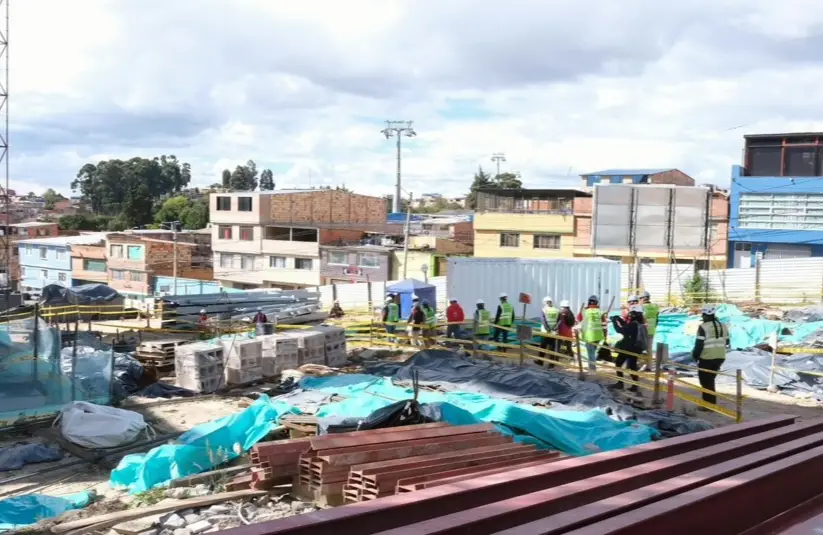
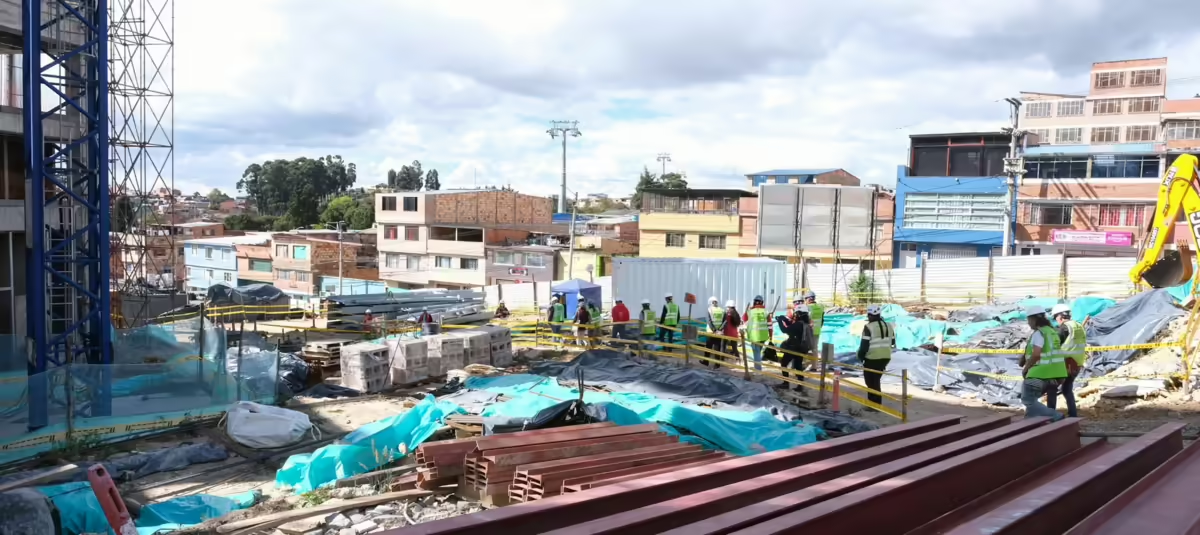
International relations experts, architects, and urban planning specialists toured the urban revitalization project surrounding the San Cristóbal Cable Car, which earned the city the award for its contribution to sustainable development.
It is located between 9th and 10th Streets and 15th and 15A Avenues.
From the Bronx Creative District to the Waterways: Experts tour Bogotá’s historical heritage on World Cities Day 2025.
The event began very early at the El Tunal portal, where delegations from various countries later boarded the TransMiCable in Ciudad Bolívar to observe the transformation of the district, which boasts the city’s only aerial cable car line. San Cristóbal hopes to emulate this transformation through a project to revitalize the area surrounding the cable car.
In Ciudad Bolívar, a “self-built” district, 163 red cabins have been “flying” since December 27, 2018, traversing almost 30 percent of the district in a nearly straight line.
Between 25,000 and 28,000 people travel daily using this mode of transportation between the Portal Tunal station and the El Paraíso neighborhood, a journey that takes just 25 minutes. Gone is the hour and a half spent on a bus or shared taxi, where many passengers stood and could barely move.
“The urban transformation in the city is comprehensive. We are reaching every district with projects and results to regain the trust of citizens,” commented Juan Carlos Fernández, director of the Popular Housing Fund, who accompanied the international experts.
Ciudad Bolívar was the first stop to showcase the urban development that, through collaboration between the Housing Secretariat and the Popular Housing Fund, has allowed the District to relocate dozens of families living in settlements on the mountainsides.
The next stop was San Cristóbal, a territory in southeastern Bogotá that is now beginning to write a new chapter of transformation. From the sports field in front of the La Victoria church, the meeting point for this tour in the district, visitors learned about the progress of the urban revitalization strategy led by the city administration.
Along the route, the progress of the comprehensive TransMiCable project in San Cristóbal was presented, which includes improvements in La Gloria Plaza, the Altamira circuit, La Victoria, and Panorama—key areas for strengthening urban connectivity.
In La Victoria Park, 1,400 square meters have been renovated, now offering the community a multi-purpose sports field, bleachers, a stage for events, access ramps for people with reduced mobility, a children’s playground, an outdoor gym, and green spaces.
Through this comprehensive initiative by various entities, the city has been reclaiming public space, improving mobility, and promoting decent housing in safer and more sustainable environments.
The tour allowed visitors to see how these public works projects are beginning to transform the urban landscape and, above all, the daily lives of its residents. Amidst renovated streets, green spaces, and freshly painted facades, a new sense of hope is palpable.
For the cable car system in this town, 123 of the 148 cabins needed have already been secured, and it is expected to begin trial operations in August of next year.
Source: eltiempo