
With the goal of strengthening cultural identity and promoting the use and appreciation of the Hñöhñö indigenous language, the Guanajuato State Education Secretariat (SEG), through Regional Delegation I, held a cultural and linguistic workshop in which ten schools from the municipalities of San Miguel de Allende and Dolores Hidalgo participated.
The activity took place within the framework of the Day of the Dead commemoration and was part of the Indigenous Language Program promoted by the SEG, in accordance with the principles of the New Mexican School.
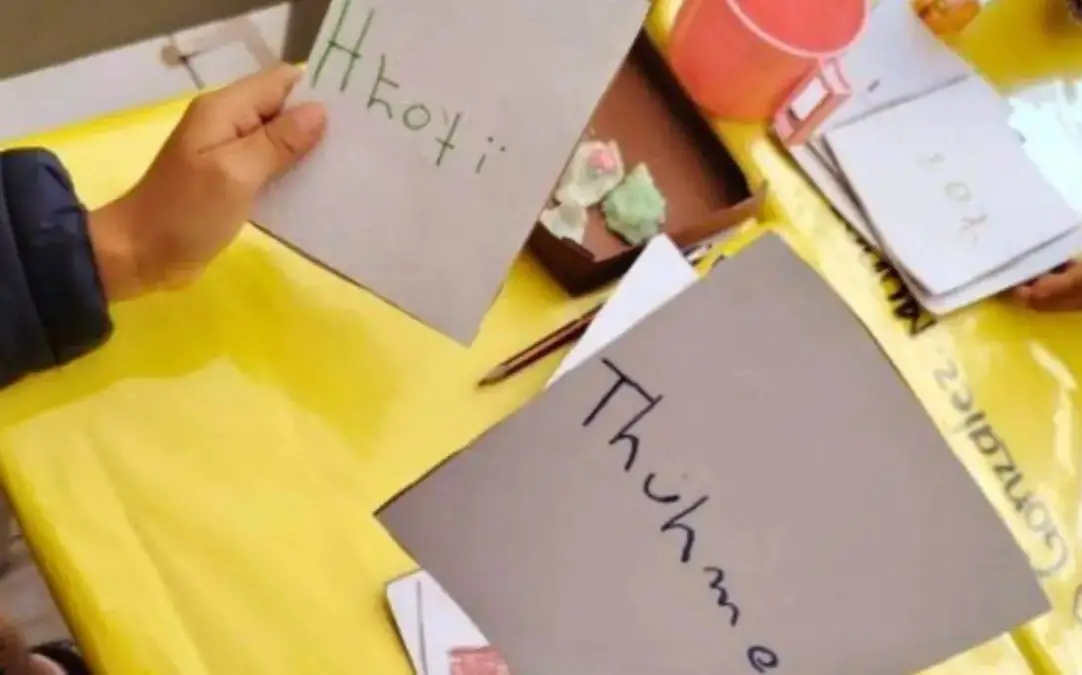
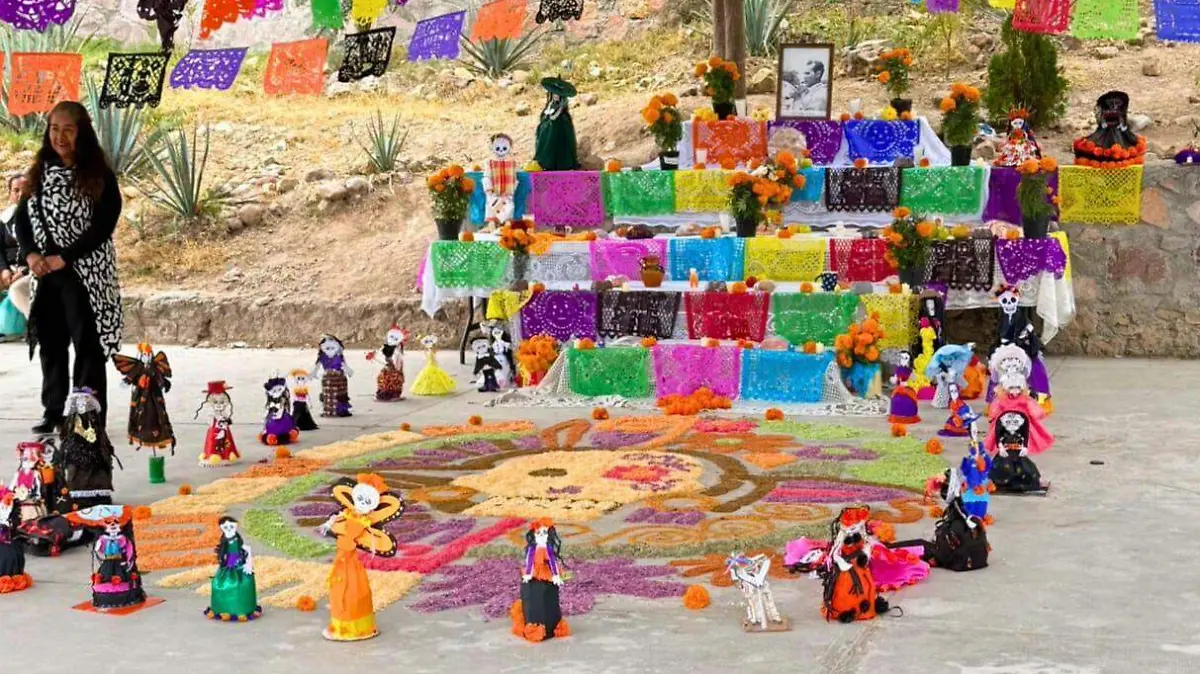
During the workshop, students created literary calaveritas (short, humorous poems about death) in Hñöhñö, incorporating vocabulary from the Otomi tradition, expressions of respect, and humor related to life and death. They also built altars with elements representative of the indigenous worldview, such as flowers, candles, traditional foods, textiles, and traditional symbols.
As part of the recreational and language-strengthening activities, memory games were played using traditional elements, through which the students reinforced their Hñöhñö vocabulary in a practical and fun way. They also made puppets with which they acted out scenes and legends related to the holiday, promoting creativity, oral expression, and collaborative work.
In addition, readings aloud in the Hñöhñö language were held, where the participants shared poems, stories, and reflections on the meaning of the Day of the Dead in their communities, highlighting the importance of keeping their language and customs alive.
Among the participants, Marcos Geovanni González González, a 10-year-old student from the community of Peña Blanca, San Miguel de Allende, stood out. He expressed the importance of preserving the language: “The teacher tells us that speaking Hñöhñö is important so that our traditions remain alive.”
These actions reflect the work promoted by the Guanajuato Ministry of Education to preserve indigenous roots, foster linguistic and cultural diversity, and promote inclusive educational spaces where girls and boys recognize themselves as part of a living cultural heritage.
Source: oem