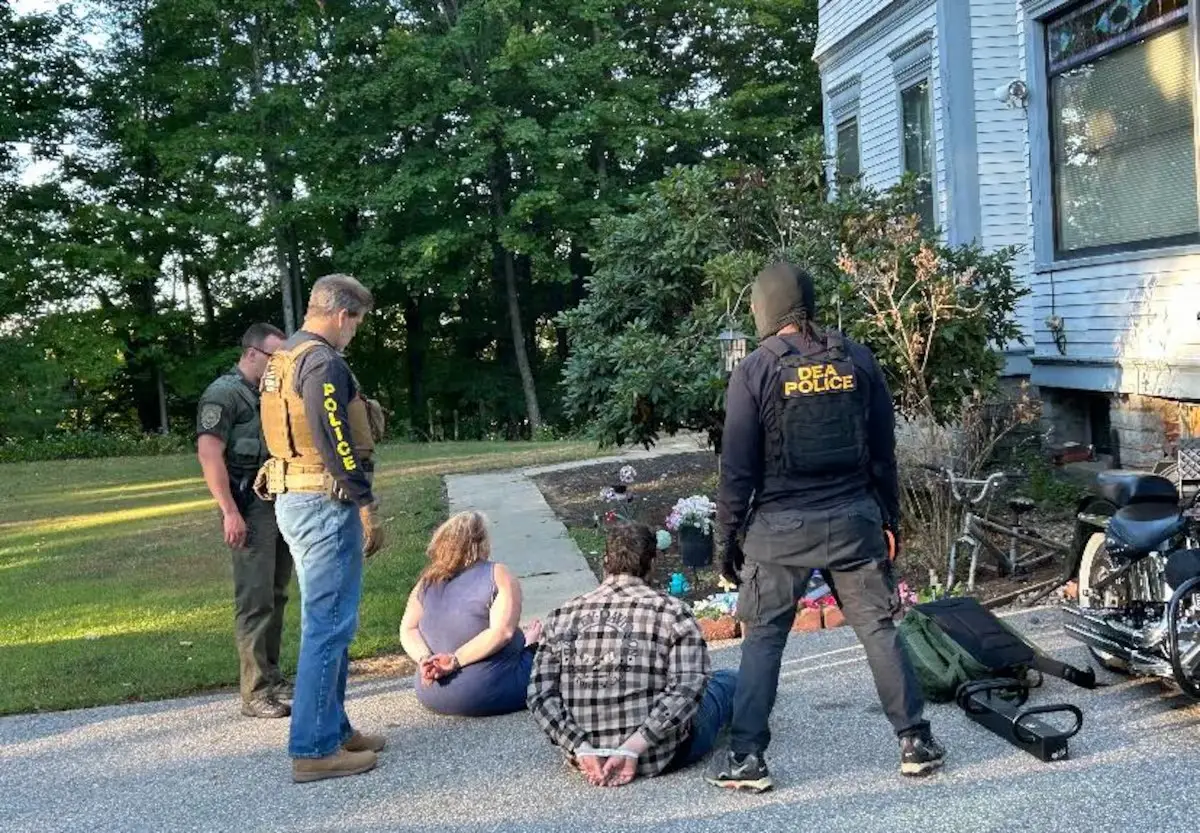

President Donald Trump’s escalating war against Latin American drug cartels came with unexpected force to this tree-lined, former industrial town in New Hampshire one late August morning, when heavily armed federal agents and local police launched a series of raids by throwing a stun grenade and breaking down a door.
The show of force was followed by an announcement from federal authorities: in coordinated raids across New England, they had seized more than 500 pounds of drugs and captured nearly 200 members of the feared Sinaloa Cartel, the violent criminal organization that supplies illegal drugs to the United States. Special Agent in Charge of the Drug Enforcement Administration’s (DEA) New England Division, Jarod Forget, stated that the operation “led to the arrest of 171 cartel members” throughout the region, including 27 in the town of Franklin. The DEA did not release the suspects’ names, but Forget described them as “high-profile arrests” that were part of a nationwide crackdown that, in five days, had captured more than 600 members of the feared organization. “We’re the DEA,” Forget said in an interview after the operation. “We don’t go after low-level, retail drug dealers.” But that wasn’t true.
An investigation by The Boston Globe’s Spotlight team found that many of the DEA’s targets in New England were precisely the people Forget said they didn’t go after: addicts, small-time dealers, shoplifters, and individuals living in homeless encampments.
The reporters contacted more than 75 state, local, and federal law enforcement agencies, reviewed more than 1,650 pages of court documents, filed more than 50 Freedom of Information Act requests, knocked on dozens of doors, and conducted dozens of interviews. The evidence made it clear that the government misrepresented the importance of its targets in New England at a time when the Trump administration was seeking to justify deadly attacks on suspected cartel vessels in the Caribbean Sea.
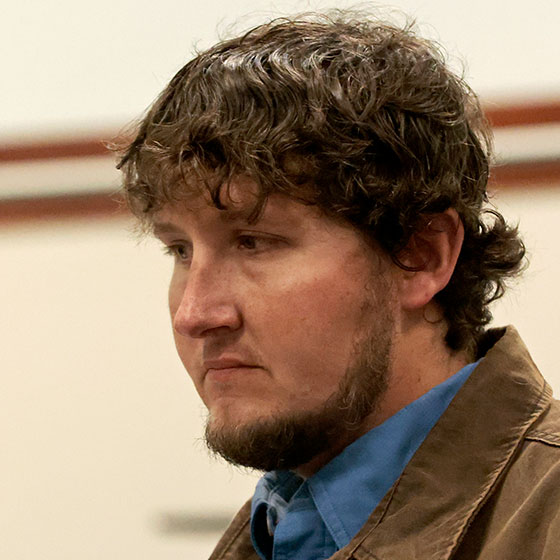
“I can guarantee he’s not part of the Sinaloa Cartel,” Scott Alati said of his son, Tyler, who was charged in Franklin state court with felony drug sales and immediately released without bail. “He’s not a high-ranking member of anything. He’s a high-ranking idiot.”
Most of those arrested and identified by the Spotlight team are victims of the fentanyl crisis, not kingpins profiting from it. Among them were a man accused of stealing Swiss rolls of chocolate and Jolly Ranchers candies from a Hannaford supermarket and a woman who allegedly crashed a car into a column at a local bank and fled the scene.
Some of the 171 people arrested had significant quantities of drugs, but neither court documents nor agency spokespeople provided evidence that they were high-ranking members of the notorious cartel. For many of the suspects, the only link to Sinaloa was that they used drugs the cartel may have helped smuggle into the country.
Last week, DEA officials said they could not comment on the Spotlight Team findings due to the government shutdown. Instead, they pointed to eight federal investigations that they said were part of the crackdown on the Sinaloa Cartel.
Source: elpais