
On social media, users are dubbing the Generation Z March the “National March” due to the participation of several states across the country.
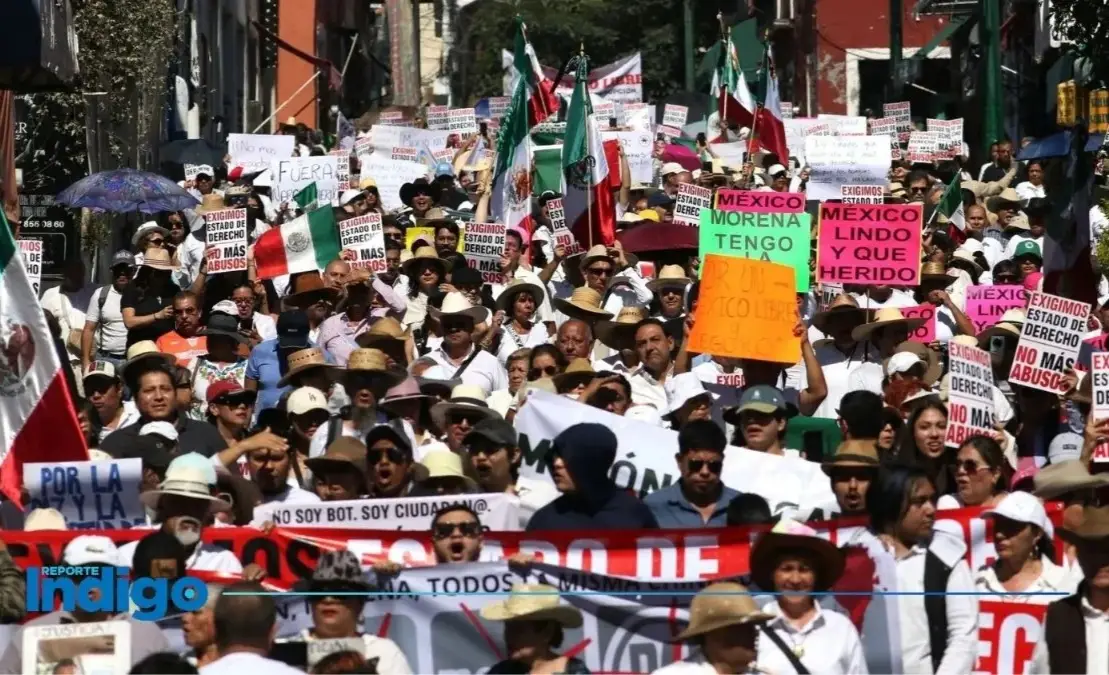
This Saturday, November 15, the Generation Z March took place in different parts of the country. The largest mobilization occurred in Mexico City, where thousands of people marched from early morning. On social media, users shared photos and videos showing how several cities joined this national protest.
Which states joined the march?
Throughout the day, marches were reported in different parts of the country. The posts show participation in the following states and cities:
Veracruz
Tampico
San Luis Potosí
Chihuahua
Morelia
Puebla
Nuevo León
Yucatán
Guanajuato
Irapuato
Celaya
Coahuila
Saltillo
Torreón
Morelos
Jalisco
Guadalajara
Aguascalientes
Baja California
Querétaro
Oaxaca
Tabasco
Durango
Sonora
Zamora, Michoacán
In each location, participants marched with banners, Mexican and One Piece flags, and sombreros, a symbol adopted by various groups to show support and unity. The marches varied in size, but all expressed discontent and social demands against corruption, insecurity, and drug trafficking.
How did the march progress in Mexico City?
In the capital, the march began at 11:00 a.m. at the Angel of Independence. Groups of young people, families, and senior citizens gathered early in the morning. The march proceeded along Paseo de la Reforma toward the Zócalo, Mexico City’s main square.
There were tense moments along the route. Demonstrators and police clashed at several points, especially near heavily guarded areas. Authorities erected metal barriers to protect historic buildings such as the National Palace and to restrict access to the Historic Center.
The atmosphere was a mix of chants, demands, and the presence of notable figures, such as Raquel Ceja, grandmother of the mayor of Uruapan, Carlos Manzo, who marched in a wheelchair and was accompanied by the participants.
What traffic disruptions were reported?
The march caused closures on Paseo de la Reforma, Avenida Juárez, and several streets in the Historic Center. Some Metro stations reduced their service or closed temporarily due to the march.
Alternative routes were recommended, such as Circuito Interior, Avenida Chapultepec, Eje 1 Oriente, and José María Izazaga. Many motorists had to adjust their routes due to the continued advance of the protesters.
Source: reporteindigo