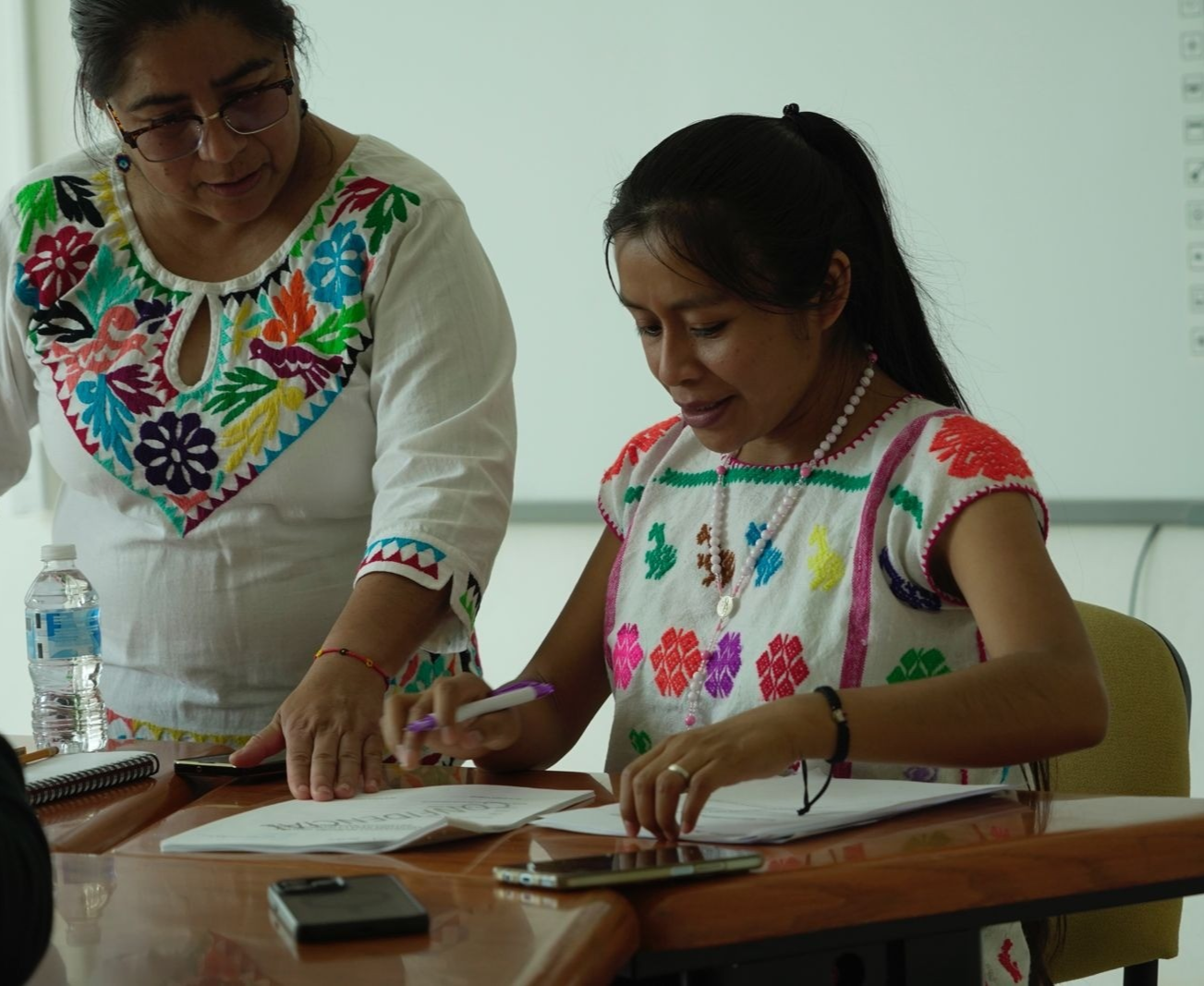

“A person’s life can depend on a good or bad interpretation,” says Rubí Huerta Norberto, an interpreter and speaker of the Purépecha language, during the evaluation session to certify interpreters of national indigenous languages in Oaxaca. In Mexico, there are only about 2,000 interpreters of indigenous languages.
The interpreter explained that having access to interpreters is a human right, and therefore, it is necessary to provide ongoing support to these individuals, especially in the contexts of migration and the justice system that indigenous communities in Mexico face.
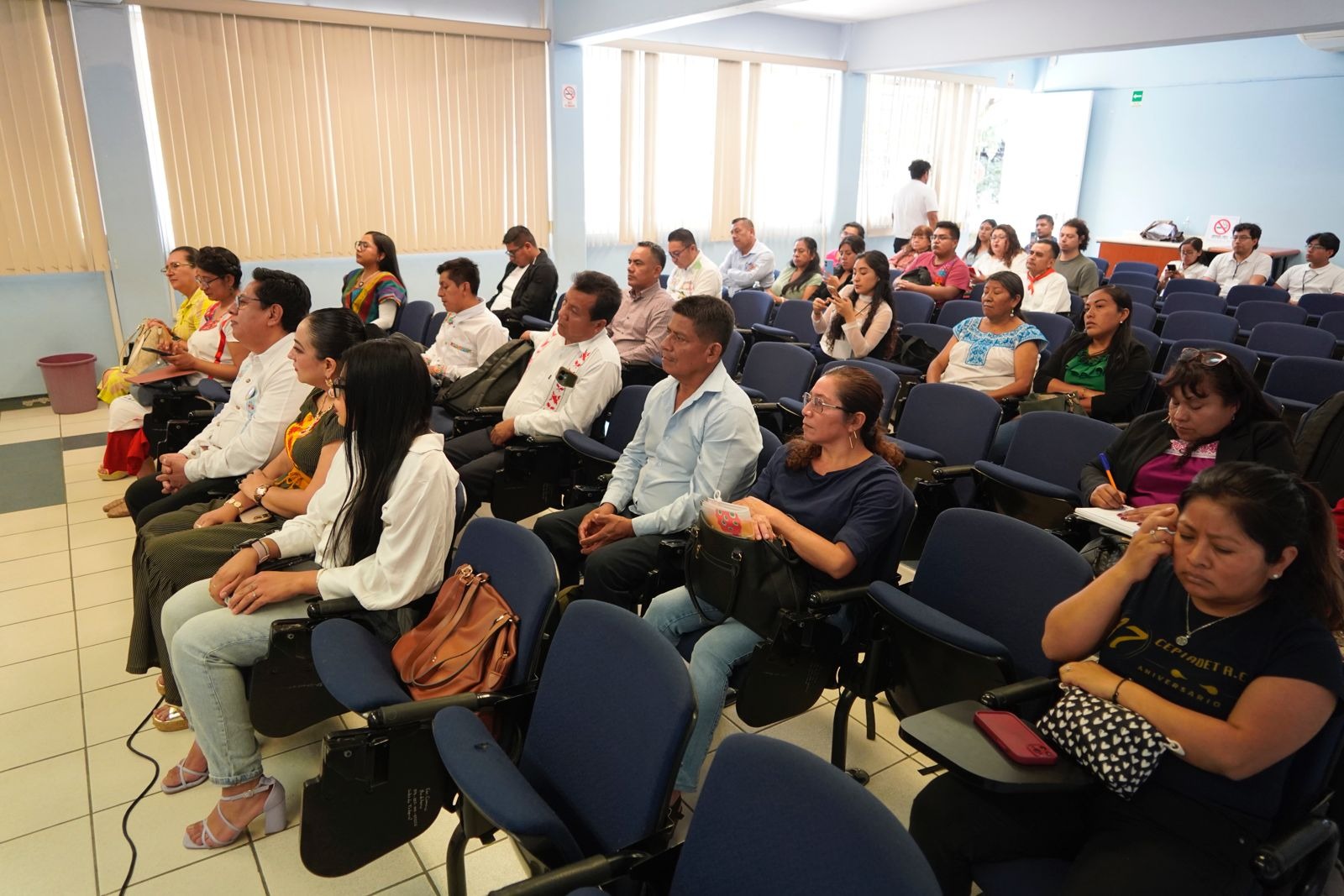
In this regard, 80 speakers of indigenous languages participated in the certification process for national indigenous languages, aimed at strengthening linguistic rights in Mexico, in accordance with the General Law on the Linguistic Rights of Indigenous Peoples.
The evaluation was diagnostic in nature, its purpose being to identify areas for improvement and ensure subsequent training processes, where the work of interpreters is indispensable for the State to guarantee access to justice, health, education, and public services in Indigenous languages.
In Mexico, it is estimated that there are only about 2,000 interpreters for various systems, according to the National Registry of Interpreters and Translators in Indigenous Languages (PANITLI) of the National Institute of Indigenous Languages (INALI).
For example, the health system has only 406 interpreters, social programs have 294, and there are only 12 registered interpreters providing translation services between Spanish and Indigenous languages in the area of law enforcement and administration of justice. This number represents the entire country.
The number of interpreters is minimal in contrast to the size of the Indigenous population. In 2023, in Mexico, 7.4 million people aged 3 and older speak an indigenous language, according to the latest INEGI report on the indigenous population.
The states with the highest percentage of people from an indigenous community are: Oaxaca with 26.3 percent; Yucatán, 24.3 percent; Chiapas, 22.4 percent; Guerrero, 13.5 percent; and Quintana Roo with 12.9 percent.
In this context, Tomás López Sarabia, president of the board of directors of the Indigenous Professional Center for Consulting, Defense, and Translation (CEPIADET), noted that certification has emerged as a necessary mechanism to guarantee legal certainty and respect for the rights of indigenous people, especially within state justice systems.
The lawyer, activist, and interpreter acknowledged the long struggle for recognition of interpreting work and emphasized the urgent need to move toward fair compensation, “raising awareness among justice system personnel, and developing specialized training programs on topics such as health, enforced disappearance, and torture.”
The certification assessment was attended by people from at least 15 states and speakers of approximately 36 linguistic variants.
The participants were convened by the Autonomous University Benito Juárez of Oaxaca (UABJO); the Indigenous Professional Center for Consulting, Advocacy, and Translation (CEPIADET); and a member of the National Network of Interpreters and Translators of Indigenous Languages (RENITLI), with funding from the National Institute of Indigenous Peoples (INPI). The assessment methodology and certificate issuance were handled by the National Institute of Indigenous Languages (INALI).
Source: oaxaca.eluniversal