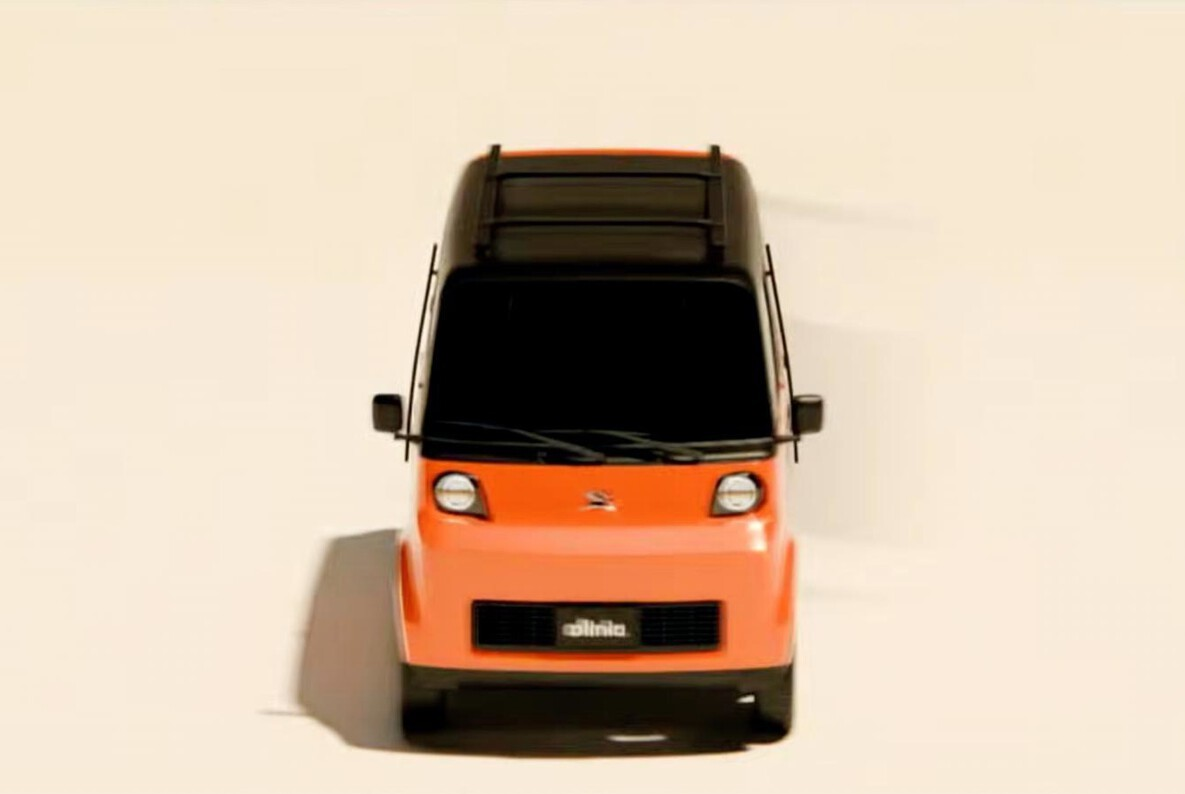

Imagine stepping outside to grab your tlayuda for dinner and, instead of the usual noisy mototaxi, being picked up by a silent, modern electric vehicle. It sounds like science fiction for a state full of contrasts, but that is exactly the idea already being discussed by the government of Oaxaca. The national car project, Olinia, not only aims to change the way people move through the country’s major cities, but also wants to reach deep into the veins of popular transportation. The proposal sounds ambitious and breaks completely with what we know about mobility in regions where traffic chaos dominates daily life.
But the proposal goes beyond simply replacing vehicles for regular passengers in working-class areas. The state government wants the whole package and plans to officially apply to become the production hub for Olinia, according to reports from El Imparcial. The governor of Oaxaca sees this prototype as a golden opportunity to place the region on the map of electromobility and technological manufacturing. The idea of seeing these vehicles produced locally has generated enormous expectations within the industrial sector of southern Mexico. It would represent a historic milestone for a region that has traditionally been left out of the country’s major automotive projects.
The main goal of this strategy is aimed directly at the streets of Juchitán, where mototaxis rule everyday transportation. These small three-wheeled vehicles are essential for thousands of users, but they also come with a long list of safety and regulatory problems. The arrival of compact electric vehicles specifically designed for collective transportation promises to completely transform the image of these communities. It would represent a massive technological leap for a transportation system born out of informality and now in urgent need of real regulation and modernization.
However, behind the enthusiastic speeches and political announcements lies a colder reality that tempers some of the excitement surrounding the project. So far, the state plan lacks concrete financial figures, confirmed locations for an assembly plant, or formal agreements with investors in the automotive sector. There is no public information about potential tax incentives or the technical infrastructure required for an operation of this scale. Building a car factory requires a highly complex industrial ecosystem that the state has not yet fully developed. The political enthusiasm is clear, but the machinery and contracts are still missing.
The energy challenge is also the elephant in the room that nobody can ignore at this stage of the discussion. A high-tech automotive plant consumes enormous amounts of electricity and requires stable, high-capacity power distribution networks. In addition, if the goal is to fill the streets with electric cars, the state will need a public network of fast-charging stations that simply does not exist today. Ordinary drivers need the certainty that they will not be stranded halfway down the road because there is nowhere to recharge. The green transition requires a multimillion-dollar investment in basic urban infrastructure before it can truly succeed.
On the other hand, the real heart of this story is not technical, but deeply social and economic. Thousands of Oaxacan families survive day to day thanks to the income generated by traditional mototaxis in their neighborhoods. Replacing those vehicles with electric units would require an extremely complex negotiation process with unions and local transportation leaders. Drivers would need affordable financing programs to purchase this new Mexican technology without destroying their household economies. Transportation cannot be modernized if the most vulnerable sectors are left behind in the process.
Despite all these uncertainties, the Olinia project remains a powerful symbol of national pride and an effort to democratize clean energy in Mexico. The idea of a car conceived, designed, and assembled by Mexican hands touches a very sensitive chord among the public. The governor insists that seeing these cars circulating through local streets would become a source of enormous collective pride. The commercial viability of a mass-market electric vehicle still sparks debate among industry specialists, but many acknowledge that the project has succeeded in pushing the public conversation forward.
The future remains uncertain, but the announcement has already sparked an important debate about the direction of everyday mobility in Mexico. Oaxaca is daring to dream big by seeking a place on the map of automotive production in the new ecological era. The road from political speeches to reality is filled with economic, political, and social obstacles that will not be easy to overcome. Time will tell whether the project has enough strength to convince transportation workers and truly transform the streets. Would people embrace an Olinia for their daily commute, or is the traditional mototaxi too deeply rooted to disappear?
Source: xataka