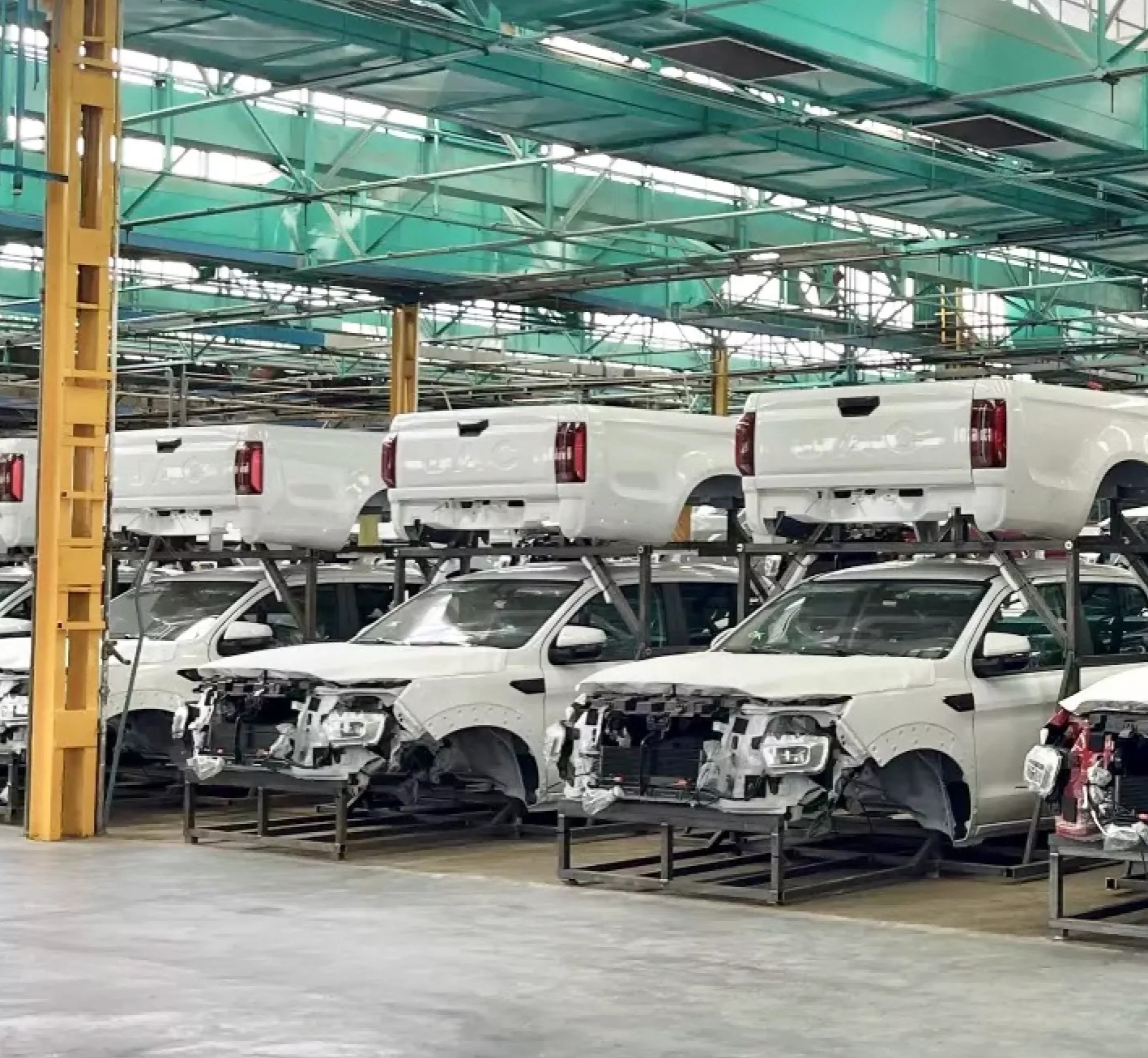

The news of a possible tariff of up to 50% on vehicles, auto parts, and motorcycles from countries without a free trade agreement has set off alarm bells for virtually all Chinese brands selling in Mexico. But in Ciudad Sahagún, Hidalgo, the reaction is different. JAC, the only Chinese firm with an assembly plant in the country, will not only be spared the fiscal blow, but its plant has also begun attracting the attention of competitors seeking refuge from the measure.
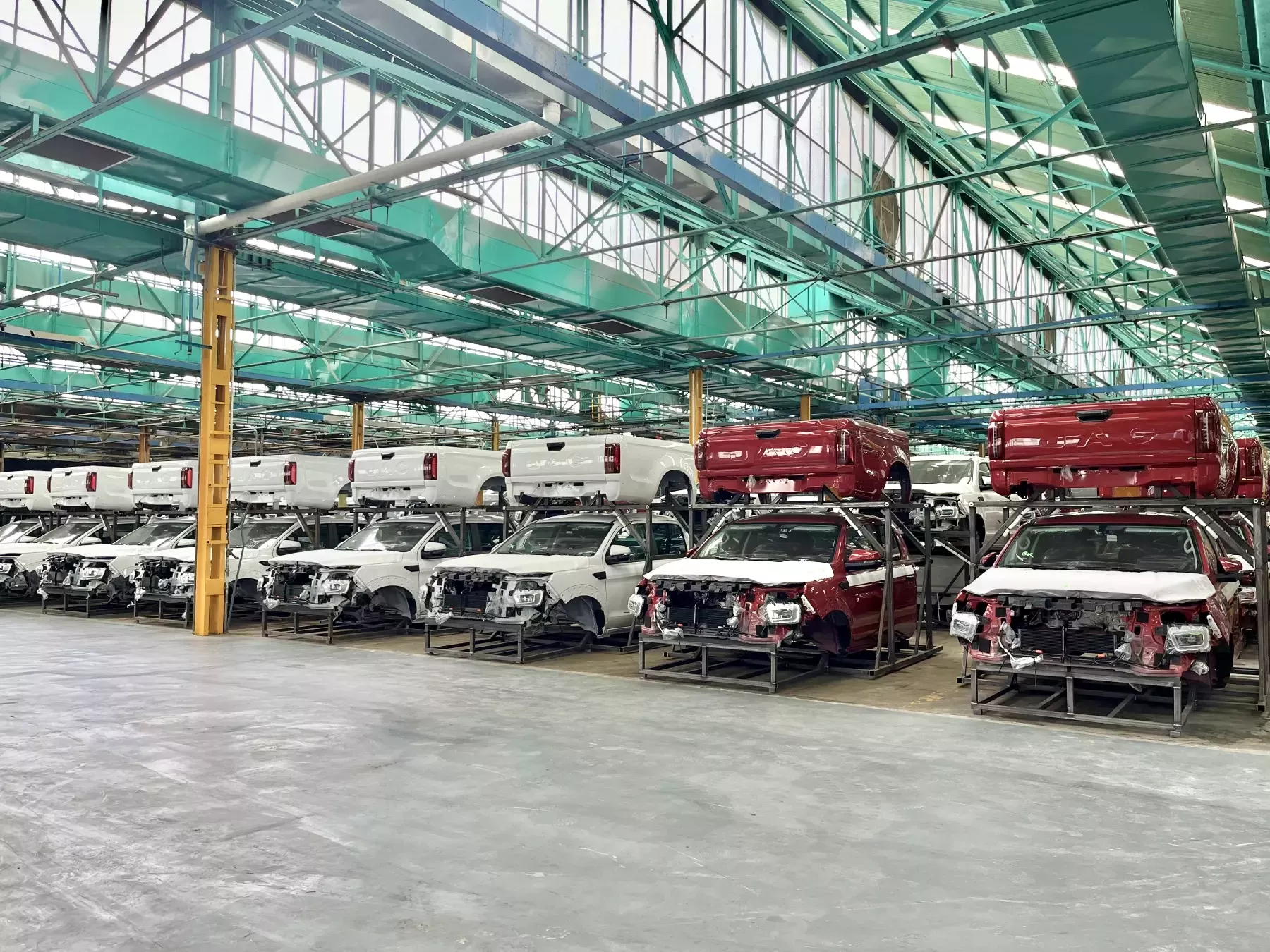
The Ministry of Economy is developing a stricter policy to promote local integration and reduce dependence on pre-assembled platforms from China. This decision puts pressure on practically all Asian brands, with one exception: JAC, which has operated under an SKD (Semi-Knocked-Down) system since 2017, a system that, paradoxically, is now working in its favor.
The brand arrived in Mexico with a small volume, closing its first year with just over 1,000 assembled units. Eight years later, installed capacity is around 60,000 units per year.
Several federal government mechanisms allow for these types of exemptions, such as the IMMEX program, Prosec, and the Eighth Trade Law, in exchange for job creation in the country. This has made JAC the only Chinese brand that currently enjoys this competitive advantage over its compatriots and manufacturers from other countries.
“The number of models imported from countries without free trade agreements, from all brands—not just Chinese—and the level of impact this will have on those with plants in Mexico, how many quotas they can utilize… It’s very interesting,” explains Isidoro Massri, CEO of JAC Mexico, in an interview.
In June of this year, 3 billion pesos were announced for the complex, aimed at doubling its production capacity from four to eight lines, as well as adding a 15-hectare logistics yard. In total, the site will cover 300,000 square meters.
Although the company follows the SKD (Semi-Knocked Down) production model, meaning most of its main components come from its country of origin, it sources between 25 and 30% of its parts from Mexico, which has also strengthened its protection against tariffs.
“We have a lot of suppliers; I could say close to 300 Mexican suppliers, both national and local. Many for after-sales, localization of after-sales parts, consumer goods, services—everything that flows smoothly. There’s a lot of localization there,” Massri explains.
This position has led eight different automakers to approach JAC with the intention of exploring a shared assembly model at its complex. However, the executive doesn’t believe this is likely to materialize, as it’s not the brand’s goal.
“We are JAC, and we’re not going to share something we’ve been working on for years just because it’s more expensive now. The plant isn’t our core business. The plant is the element that demonstrates the investment, the adaptation to local conditions, and the localization of components that have made JAC the brand it is today. It’s not as easy as simply manufacturing for third parties; that’s not our objective,” he explains.
Today, the company focuses solely on the local market, and from the executive’s perspective, this has worked in its favor: “assembling in Mexico, for Mexico, and by Mexico,” he emphasizes.
Although Massri acknowledges the possibility of exporting to other regions—especially now that new investments will allow the plant’s capacity to grow to 100,000 units if demand requires it—exporting isn’t the goal either, as their focus remains on the country.
“There are possibilities, but we’re not actively pursuing them. The JAC Latin America summit was held recently. Representatives from 20 Latin American countries attended, all with tariffs from China and zero tariffs from Mexico, and all wanting to import products. But the model would change significantly, and the plant’s focus is on what the customer needs in, for example, November in Mérida, Tijuana, Guadalajara, or Mexico City,” he concludes.
Source: expansion