
Farmers and indigenous people from the Sierra Madre region of Chiapas protested to the federal and state governments about the lack of road repairs, which hinders the transport of their crops, primarily coffee and corn, and disrupts the daily lives of dozens of communities.
Grouped under the organization Indigenous Producers and Foresters of the Heart of the Sierra, they stated that they have submitted formal written requests regarding the deterioration of the roads—which have been without maintenance for over a decade—but have been ignored.
Juan Carlos Chavez Zunun, the association’s legal representative, explained that in recent years the inhabitants of the Sierra region—comprising some 20 municipalities—suffered from insecurity and neglect, and even now that security has improved, the neglect persists.
The representative displayed the letters dated August and October sent to the Chiapas government requesting mediation with the Ministry of Infrastructure, Communications and Transportation (SICT), but the response has been nothing more than promises of meetings.
“We gave our votes to the new federal and state authorities so they would work for the people, but unfortunately, they have been shirking that responsibility,” he accused.
He mentioned that last October they held a meeting with the state’s Undersecretary of Government, Jorge Enrique Hernández Bielma, who promised to arrange a meeting with the SICT (State Infrastructure and Communications Commission), but they are still waiting.
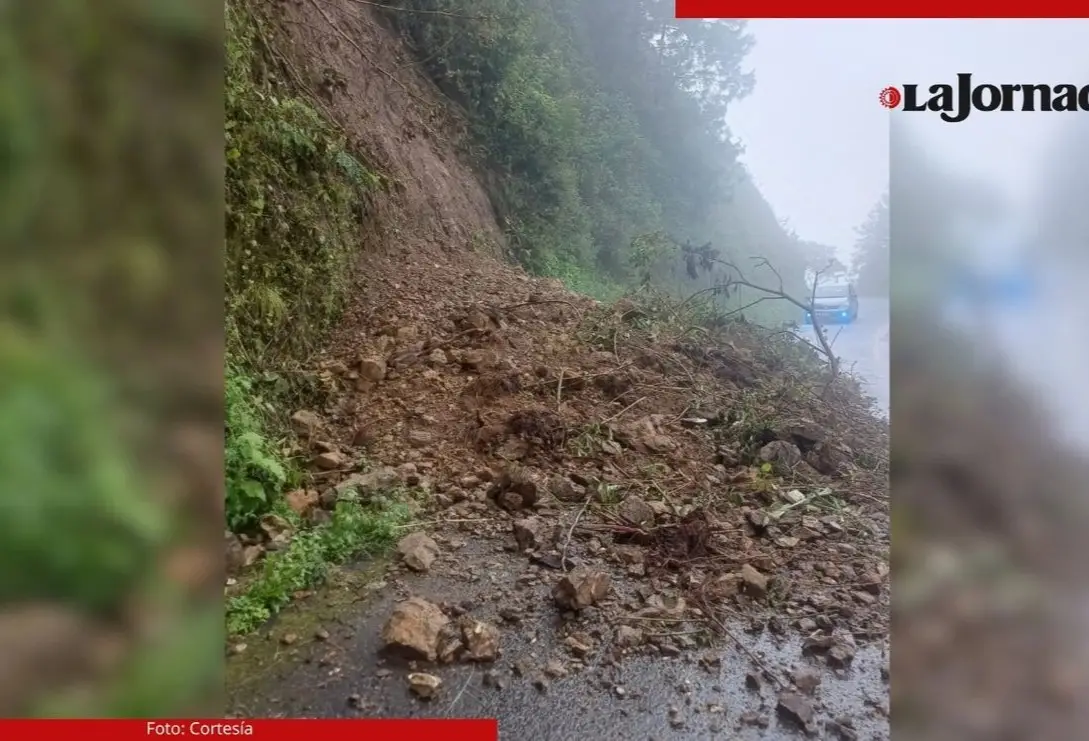
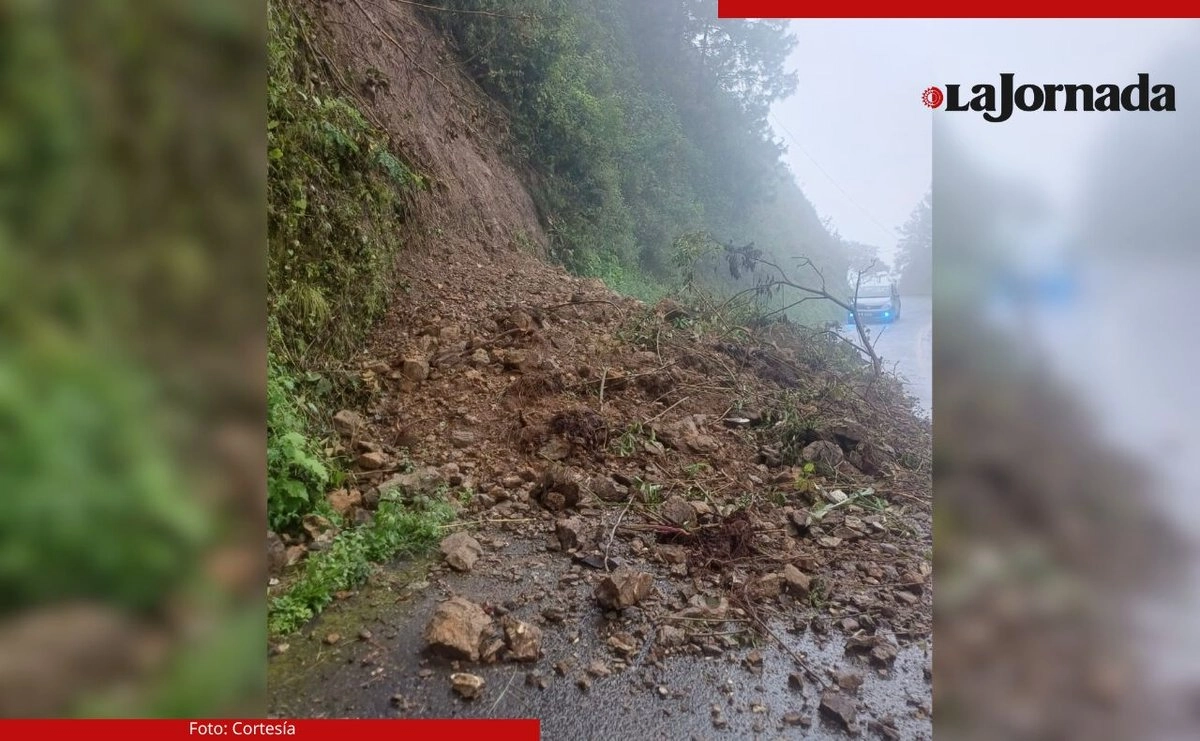
He said that the rainy season, which ended just last November, worsened the condition of the roads, including areas with landslides and sinkholes, so farmers have had to use their own resources to “partially repair” the roads, putting their safety at risk due to the lack of equipment and materials.
He explained that the most damaged section is a 13-kilometer stretch between the ejidos (communal lands) of San José Ixtepec and Belisario Domínguez, in the municipality of Motozintla, a road that connects other towns in the Sierra Madre region of Chiapas, and that a collapse of this road would leave dozens of communities isolated.
He reiterated that the region’s residents depend on selling their crops for their livelihood, and that the inability to transport them to other municipalities or states due to the deplorable condition of the roads would severely impact their economy.
“We see that in many communities across the country, many indigenous communities, the roads of the Fourth Transformation have arrived, but they haven’t reached San José Ixtepec, this area in the mountains. The neglect of our Sierra Madre in Chiapas is already too much,” he concluded.
Source: jornada