
Mérida officially became the first Mexican city to join the Global Initiative for the Humane Management of Dog and Cat Populations, led by the International Companion Animal Management Coalition (ICAM).
The organization, headquartered in England, brings together world-renowned institutions dedicated to animal welfare, such as the International Humane Society and the Royal Society for the Prevention of Cruelty to Animals.
For Mérida, explains Raúl Escalante Aguilar, director of the Environment and Animal Welfare Unit of the Mérida City Council, this recognition is the result of years of sustained work.
“Mérida is thus setting a precedent because it becomes the first Mexican city to join the global initiative for the humane management of dog and cat populations.”
He further explains that ICAM evaluated the city’s leadership based on key indicators related to public health, investment, citizen education, population control, and regulatory updates.
Cities joining the Positive Cities program, she adds, must commit to a model of responsible coexistence. “Cities that join the Positive Cities program commit to creating healthy, safe, and compassionate environments not only for animals, but also for people.”
The international recognition awarded to Mérida by the International Coalition for Companion Animal Management (ICAM) reflects not only its adherence to global standards, but also the consolidation of local actions that have been transforming urban wildlife care and management for years.
With ongoing programs, veterinary infrastructure, and an increasingly professionalized intervention model, the city is building the foundations of a public policy that seeks to balance community health with animal welfare.
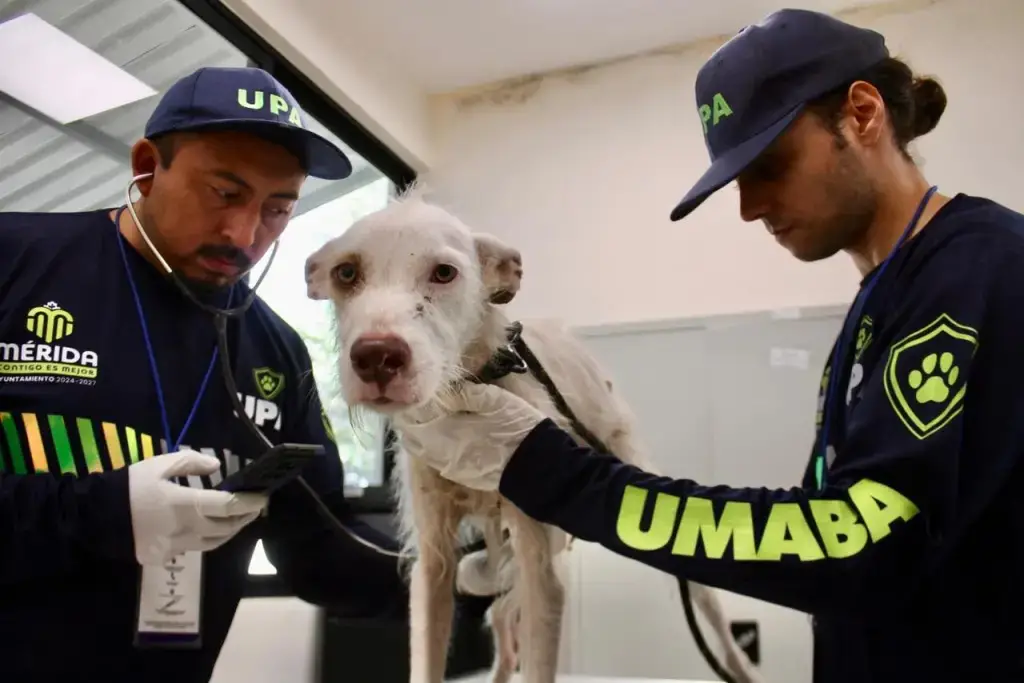
Among the criteria that led to the recognition are the rabies vaccination campaigns using the mobile sterilization unit (Esterimóvil); the operation of the Animal Protection Unit, which handles reports and applies sanctions; and the progress of the municipal registry, which now includes microchips for adopted animals and ear tags for dogs and cats cared for on the street.
Mérida was also evaluated for its service infrastructure, such as the veterinary clinics in the Chichén Itzá and Yucalpetén neighborhoods, which serve more than a thousand people a month with free or low-cost sterilizations.
“Talks on responsible pet ownership, visits to schools, and training for veterinarians are also part of the indicators,” points out Raúl Escalante Aguilar, director of the Environment and Animal Welfare Unit of the Mérida City Council.
The municipality will have to undergo evaluations every three years to measure progress, identify areas for improvement, and maintain its status within the coalition.
According to the official, Mayor Cecilia Patrón Laviada received the recognition from the director of ICAM, Elly Hiby.
Regarding the local regulatory framework, the City Council is already working on updating the Wildlife Protection Regulations.
“Today, in actual operations, we’ve already identified many things that need to be included, which would help us do our job better.” The new version, he says, will incorporate measures for wildlife and guidelines for managing feral dog packs.
Regarding short- and medium-term goals, Escalante Aguilar highlights the four pillars of the municipal program: education, sterilization, adoption, and regulation.
Within this framework, the plan is to strengthen the animal identification registry with the goal of making it mandatory. “The idea is gradual and growing… until it becomes mandatory.”
Mérida is also preparing to launch the “Mi Huellita” (My Little Paw) app in 2026 to help locate lost animals, and will continue expanding projects like “De la calle al corazón” (From the Street to the Heart), which trains rescued dogs to provide emotional therapy to children.

Source: yucatan