
The state offers a wide variety of natural, cultural, entertainment, and even themed attractions, making it ideal for visiting—even multiple times—in 2026.
In an interview with Roberto Monroy García, head of the Michoacán Tourism Secretariat, he shared five experiences you can’t miss this year.
Monarch Butterfly Sanctuaries in Michoacán
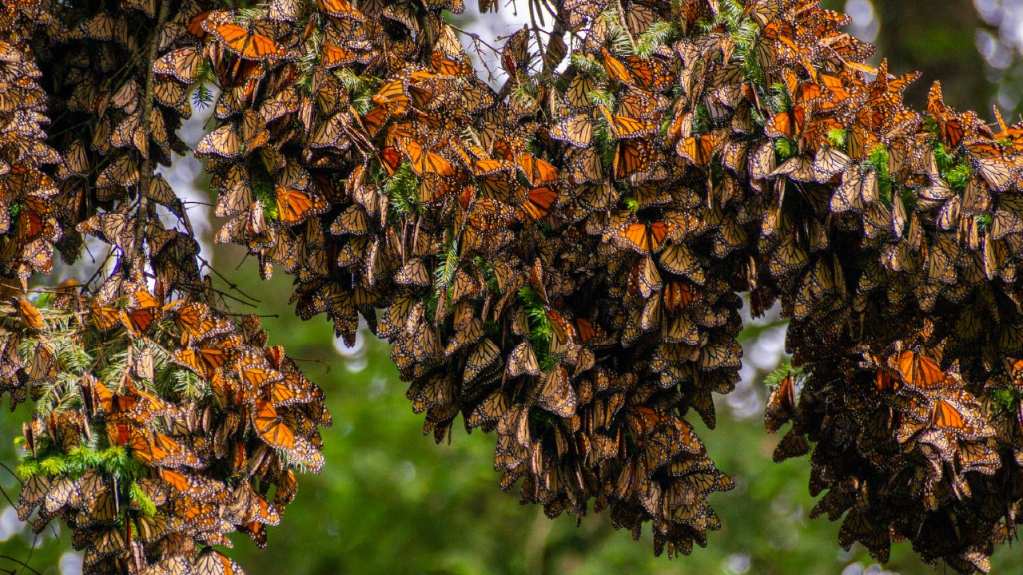
Every winter, the forests of eastern Michoacán become a temporary refuge for the monarch butterfly, which migrates to escape the extreme cold in the United States and Canada.
Monroy García describes this migration as “the most important in the world, with nearly 200 million butterflies,” which can be observed in the state’s three sanctuaries: Sierra Chincua, Senguio, and El Rosario, all part of the Monarch Butterfly Biosphere Reserve (a World Heritage Site).
The experience consists of walking or riding a horse through the forest (for no more than 20 minutes) to observe them nesting in tree trunks or flying energetically—depending on the season.
The ‘Eternal Christmas’ in Michoacán
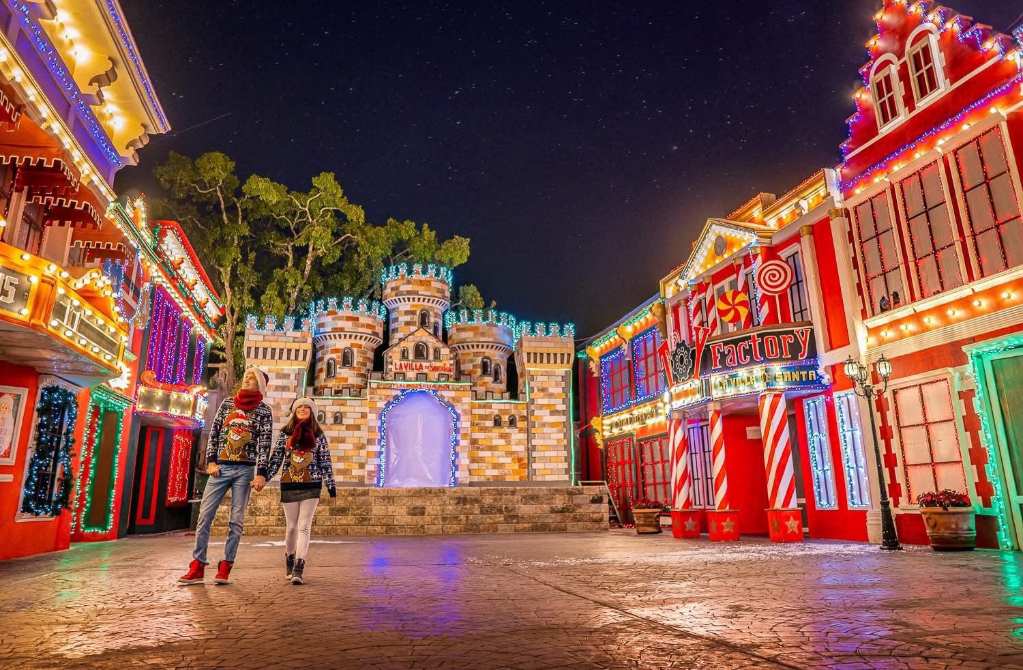
Next to Chignahuapan (Puebla), the magical town of Tlalpujahua is known as the ‘town of eternal Christmas,’ as it boasts many artisan workshops that produce ornaments and various decorative items special to this season.
Although Roberto Monroy García recommends visiting “year-round for its climate and cuisine,” the Christmas spirit intensifies during the last three months of the year with the Ornament Fair, “the largest in Mexico.”
During this event, artisan stalls are set up in the streets and plazas of the town center, where these decorations in diverse shapes, colors, and textures are displayed.
At the same time, Monroy invites visitors to “stroll through the town, savor a traditional Mexican coffee, visit the Parish of Our Lady of Mount Carmel, the Rayón brothers’ house/museum, and admire the artisanal work of crafting the glass spheres.”
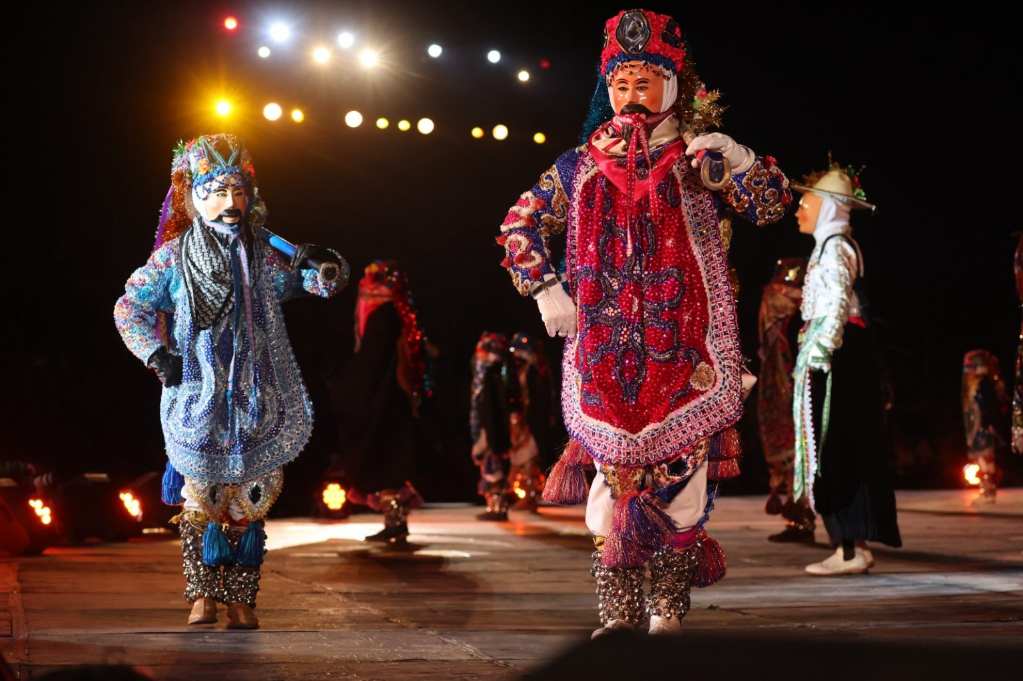
For the past four years, the magical town of Tzintzuntzan has organized K’uinchekua, a festival that brings together the traditions of Michoacán’s indigenous communities at one of the most important ancestral sites in the lake region.
The Las Yácatas archaeological zone, the “main Purépecha ceremonial center,” according to the state tourism secretary, is the setting for dances, rituals, ceremonies, music, and traditional dances performed by “more than 400 artists and cultural bearers from all the ethnic groups (Purépecha, Otomi, Mazahua, and Nahua) and regions (Sierra, Ciénega, Lacustre, Cañada, Tierra Caliente of the Apatzingán Valley, and Tierra Caliente of Huetamo) of Michoacán.”
Some of the festival’s performances include: the bakers of Tarecuato, the Tlahualiles of Sahuayo, the Kurpites of San Juan Nuevo, the Fish Dance, the Uárhukua players (a pre-Hispanic ball game), the dancing horses of Tierra Caliente, and the old men of Jarácuaro.
Roberto Monroy García shares that the presentation has been held in this format (a show of approximately two hours) for the past four years and invites everyone to experience it, as “it’s an event that hasn’t received much attention.”
Michoacán International Film Festival
If you’re a film buff, the Morelia International Film Festival should be a must-see on your 2026 bucket list. Monroy García describes it as “the most important film festival in Latin America.”
“It has become a prelude to the Oscars” and one of the main attractions of the state capital, as it serves as a showcase where renowned producers, directors, actors, and actresses present their films.
“It’s a full week with major screenings of short films, documentaries, premieres, and cult classics, as well as workshops, talks, conferences, and lectures by leading figures in the film industry.”
Day of the Dead in Michoacán
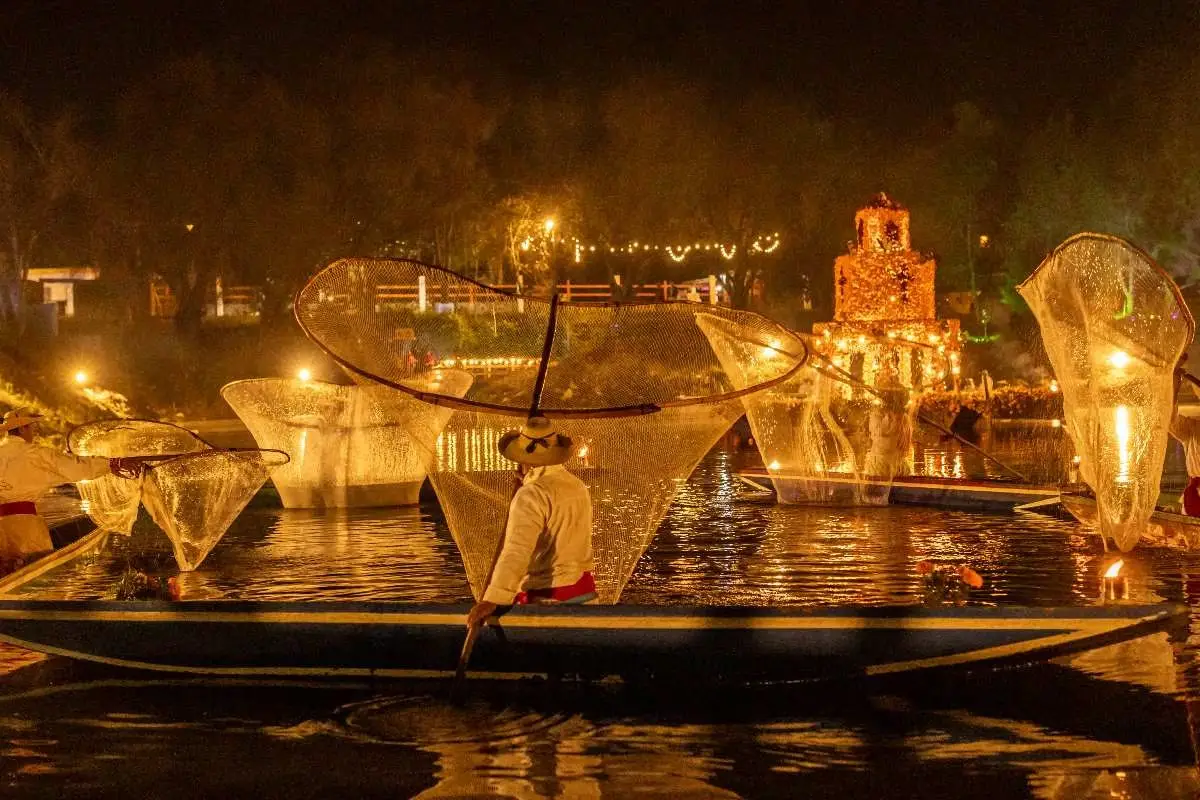
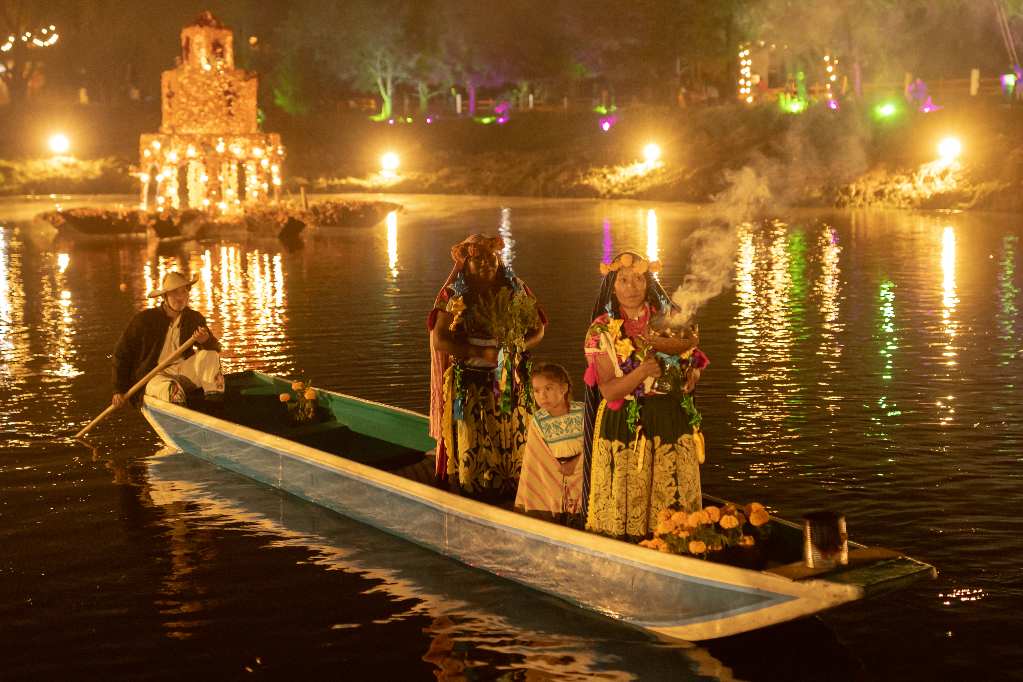
The Night of the Souls (equivalent to Day of the Dead) is one of the main expressions of tradition and culture in Michoacán, as well as one of its biggest tourist attractions thanks to its profound and captivating customs.
The shores of Lake Pátzcuaro and its four municipalities (Pátzcuaro, Erongarícuaro, Quiroga, and Tzintzuntzan) are the epicenter and, it is said, the origin of this world-renowned festival.
A few days before the Day of the Dead, the towns along the lake organize special experiences such as workshops on crafts, gastronomy, and altar building. On November 1st and 2nd, it is common to visit local cemeteries (such as those on the island of Janitzio or in Pátzcuaro) to see the colorful tombs and the rituals performed by the residents in honor of their deceased loved ones.
However, the large crowds overwhelm the cemeteries, so Roberto Monroy García, Secretary of Tourism for Michoacán, recommends those in Arocutin, Cucuchucho, Oponguio, and Ihuatzio: “They are beautiful places, where there are fewer people and you can appreciate this celebration much more closely.”
Source: eluniversal