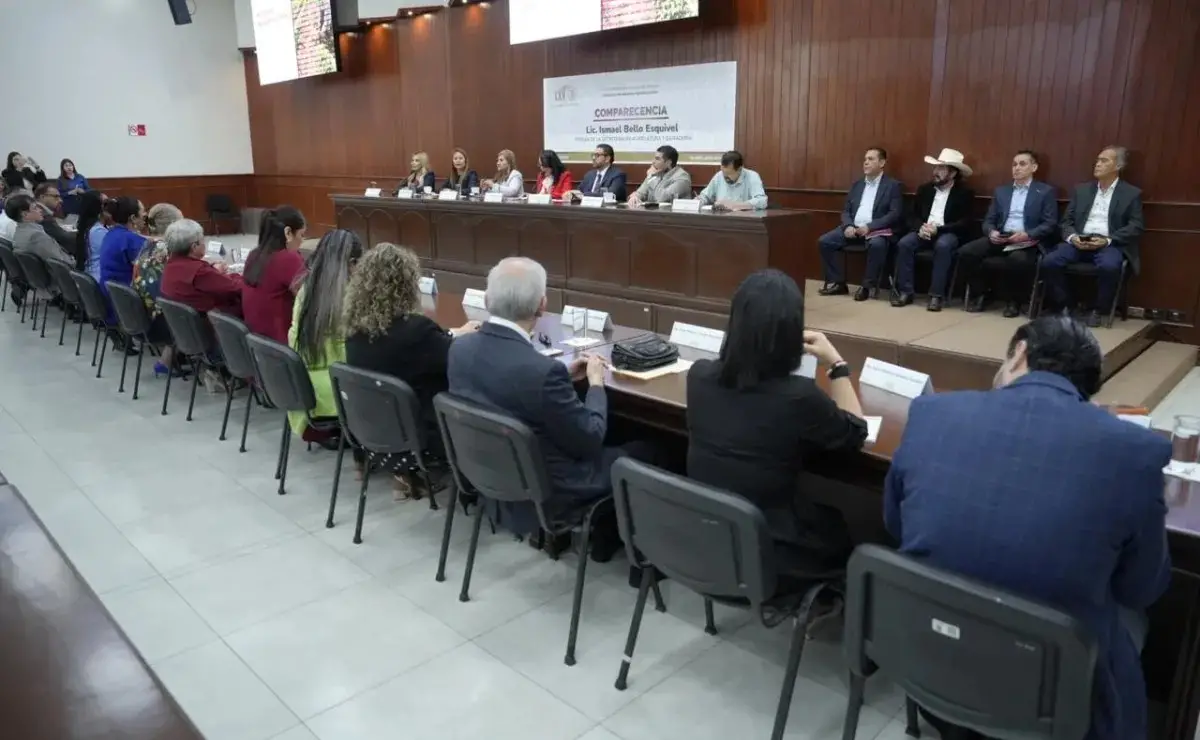

Sinaloa has a state protocol, independent of the Federal Government, for the prevention and control of the screwworm. This protocol will be elevated to a state executive agreement, to be issued by Governor Rubén Rocha Moya, with the goal of giving it legal force and mandatory application throughout the state, reported Ismael Bello Esquivel, Secretary of Agriculture and Livestock.
This protocol, which operates independently of federal actions, focuses on protecting the health of Sinaloa’s livestock against zoosanitary risks of international origin, reinforcing herd safety and the stability of the productive sector.
Surveillance strengthened after nationwide detection of screwworm
Since the detection of the first screwworm case in Catazajá, Chiapas, in November 2014, the state administration has ordered thorough inspections of livestock entering Sinaloa and authorized an investment of 10 million pesos to strengthen the inspection infrastructure at the La Concha I and II corrals.
Thanks to these measures, Sinaloa has not registered any cases of screwworm, a result of ongoing inspections at livestock pens, checkpoints, and strict controls at the state’s entry points, the official emphasized.
Executive Agreement Gives Legal Force to the Sanitary Protocol
Bello Esquivel explained that the screwworm is a highly complex parasite, especially in its moth stage, as it can travel great distances and cause severe damage to livestock.
By elevating the protocol to an executive agreement, the Government of Sinaloa guarantees that the preventive measures will be mandatory, strengthening the protection of livestock profitability, meat production, and the state’s rural economy.
The State Government maintains ongoing coordination with the Livestock Committee and the Livestock Union, headed by José Alfredo Sánchez, to reinforce sanitary surveillance and ensure the proper implementation of the protocol.
These actions, the secretary noted, allow Sinaloa to maintain its position as a producer of high-quality livestock, with the capacity to face health threats without affecting its competitiveness in national and international markets.
The official highlighted Governor Rubén Rocha Moya’s commitment and the private sector’s dedication to adapting to animal health risks, emphasizing that screwworm prevention is a strategic priority for the state.
The protocol includes periodic inspections of livestock pens, traceability of cattle, monitoring of each animal entering the state, and training for producers in the early detection of symptoms. With its implementation as an executive agreement, Sinaloa reinforces its status as a screwworm-free state, protects the sector’s income, and strengthens livestock health security.
Source: debate