
The Association of Haciendas and Mansions of Jalisco is preparing to capitalize on the economic impact of the World Cup in the state, not only in the main tourist centers but also in destinations in the interior that anticipate a significant increase in hotel demand. This surge will be driven by both national and international visitors, as well as residents of the Guadalajara metropolitan area seeking quieter options during the month of the tournament.
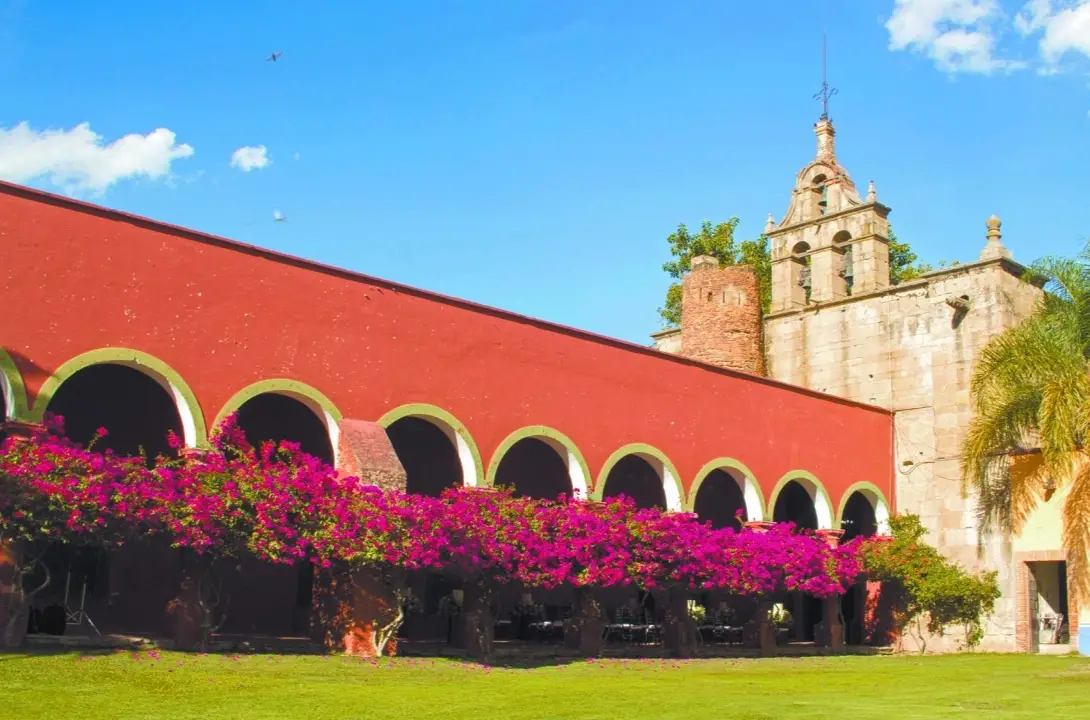
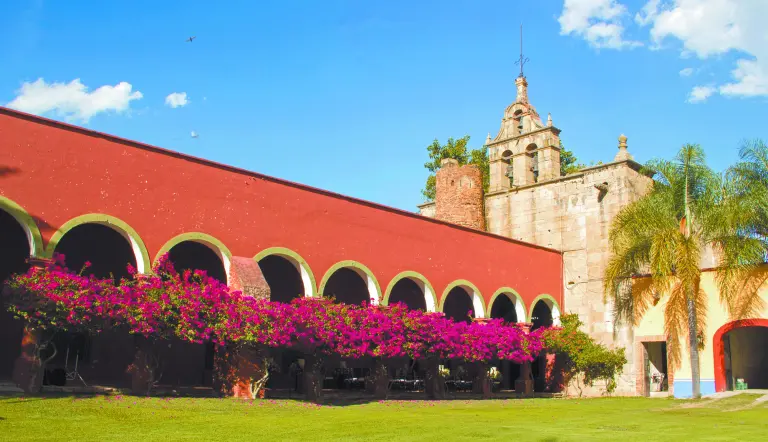
Currently, the association comprises 43 hotels distributed across 23 destinations in Jalisco, organized into five regions: Mountain, Highlands, Valleys, Coast, and Central. The offerings include haciendas, manor houses, nature-based hotels, cabins, and boutique hotels, totaling 814 rooms and employing more than 200 people, solidifying its position as a key player in the state’s tourism sector.
Over the past two years, the association has added eight new hotels, strengthening its presence in strategic destinations such as Puerto Vallarta, Costalegre, Guadalajara, Ajijic, and Tequila. With this move, the association expanded its portfolio to include both beach destinations and Pueblos Mágicos (Magical Towns) and inland locations, which are emerging as a key alternative to the anticipated hotel saturation in Guadalajara during the World Cup.
“Hotels in Guadalajara will be at full capacity, but so will those in Tequila and Ajijic. At the same time, many city residents will be looking to escape to destinations like Mazamitla, Tapalpa, or the beach, which opens up a great opportunity for hotels in the interior of the state,” Sergio Montaño, the association’s outgoing president, told El Economista.
In terms of performance, the organization closed 2025 with an average occupancy rate of 38%, a level the sector considers healthy for these types of hotels, with higher occupancy on weekends. However, the expectation for 2026 is to surpass that figure thanks to the World Cup and generate positive momentum that will continue in the following months.
The association reports a cumulative increase of 14% in rates over the last two years, with a current average rate of 2,700 pesos, reflecting a strategy focused on strengthening the value of the experience and the profitability of the establishments.
With Esther Morales assuming the presidency of the association for the 2026-2028 term, the focus will be on consolidating the model, preserving the historical and cultural heritage of the haciendas and manor houses, and on orderly expansion in coastal destinations and Pueblos Mágicos (Magical Towns).
The new president of the association highlighted that one of the main challenges for the sector is the labor shortage, a problem that affects a large part of the hotel industry nationwide.
“It’s incredible that in a state like ours we have labor problems. It’s a huge challenge not only for haciendas and manor houses, but for many hoteliers as well, that there isn’t enough staff to be able to organize ourselves much better,” the businesswoman stated.
Despite this, Esther Morales emphasized that the association, with 25 years of experience, remains a national benchmark for associationalism, a model that has even been replicated in other states such as Puebla, Tlaxcala, and Hidalgo.
From the public sector, the Jalisco Ministry of Tourism recognized the strategic role the organization has played in promoting tourism in the state.
Vicente García Magaña, Director General of Development, Innovation, and Product, stated that the Association of Haciendas and Mansions has been “an engine for promoting the state” and a key element in strengthening the cultural and tourism identity of the municipalities where it has a presence, in addition to being the group that has contributed the most Treasures of Mexico awards to Jalisco.
The association was the first to consolidate a model of association for Haciendas and Mansions at the national level.
Source: eleconomista