
Tulum is no longer a picture-postcard tourist destination but a contested territory. Behind the official narrative of pristine beaches, spirituality, and luxury tourism, Tulum has become one of the most violent municipalities in Mexico relative to its population. This isn’t just a perception: it’s the numbers, the bodies, and the executions.
With just over 55,000 inhabitants, Tulum registered homicide rates exceeding 80 murders per 100,000 residents between 2024 and 2025, placing it among the 20 most violent municipalities in the country, surpassing cities historically plagued by organized crime.
Simply put, Tulum has more murders than many areas in open conflict.
In 2024, intentional homicides totaled around 45–50. In 2025, the number climbed to approximately 60 homicides, most of them targeted killings with high-caliber weapons, many in tourist areas, bars, restaurants, and main avenues. However, these are not just collateral damage. They are messages.
Drug dealing (control of drug sales in tourist areas)
Extortion and protection rackets targeting bars, beach clubs, restaurants, and real estate developments
Armed threats
Disappearances and express kidnappings
Police infiltration and institutional corruption
Tulum is not just a transit point: it’s a cash cow. Every tourist is money for organized crime. Every business, a forced payment.
Tulum is part of the criminal corridor in northern Quintana Roo, where cells linked to major national cartels operate through local armed groups. They don’t use official names, but they do employ recognizable methods ranging from public executions and attacks on bars to targeted kidnappings and messages of terror to maintain control of the territory.
Control is not territorial in the classical sense. It is economic and psychological. The one in charge is not the one who governs, but the one who collects the money. The breaking point came when the Secretary of Public Security of Tulum was executed in broad daylight. This was no ordinary crime.
That murder made it clear that organized crime has intelligence capabilities. It knows routines, bodyguards, and movements. It can attack the heart of the security apparatus, and when they kill the police chief, the message is unequivocal: the State is not in charge here.
While the authorities speak of “percentage reductions,” the reality is measured in bodies. Tulum has one of the highest homicide rates in Quintana Roo. Most murders go unsolved. Armed attacks are concentrated in areas with high tourist traffic.
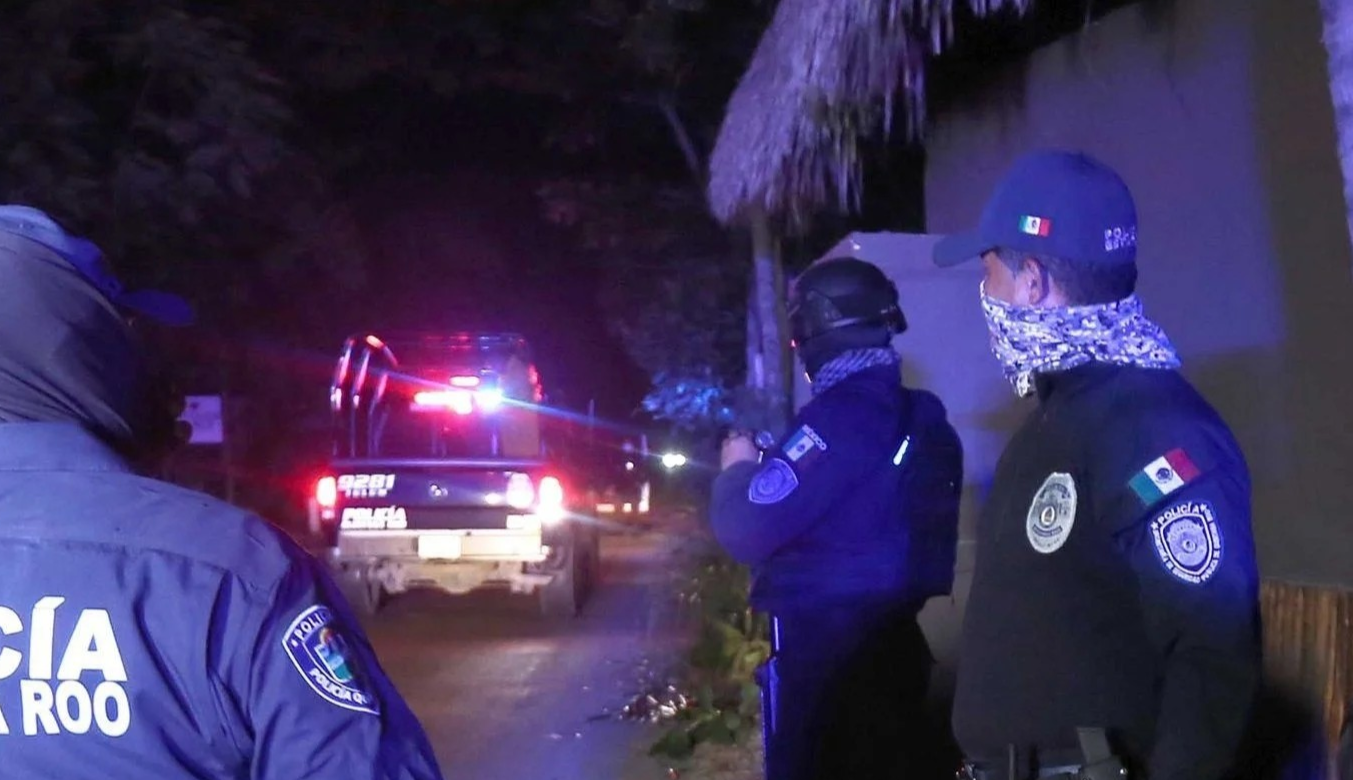
The military and police presence has not dismantled the criminal structures, despite operations and rhetoric; there is no real control of crime.
Between 2024 and 2025, more than 100 people were murdered in a small municipality, dozens of families were displaced or silenced, business owners were extorted, police officers were threatened or co-opted, and citizens were trapped between fear and silence.
Tulum ceased to be a place to live and became a place to survive.
Violence doesn’t just kill people. It also kills investment. Businesses close or pay protection money; they have no other options. Private security costs increase, and investors halt projects.
Tourism becomes volatile with each media attack. Nationally, organized crime costs Mexico billions of pesos a year.
The most serious issue is not the violence itself, but its normalization. Tulum markets itself as a premium destination while burying its dead in silence.
Executions last for hours in the headlines but years in the lives of families.
There is no real purging of corporations.
There is no accountability.
There is no justice. Just a rotation of command, speeches, and promises.
Tulum is the perfect example of the new criminal model in Mexico:
Selective violence
Economic control
Institutional infiltration
Structural impunity
Paradise wasn’t lost by chance; it was snatched away at gunpoint. And as long as the web of corruption, money, and silence remains unbroken, Tulum will continue to be a tourist destination by day and an execution ground by night.

Source: losangelespress