
The Querétaro State Health Secretariat (SESA) reported that, following the detection of the first measles case in the country in February 2025, epidemiological surveillance, early detection, and vaccination campaigns were immediately and permanently reinforced throughout the nation, with a special focus on the state.
As a result of these strengthened efforts in Querétaro, two measles cases were identified in the municipality of Querétaro, involving two siblings: a 16-year-old girl and a 15-year-old boy. They contracted the infection in the state of Chiapas and are therefore classified as imported cases.
Both patients are showing favorable clinical progress, without complications, and remain under strict medical and epidemiological monitoring until their full recovery. In parallel, the Ministry of Health is maintaining active epidemiological containment measures, including the targeted search for probable cases, the review of vaccination records, the administration of doses to complete vaccination schedules, and other control measures aimed at preventing community transmission.
Likewise, inter-institutional epidemiological surveillance is being strengthened, in coordination with the Mexican Social Security Institute (IMSS), the Institute for Social Security and Services for State Workers (ISSSTE), and the private medical sector, to ensure a rapid, coordinated, and effective response to the detection of probable cases.
Measles is a vaccine-preventable disease, and the Ministry of Health emphasizes the importance of getting vaccinated on time. According to the National Health Card, the vaccination schedule consists of two doses: the first at 12 months of age and the second at 18 months or six years, depending on the year of birth. In children born before 2022, the second dose should be administered at age six.
For the general population under 49 years of age, it is essential to check the National Health Card and verify that they have received two doses of the MMR (measles, mumps, and rubella) vaccine, or two doses of the MR (measles and rubella) vaccine. If they only received one dose during childhood or adolescence, they should receive a booster dose of the MR vaccine. Individuals who have already received two doses do not require additional vaccination.
Measles is a highly contagious viral disease, and humans are the only reservoir. It is transmitted through respiratory droplets expelled when talking, coughing, or sneezing, as well as through direct contact with nasal or pharyngeal secretions from infected individuals.
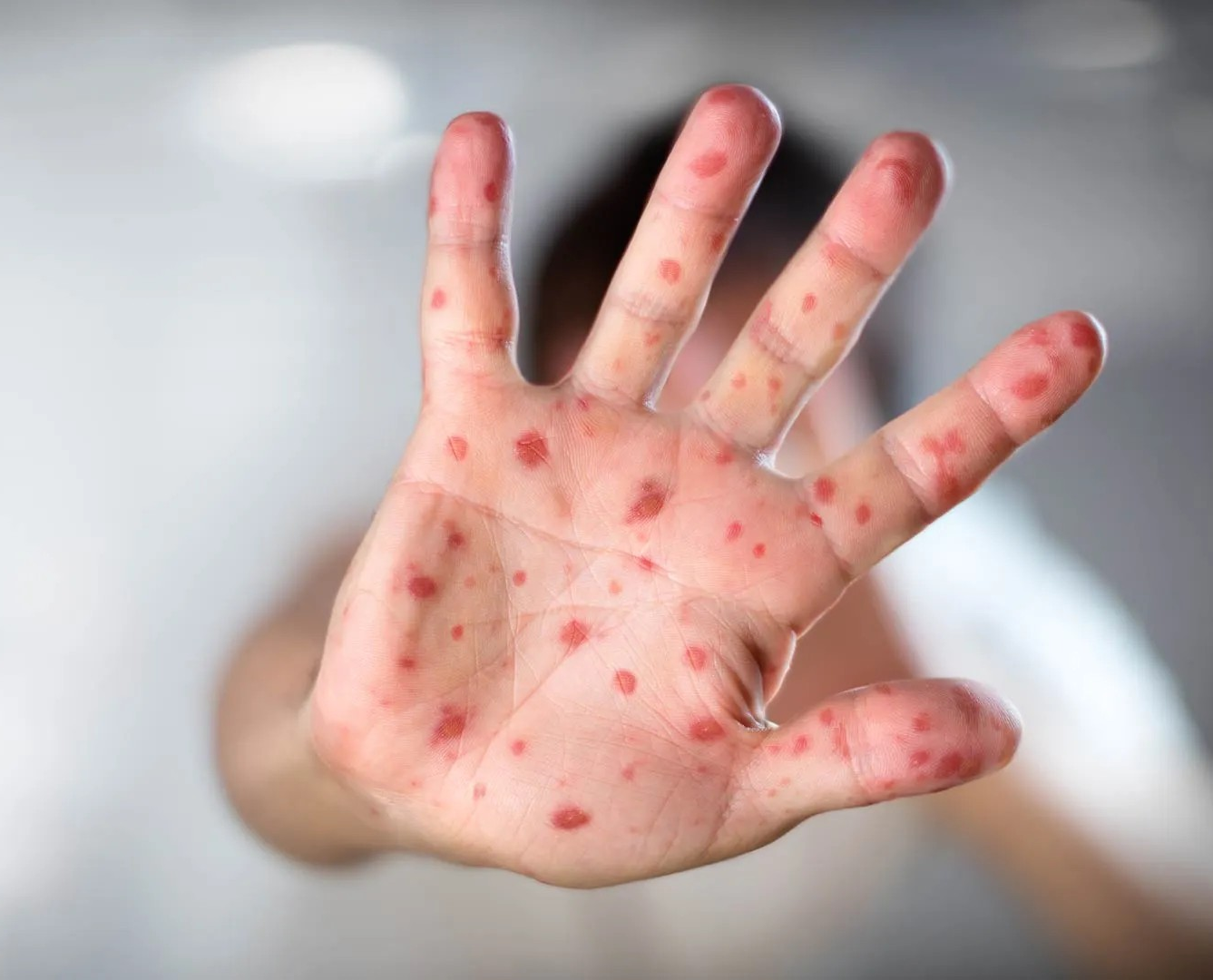
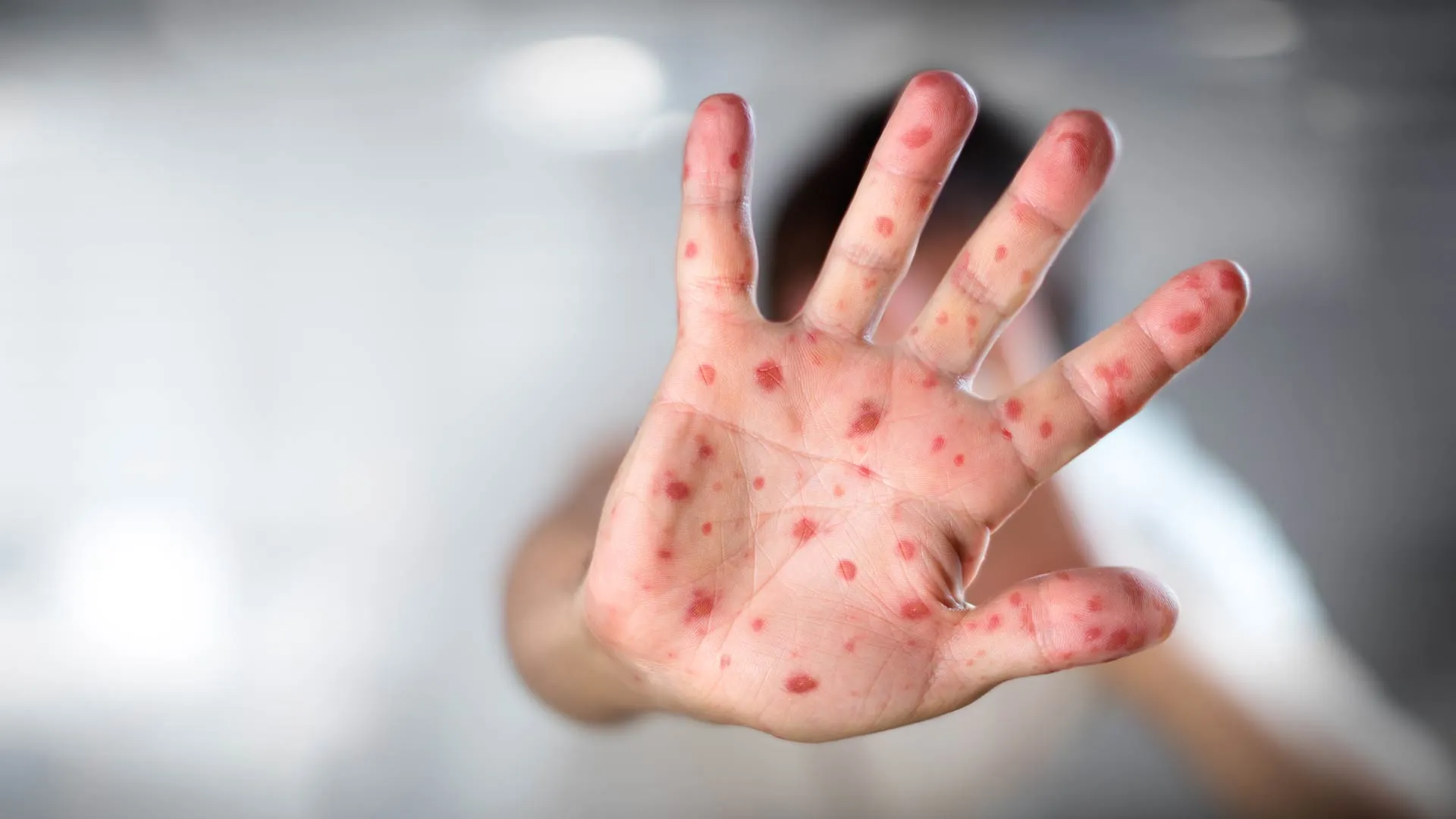
Symptoms include fever, conjunctivitis, nasal congestion, cough, and small white spots inside the mouth. A maculopapular rash then appears, starting on the head and spreading to the rest of the body. The lesions typically appear around day 14 after exposure and last four to seven days, followed by peeling.
Source: expresoqueretaro