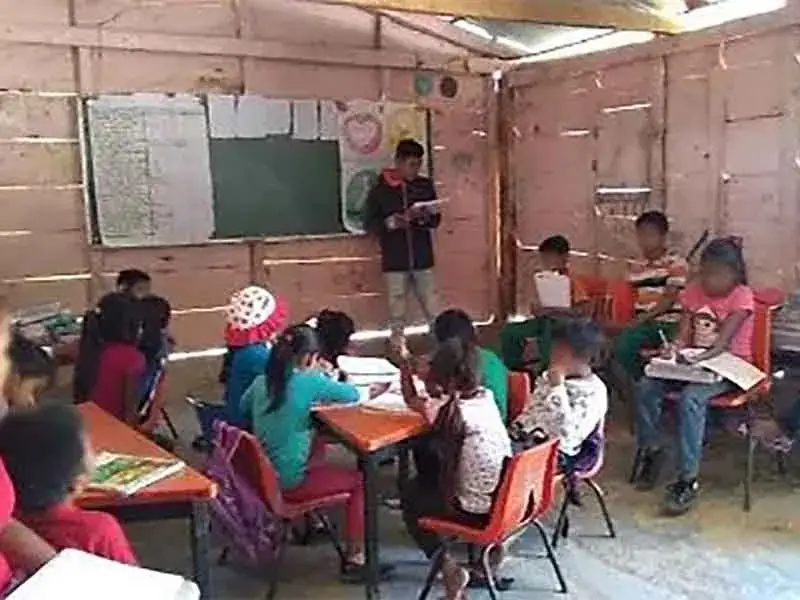

In a state where thousands of people still cannot read or write, talking about education is not just a commemoration; it is an urgent necessity. In Chiapas, guaranteeing access to education means opening real opportunities for development, breaking cycles of poverty, and allowing entire communities to have a voice and participate in their own future. That is why, more than a symbolic date, International Education Day serves as a reminder of a historical debt that remains unfulfilled.
Every January 24th, education is recognized as a fundamental human right and a pillar for peace and development. However, in states like Chiapas, this right still does not reach everyone equally. Lack of literacy limits access to employment, healthcare, information, and decision-making, leaving many people in vulnerable social situations.
Faced with this reality, literacy programs are emerging that aim to reach every municipality and the most remote corners of the state. Teaching reading and writing does not only mean learning letters; it means providing tools to defend rights, understand the environment, and improve quality of life. A literate person has a greater chance of accessing higher incomes, taking care of their health, and supporting the education of future generations.
Education also serves a collective function. A society with a higher level of education is more just, productive, and participatory. When people receive a quality education, the local economy is strengthened, inequalities are reduced, and more autonomous communities, aware of their reality, are built.
Recognizing education as a right is not enough if it is not guaranteed in practice. In Chiapas, promoting literacy is an investment in social development, equity, and a future where no one is excluded for not knowing how to read or write. Education is, in essence, opening paths where before there were only limits.
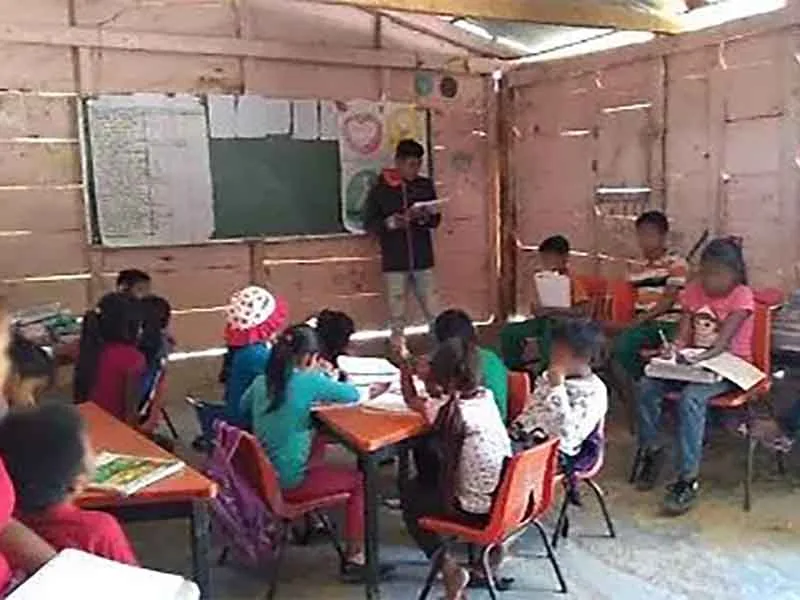
Source: diariodechiapas