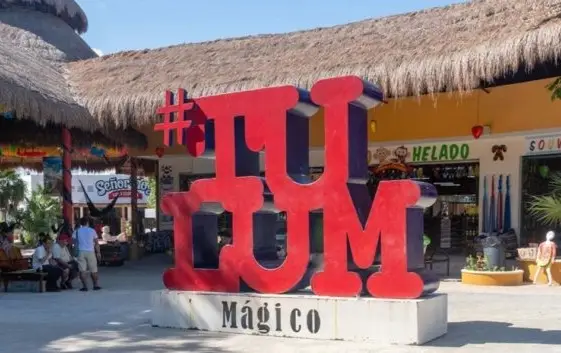

David Ortiz Mena, president of the Tulum Hotel Association, noted that while Tulum reached 90% occupancy at the end of the year, the start of the new year brings new challenges, including sargassum seaweed, image management, and insecurity.
“I would say it was a successful winter season; of course, we started January with some challenges, early arrivals of sargassum, and well, that tests us to redouble our efforts for the beginning of this year,” Ortiz Mena stated.
He pointed out that the biggest challenge is image management, since images of insecurity or beaches affected by sargassum go viral more quickly than images of successful events or beaches in excellent condition.
He added that Mexico’s participation in Fitur will have a significant presence, representing its 12 destinations, “in a key showcase to strengthen the country’s image and attract new markets.” Likewise, the World Cup will open up additional opportunities.
The projections for 2026 are “moderately optimistic,” beginning with a winter season with good occupancy until early March, although the behavior of sargassum seaweed remains a factor of uncertainty. He emphasized the importance of immigration and customs processes.
For the summer, traditionally the slowest season for Tulum, promotion will be intensified; a new campaign focused on the destination will be launched, featuring updated images and a refreshed narrative, as part of the ongoing strategy of the Quintana Roo Tourism Promotion Council (CPTQ). They hope that the World Cup will help improve occupancy during the most challenging months.
Ortiz Mena recently asked authorities to reassess the authorization of mass events such as the recent music festivals where violent incidents occurred, which he believes reflect poorly on the destination.

Source: reportur