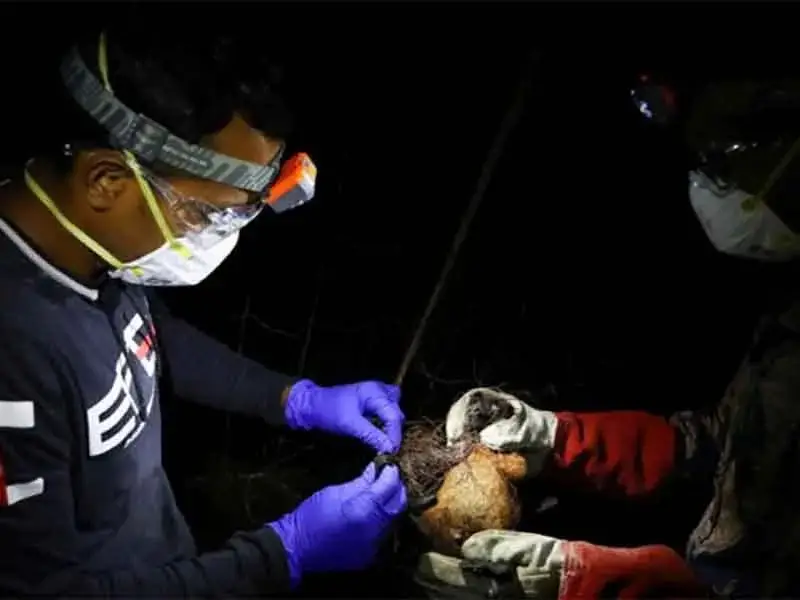

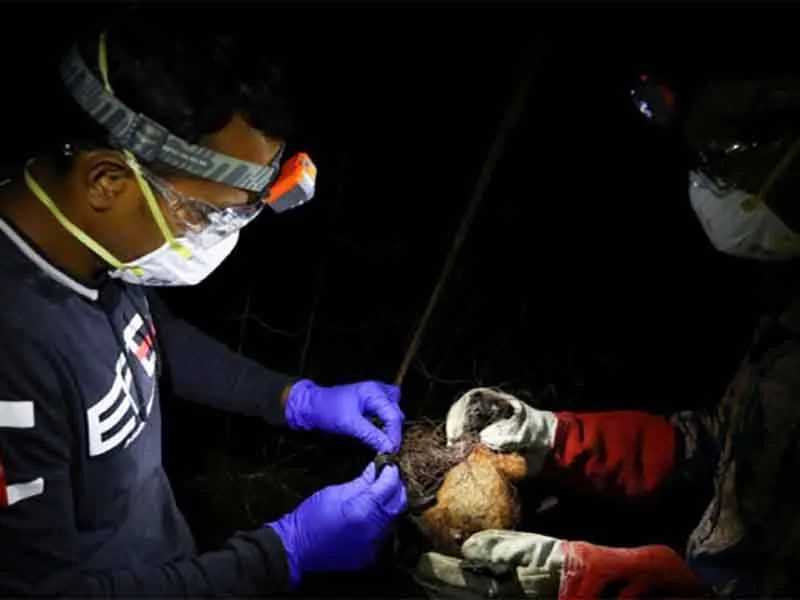
Human rabies remains a health threat in Mexico, despite the country being declared free of dog-mediated rabies by the World Health Organization. Despite this achievement, cases linked to wildlife continue to occur, keeping health authorities on high alert. In January 2026, the first human rabies death was recorded in Veracruz, following contact with a vampire bat, raising concerns among the population.
What is human rabies, and in which state was the first death recorded?
Rabies is a zoonotic viral disease that affects the central nervous system, causing acute encephalitis and, in many cases, death if not treated promptly.
Although Mexico is no longer considered a country with dog-mediated rabies, the disease remains a risk when contracted through animals such as bats, skunks, and foxes. In the recent case in Veracruz, the victim was bitten by a bat and did not receive immediate medical attention, contributing to the fatal outcome.
What are the symptoms of human rabies and how is it transmitted?
Rabies symptoms can take days or weeks to appear after exposure to the virus. The first signs are usually fever, headache, and general malaise. However, once the disease progresses, the symptoms become more severe, including pain and burning at the bite site, confusion, anxiety, excessive salivation, muscle spasms, and progressive paralysis. One of the most characteristic symptoms is hydrophobia, or fear of water, due to muscle spasms that make swallowing difficult. Once neurological symptoms appear, rabies is almost always fatal.
Rabies is primarily transmitted through bites or deep scratches from infected animals, especially those that come into contact with the saliva of the infected animal. In addition to vampire bats, skunks and foxes are considered high-risk animals, as well as unvaccinated domestic dogs or cats that have had contact with wild animals. Important: The virus is not transmitted through casual contact with an uninfected animal.
What to do if you are bitten by a rabid animal—is it life-threatening?
If you are bitten or scratched by an animal that may be infected with rabies, the recommendations are clear: you should not wait to seek medical attention. It is crucial to immediately wash the wound with soap and water and go to a health center urgently to receive preventive treatment known as post-exposure prophylaxis (PEP). This treatment must be administered within the first few hours after the incident to prevent the disease from progressing.
Source: diariodechiapas