With the arrival of Spring Break 2026, the U.S. Embassy in Mexico issued an advisory for U.S. citizens planning to travel to tourist destinations in the country, especially beach areas like Cancún, where thousands of students arrive each year between late February and early April.
Every year, thousands of U.S. citizens visit Mexico during spring break. Although the widespread violence that erupted on February 22 following Mexican security operations has ended, the diplomatic mission warned that risks of crime and kidnapping remain, and therefore recommends reviewing the Travel Advisory state by state before deciding on a destination.
The Embassy asked visitors to consider the following factors when planning their trip:
Violent crime can occur anywhere in Mexico, including popular tourist destinations.
Homicides, kidnappings, carjackings, and assaults have been reported.
Exercise extra caution is advised in crowded spring break areas, especially after dark.
Drugs
Possession and use of drugs, including medical marijuana, is illegal in Mexico.
Authorities note that U.S. citizens have died or suffered serious illnesses after using synthetic drugs or counterfeit pills.
Vaping and e-cigarettes
It is illegal to bring vaping devices, e-cigarettes, cartridges, or e-liquids into the country.
Penalties may include confiscation, fines exceeding $10,000, or arrest.
Weapons and ammunition
U.S. firearms permits are not valid in Mexico. Bringing firearms, ammunition, cartridges, knives, explosives, or brass knuckles into the country is a serious crime.
Violations can result in substantial fines or lengthy imprisonment.
Alcohol and safety Personal
Unregulated alcohol may be contaminated.
It is recommended not to accept drinks from strangers or leave them unattended.
In Mexico, it is illegal to be intoxicated and disturb the peace, urinate in public, or carry open containers of alcohol in vehicles.
Sexual Assault
U.S. citizens have been victims of rape and sexual assault. Assailants may target intoxicated or isolated individuals.
Beaches and Drowning Risk
Some beaches have strong currents and tides. Not all have lifeguards or adequate signage. Do not swim alone, after drinking, or when a red flag is flying.
Extortion and Scams
Virtual kidnappings and online fraud are common. Do not share travel plans, hotel information, or personal data on social media. If you are a victim, file a report with the authorities.
Recommended Actions by U.S. Authorities
The Embassy advised travelers to:
Travel with a valid passport.
Enroll in the Smart Traveler Enrollment Program (STEP) to receive security updates.
Call 911 in case of emergency.
Verify that your health insurance covers medical care outside the United States.
Report contaminated alcohol to Cofepris via their website or by calling +52 01-800-033-5050.
Monitor bank transactions and avoid isolated ATMs.
Use official taxi stands or apps like Uber and Cabify.
Inform family members about your travel plans.
Drive only during daylight hours.
In Cancún, Playa del Carmen, Tulum, Cozumel, or other areas of Quintana Roo, download the “Guest Assistance” app.
Contact the Embassy or Consulate if you need help.
The advisory emphasizes that, although Mexico remains one of the top Spring Break destinations, travelers should plan ahead, stay informed, and take extra precautions during their stay.
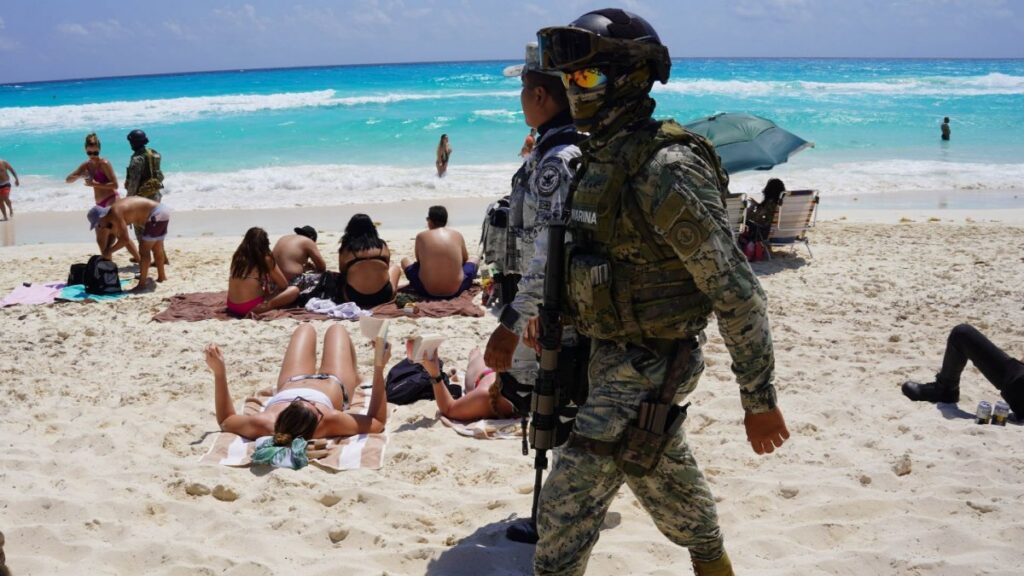
Source: unotv