

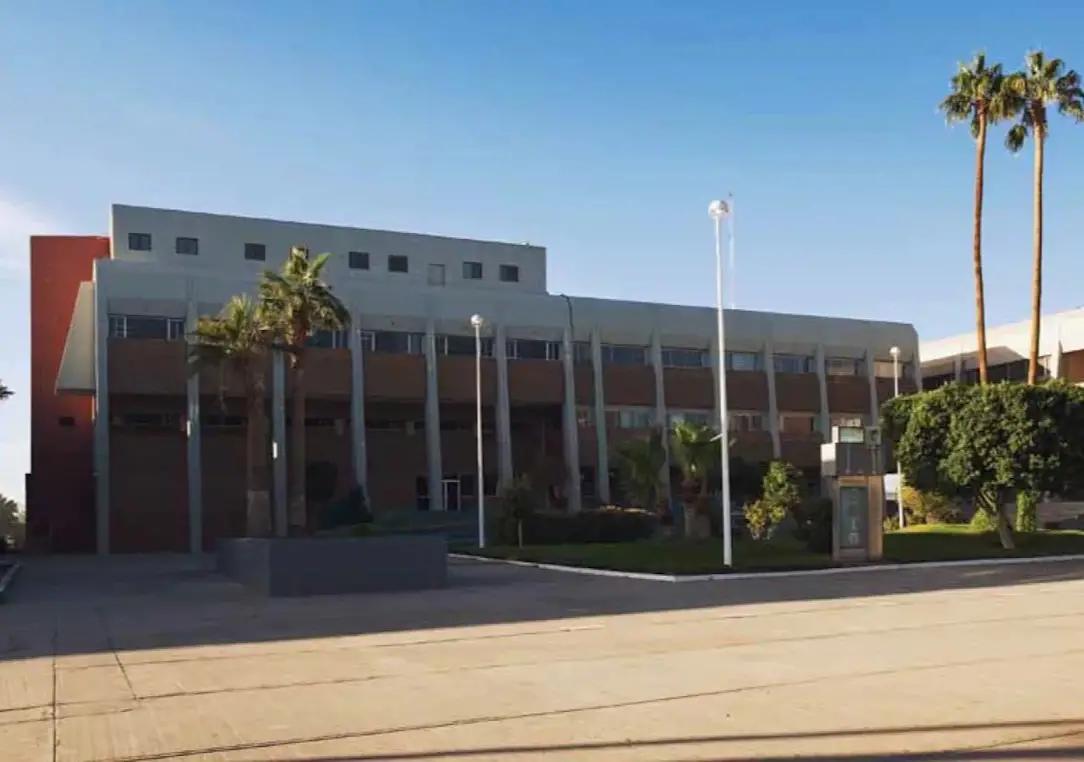

In Baja California, one of the most uncomfortable debates for the political class has begun to gain traction outside the halls of power: the cost of the legislature. While the state faces structural challenges such as persistent violence, strain on healthcare services, deteriorating urban infrastructure, and a growing public demand for more effective institutions, the budget of the Baja California State Congress has become the subject of public scrutiny.
The issue is not new, but in recent weeks it has taken on a different dimension. Various actors in the business sector have begun to raise an uncomfortable question: Is the cost of the state Congress proportional to the results it delivers to society?
Among the most visible voices in this discussion is Octavio Sandoval López, president of the Business Coordinating Council, who has publicly stated that the state legislature operates with a level of spending that deserves more rigorous review.
Baja California is a state with pressing needs and occupies a strategic position within the Mexican economy. Its border with the United States and its role in international trade place it at the heart of the economic dynamism of northern Mexico. However, behind this dynamism, structural problems persist that affect the daily lives of the population.
In cities like Tijuana, Mexicali, and Ensenada, rapid urban growth has put pressure on public services, resulting in insufficient road infrastructure and deficiencies in basic services. Public safety continues to be one of the most sensitive issues on the state agenda, and significant controversy persists due to the negative perception of the official statistics.
In this context, the discussion about the use of the public budget takes on an unavoidable dimension: are the state’s resources and the proper projection of spending aligned with the real needs of society?
The Baja California State Congress is currently under scrutiny. It has already become the focus of national attention due to a statement by the leader of the ruling party and scandals involving its members. The legislature is composed of 25 representatives responsible for drafting laws, approving the state budget, and overseeing the functioning of the Executive Branch. In theory, it represents one of the fundamental pillars of the democratic system.
The questioning of legislative spending is not unique to Baja California. Similar debates about the size and efficiency of local congresses have arisen in various states across the country.
Public governance experts warn that legislative bodies face a growing challenge: justifying the cost of their operations to the public. Unlike other branches of government, legislative work is often less visible to the population, but when the budget becomes a subject of debate, public attention immediately increases. The legitimacy of a legislative body increasingly depends on three fundamental factors: budget transparency, legislative productivity, and engagement with citizens.
When any of these elements weakens, public trust in institutions also erodes.
The open debate in Baja California reflects precisely this tension between the cost of the political apparatus and societal demands for efficiency and results. However, various sectors have questioned the growth of the legislative budget, the expansion of administrative structures, and the perception of legislative productivity that does not always translate into tangible benefits for the population.
To understand the background of this debate on legislative spending, the editorial team of NW Noticias Baja California spoke with Octavio Sandoval López, president of the Baja California Business Coordinating Council, who placed the issue on the public agenda and, due to his statements, it gained national relevance.
Question: You recently stated that the Baja California Congress operates with a budget that deserves to be reviewed. Why do you consider it important to open this debate?
Octavio Sandoval: Because we are talking about public resources. When a state faces problems as complex as those Baja California is experiencing, every peso must be justified to society. The debate is not political; it is a debate about efficiency and priorities.

Source: es-us.noticias.yahoo


