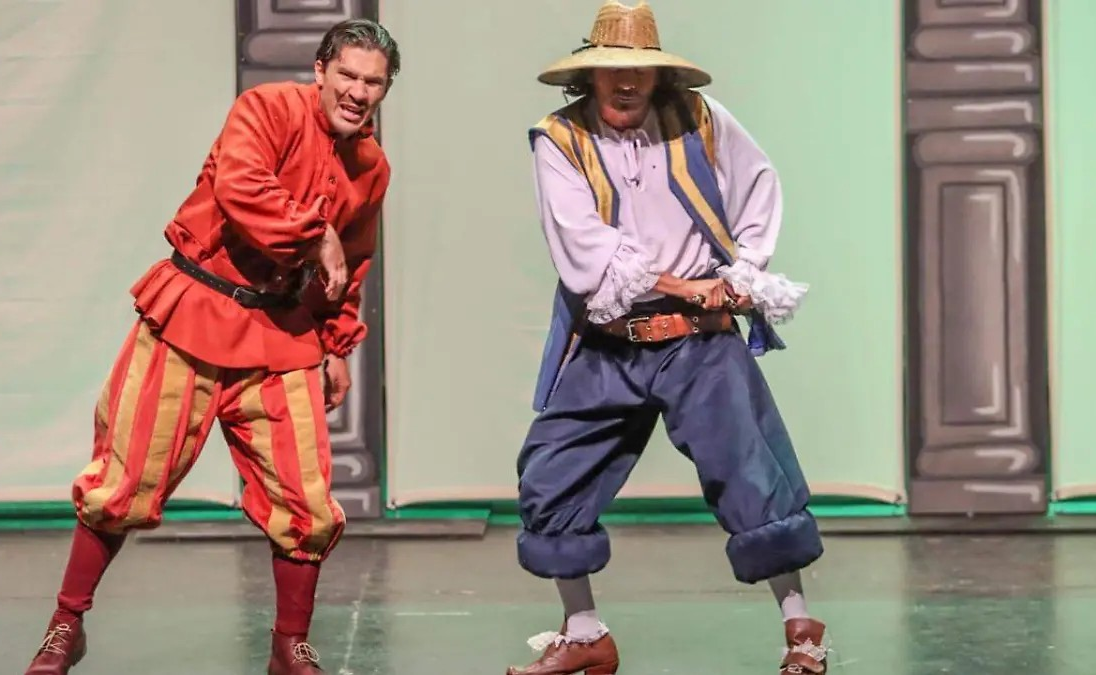

Before an audience of over 100 students from the Sanmiguelense Institute, the play “Don Juan, or the Stone Guest,” by French playwright Molière, was presented at the Ángela Peralta Theater as part of the Arts, Sciences, and Humanities Festival of the National Autonomous University of Mexico (UNAM).
The performance was attended by elementary and high school students, who participated in educational activities related to the festival program.
The presentation was given by the theater group from the National School of Higher Studies (ENES) León, under the direction of Gemma Quiroz.
During the play, the student audience followed the development of the story centered on Don Juan, a character distinguished by his libertine behavior and his constant defiance of social and religious norms.
The narrative unfolds from the conflicts generated by his actions, as well as the consequences he faces throughout the plot.
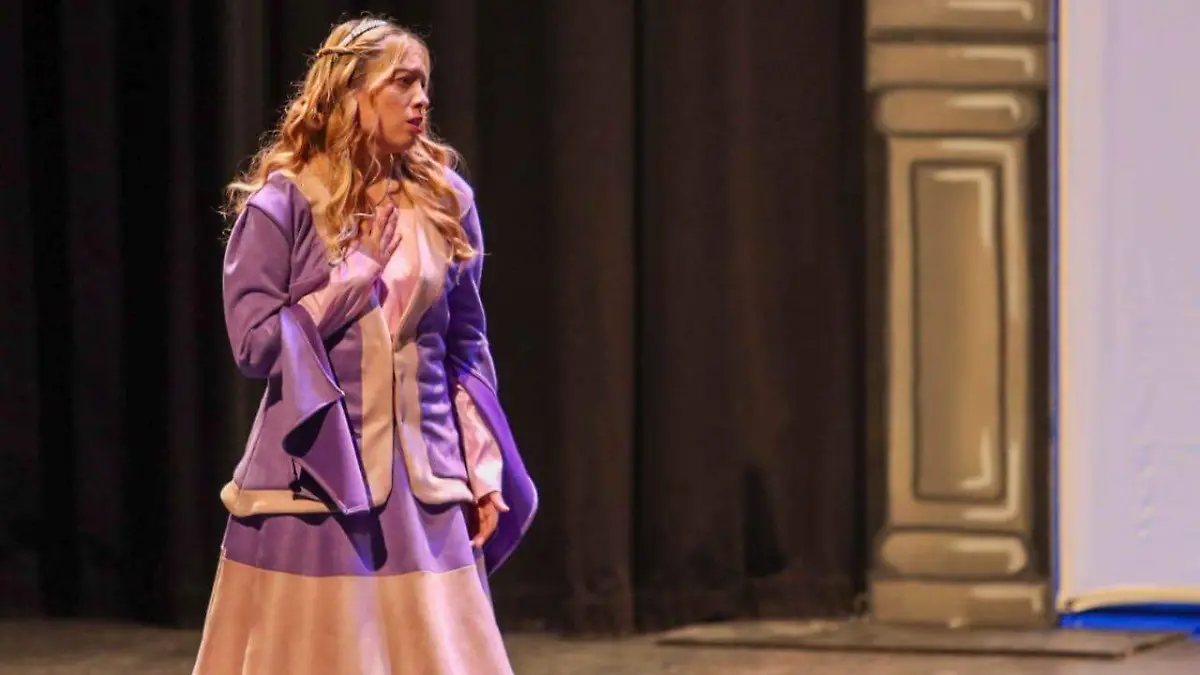
The production respected the structure of the original text, with a stage adaptation suited to the venue’s space.
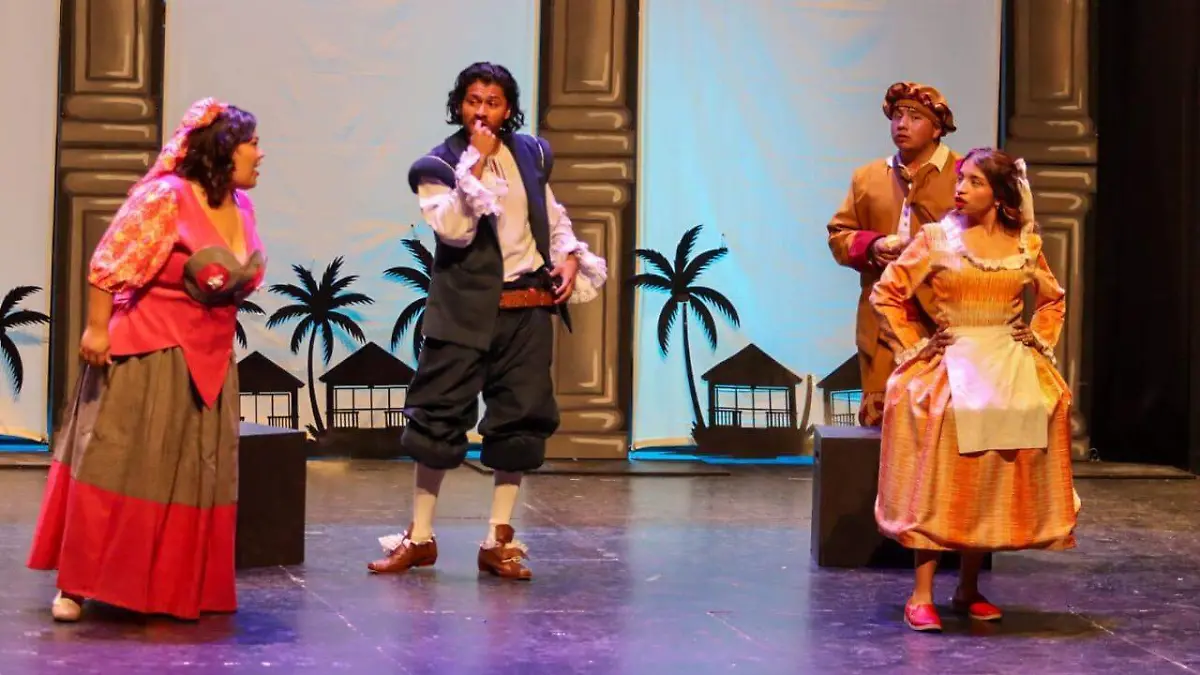
The cast’s participation allowed for the portrayal of the play’s key moments, including the interaction with Sganarelle, a character who accompanies the protagonist and provides a contrast within the story.
The attendance of students from the Sanmiguelense Institute was part of the cultural outreach activities promoted by the festival, which includes the participation of local educational institutions.
The presence of the young audience brought a work from the classical repertoire to new audiences in an academic and cultural context.
The Arts, Sciences, and Humanities Festival features a program that includes workshops, talks, exhibitions, and stage performances, with the participation of various departments of the National Autonomous University of Mexico (UNAM).
Within this framework, the theatrical performance was included as one of the activities open to the public in the municipality.
Furthermore, this type of activity seeks to strengthen access to cultural content, foster interest in the performing arts, and promote critical thinking among students, who were able to engage with an artistic offering of historical and educational value.
Source: oem