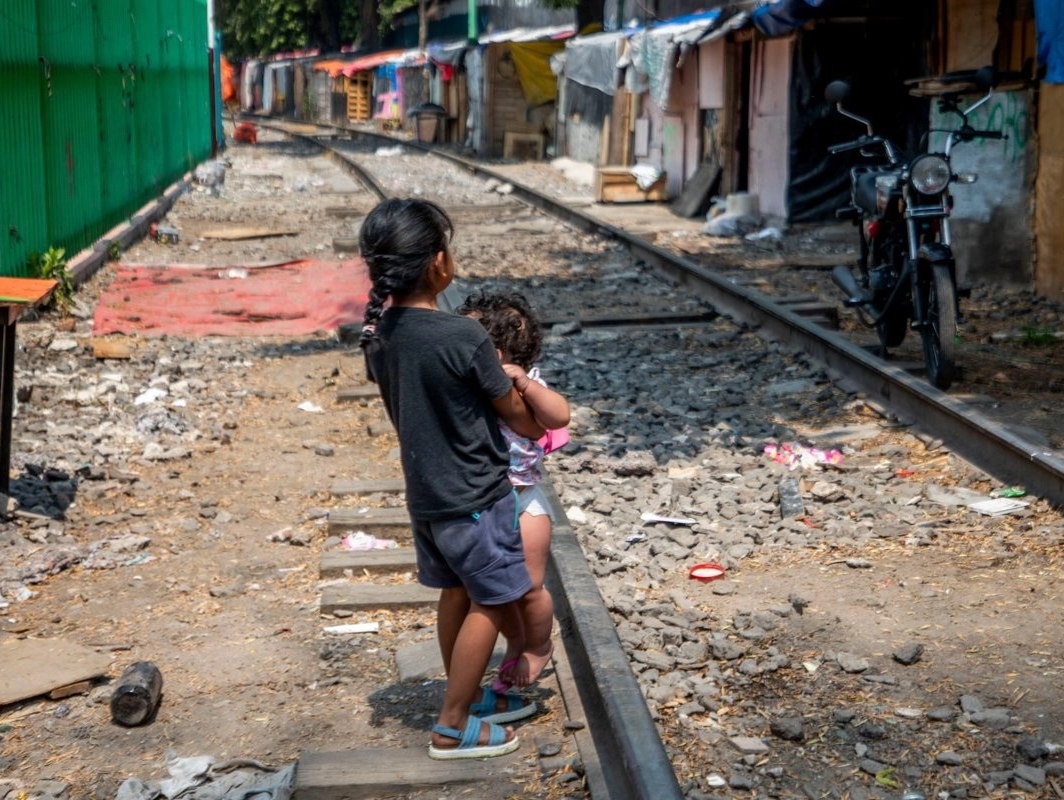

In Mexico and Central America, one in three migrants is a child or adolescent, and more than 60 percent of migrant children have been exposed to some form of violence. There is also a high risk of trafficking and sexual violence, especially for girls and adolescents.
These were the findings of participants in the presentation of the Comparative Report on National Protection Systems for Children and Adolescents in Contexts of Human Mobility in Mexico, Guatemala, Honduras, and El Salvador.
At the meeting, representatives of government entities and civil society organizations from the four countries, including the Network for Children’s Rights in Mexico, the Coordinating Body of Institutions for the Promotion of Children’s and Adolescents’ Rights in Guatemala, and the Network for Children and Adolescents in El Salvador, maintained that it is necessary to establish a transnational protection mechanism in the region for children on the move.
Genaro Ahumada, director of outreach and promotion for the National System for the Comprehensive Protection of Children and Adolescents (SIPINNA), endorsed the proposal for a transnational mechanism, noting that it would strengthen cooperation with other countries and improve information exchange channels, as well as consolidate safe and dignified routes for migrant children.
He reported that SIPINNA is currently developing a national strategy for the comprehensive protection of children and adolescents in migration contexts, which will seek to “strengthen inter-institutional coordination, ensuring that all involved authorities, from the DIF (National System for Integral Family Development) systems, child protection agencies, immigration and security authorities, to comprehensive protection agencies, have the necessary tools to serve this population group.”
Karen, a young girl and member of the Regional Participation Group for Children and Adolescents, explained that in 2024, more than 113,000 children and adolescents were brought before immigration authorities in Mexico, and nearly 4,500 crossed the Darién Gap, a very dangerous route between Colombia and Panama, unaccompanied.
Ahumada stated that establishing a coordination mechanism among countries with standardized approaches and clear procedures is essential to guaranteeing the best interests of children and adolescents.

Source: jornada