
A cold front and polar air mass are bringing storms, hail, gusts of up to 100 km/h, and a drop in temperature. However, hot conditions persist in western Mexico. See the detailed forecast for your state in this advisory.
This Saturday afternoon and evening, May 2nd, the country is under the direct influence of cold front number 48, as designated by the National Meteorological Service (SMN Mx). This front is moving alongside a polar air mass across northern, eastern, and parts of central Mexico, as well as the Gulf of Mexico coast, extending south and southeast by the end of the day.
Its presence is bringing downpours with thunderstorms, possible hail, strong gusts of wind, high waves, and a general drop in temperature after several days of extreme heat last week. Simultaneously, the influx of humid air from the Pacific Ocean is favoring the development of convective cloud cover.
On the other hand, we will experience persistent heat in various western states and parts of the south, leading to a temperature contrast in some regions of the country.
Regarding rainfall, it will reach its greatest intensity in the southeast, east, and parts of central Mexico, with accumulations of up to 150 mm in central and southern Veracruz, eastern Puebla, and northern Oaxaca. Accumulations of 50 to 70 mm are expected in western Tabasco, southern and mountainous Tamaulipas, northern Hidalgo, and southern and northern Chiapas.
Meanwhile, states such as the State of Mexico, Tlaxcala, Yucatán, and Quintana Roo will experience rain with thunderstorms and possible hail, with accumulations of 30 to 50 mm. In regions such as Nuevo León, San Luis Potosí, Querétaro, Coahuila, Morelos, and Mexico City, the forecast indicates periods of showers with accumulations of 10 to 30 mm.
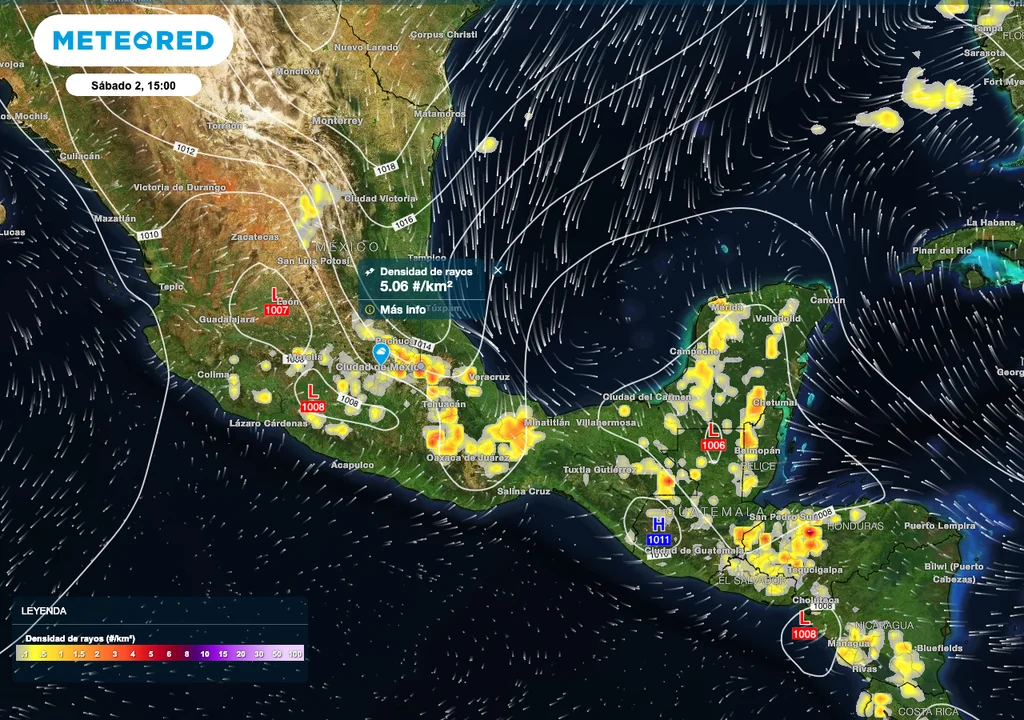
In virtually all of the aforementioned states, rainfall will be accompanied by lightning and the possibility of hail due to atmospheric instability.
In addition, isolated showers of up to 10 mm are expected in Chihuahua, Guerrero, and Michoacán, driven by moisture flow and unstable conditions caused by the collision of air masses with different characteristics.
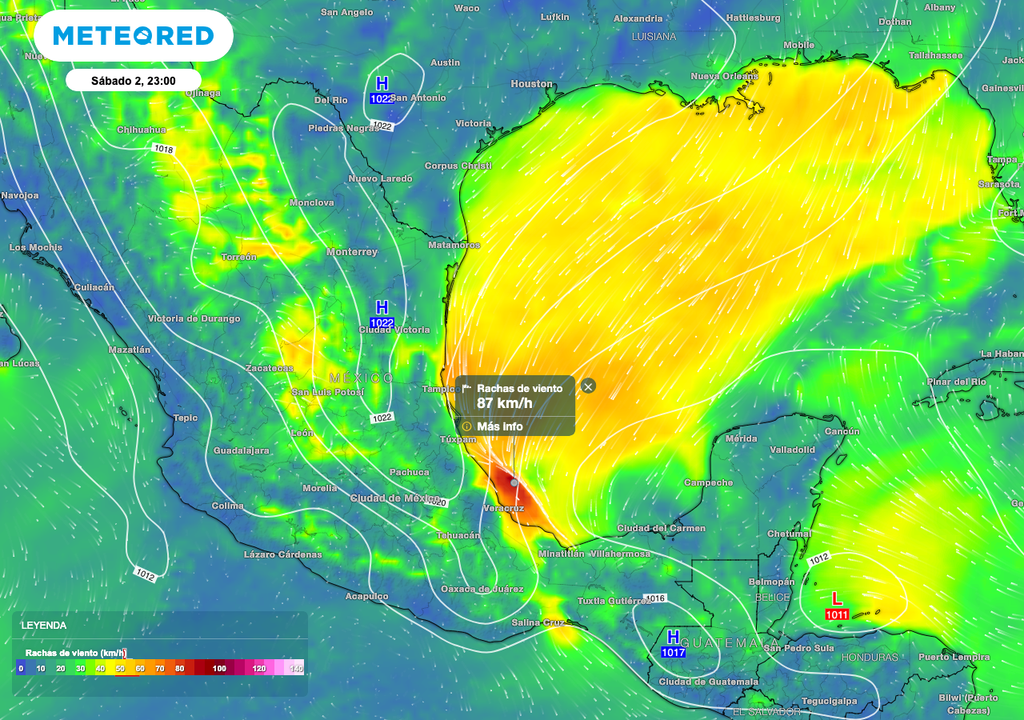
The “Norte” event will impact the Gulf of Mexico coast. Wind gusts of 80 to 100 km/h are expected, with waves up to 5 meters high, primarily affecting the coasts of Tamaulipas and Veracruz. This implies adverse maritime conditions and a significant risk to both navigation and coastal infrastructure.
The influence of these winds will extend toward the early hours of Sunday to the Isthmus and Gulf of Tehuantepec, with gusts of 60 to 80 km/h in Oaxaca and Chiapas. Similarly, the Tabasco coast will experience gusts of 50 to 70 km/h, increasing wave heights to up to 4 meters and reinforcing safety recommendations for coastal communities and fishing activities.
In terms of temperatures, the polar air mass will bring a cooling effect to the northern, northeastern, eastern, and central regions of the country. This relief from the heat will be felt significantly as the polar air mass advances, altering the hot conditions that had prevailed in previous days across much of inland Mexico.
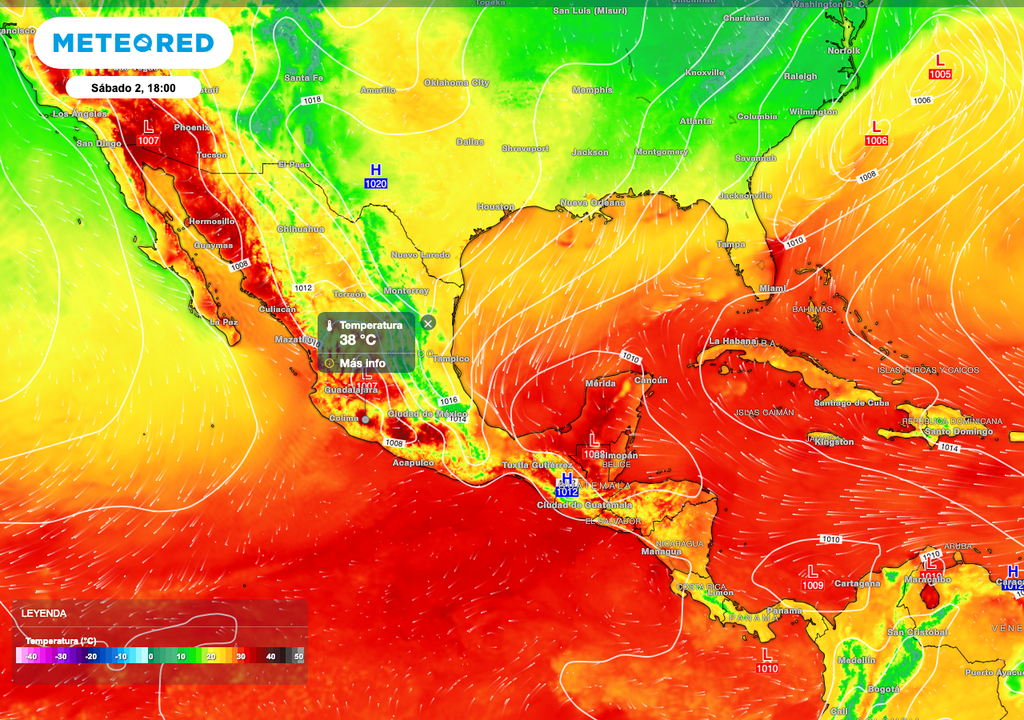
Regarding the heat, it persists in Sinaloa, Durango, Jalisco, Michoacán, Guerrero, Oaxaca, and Chiapas. It’s important to note that the hot weather will end its influence in Nuevo León, San Luis Potosí, Zacatecas, Guanajuato, Querétaro, Hidalgo, Puebla, Morelos, Tlaxcala, the State of Mexico, Mexico City, Tamaulipas, and Veracruz during the afternoon and evening.
Given the imminent change in the weather, we encourage you to consult the detailed forecasts on Meteored to plan your celebrations safely. It is vital to remain alert and strictly follow the recommendations of Civil Protection authorities to avoid unnecessary risks.
To prevent illness during periods of extreme temperature fluctuations, we must be prepared and know which days we need to dress more warmly, use heating or ventilation properly, avoid driving or traveling on roads with poor visibility, and protect our pets, livestock, crops, and other plants. Remember to be aware of wind intensity, as a strong gust can pose a risk of falling objects or being thrown like projectiles. The formation of whirlwinds, dust devils, or tornadoes is common. If you are caught in one of these phenomena, seek shelter immediately in a safe place.
If the rains are constant for several days, it will be a significant factor in the risk of river flooding or flash floods. In this situation, NEVER cross a flooded street, whether on foot or by car, and avoid throwing trash or debris in the streets or storm drains, as this often contributes to severe flooding on streets and avenues.
Source: meteored