
The 2026 National Drill was, on paper, a logistical success for the administration of Américo Villarreal Anaya.
The governor capitalized on it as part of his narrative of institutional transformation, and his state coordinator, Luis Gerardo González de la Fuente, came out to support him with presentable figures. So far, so good.
It is striking that, while President Claudia Sheinbaum and National Coordinator Laura Velázquez Alzúa set the tone from the center of the country, in Tamaulipas the exercise felt adequate, but lukewarm. The 43 mayors were conspicuously absent, failing to make their voices heard. The mayor of Reynosa was missing, still reeling from the floods that forced Sheinbaum herself to visit the border. The mayors of the southern municipalities—Tampico, Madero, Altamira—were also absent, where the sugarcane-growing region floods almost every year. And what was most missing was the State Congress asking aloud how much of the Civil Protection budget translates into actual equipment for the 43 municipalities and how much just sits in offices.
The opposition, to put it bluntly, didn’t exactly shine either. Neither the PAN nor Movimiento Ciudadano seized the opportunity to push for a serious hydrometeorological prevention agenda, which is where Tamaulipas’ lives are truly at stake.
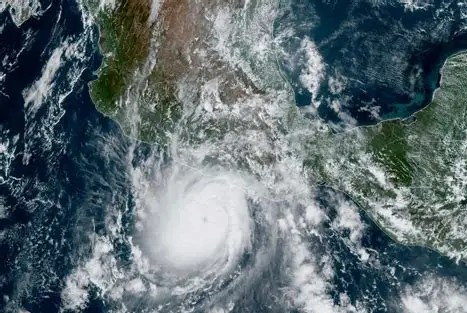
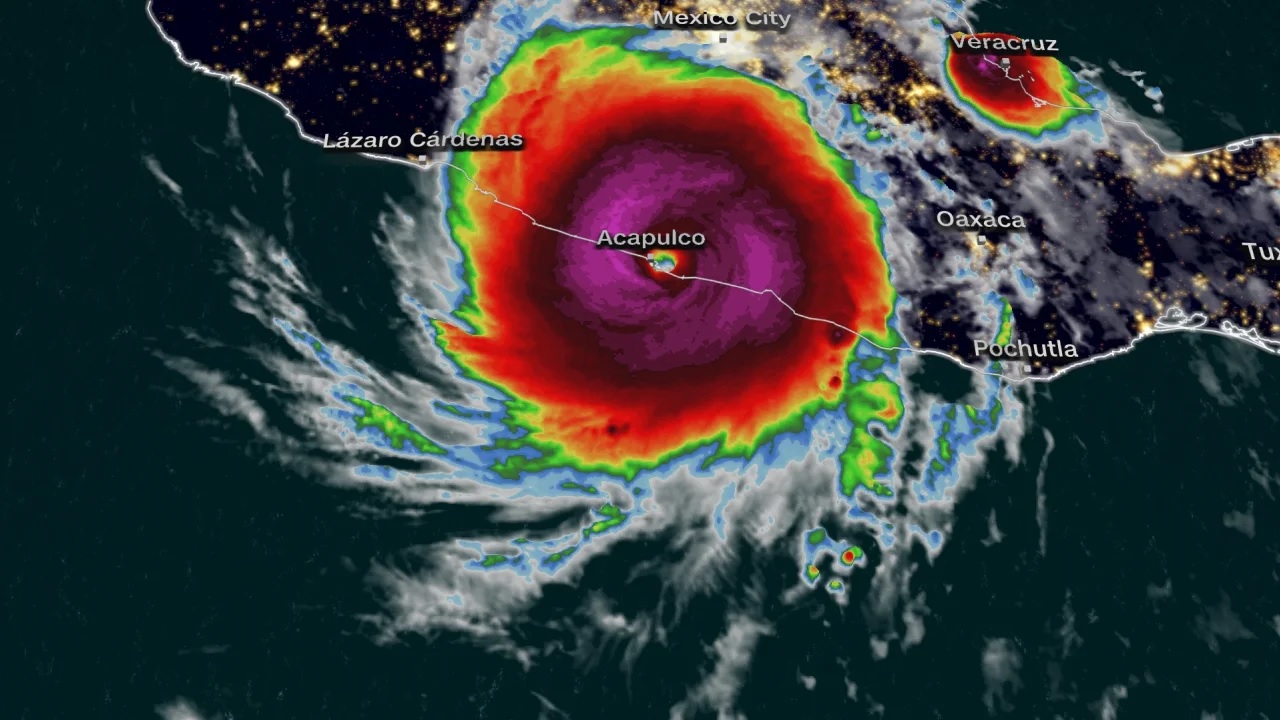
The call is direct: governor, mayors, state representatives, party leaders. Hurricane season starts in less than four weeks. This isn’t about simulating an earthquake like the one in Guerrero; it’s about preparing for the hurricane that will actually arrive. The next exercise must include real evacuations in at-risk neighborhoods, verified shelters, and a public registry of vulnerable families. Anything else is just for show.
The appearance of the Secretary General of the Government, Héctor Joel Villegas González, before the 66th Legislature of Tamaulipas, during the review of Américo Villarreal Anaya’s fourth report, was a masterclass in the delicate art of saying a lot without committing to much.
The official boasted of having addressed one hundred percent of the 723 requests for missing persons. The figure is compelling. But, let’s be clear, addressing is not the same as locating. In a state where forced disappearances constitute an open wound that has been bleeding for two decades, the true indicator is not how many cases were opened, but how many families were reunited with their loved ones.
That question—the uncomfortable one—was not raised by anyone on the floor. There was also talk of 16.5 million pesos delivered to victims through the Comprehensive Reparations Fund. It sounds good, until you divide that figure by the actual number of people entitled to reparations in Tamaulipas.
Villegas González spoke of humanism, of a government that listens, of unwavering commitment. These are well-intentioned words that urgently need supporting evidence. Because accountability isn’t about reciting achievements before a sympathetic Congress, but about submitting to the uncomfortable scrutiny of taxpayers. The rhetoric is over. The real questions are just beginning.
Source: elhorizonte