
The Riviera Nayarit faces a growing environmental and climate alert amidst the accelerated real estate boom that has encroached upon the region’s beaches, mangroves, and coastal ecosystems, specialists and community groups warned.
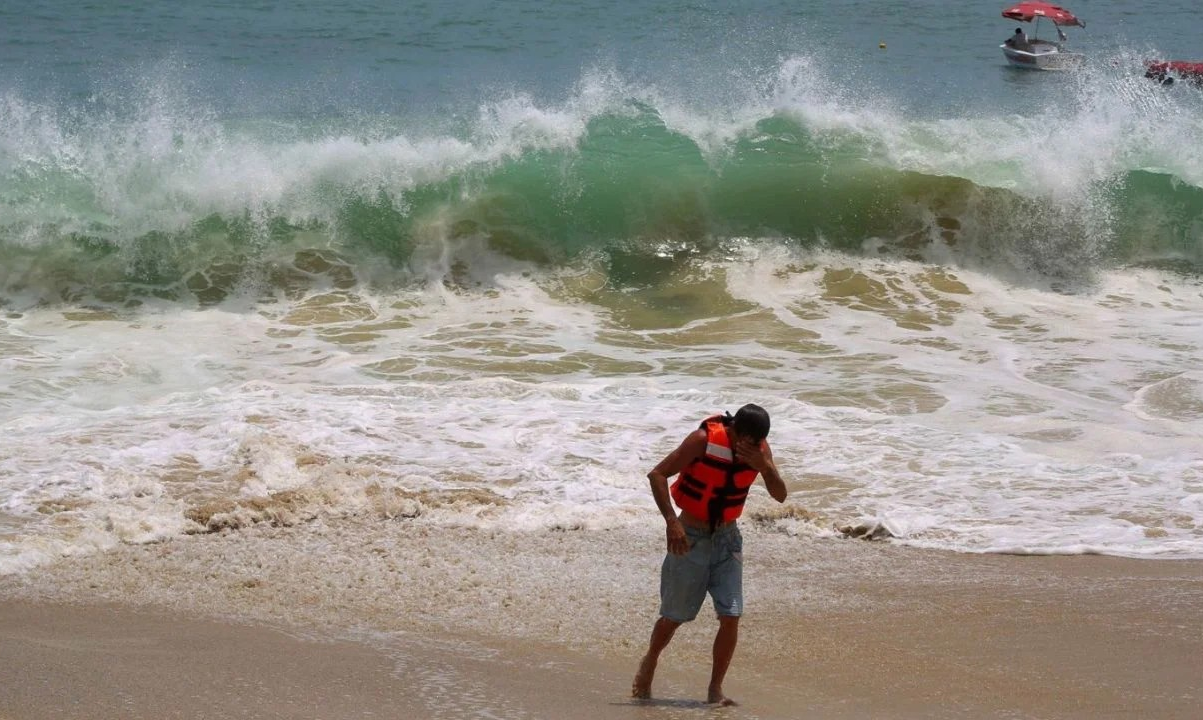
They also cautioned that the development model permitted in Banderas Bay could critically exacerbate the impact of a potential El Niño event and extreme hurricanes in the Mexican Pacific during 2026.
One of the cases generating the most social and environmental tension is Playa Las Cocinas in Punta de Mita, where the Montage project, promoted by Cantiles de Mita, a subsidiary of Grupo DINE, is progressing with an estimated investment of 10 billion pesos.
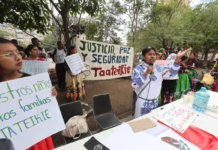
Residents and civil organizations denounced the potential environmental damage resulting from work carried out in the area, including alleged mangrove clearing in nearby estuaries, the removal of rock and sand with heavy machinery, and potential damage to the habitat of sea turtles.
On the other hand, amidst the protests, the name of the mayor of Bahía de Banderas, Héctor Santana García, is constantly linked to the real estate development model that, according to citizens, prioritized tourism and private interests over the region’s environmental protection.
The controversy intensified after it was revealed that the project had received municipal authorization based on an Environmental Impact Statement originally issued in 2009. Currently, the case has escalated to the federal level.
Residents of Punta Mita went to the Chamber of Deputies to deliver technical documentation to the head of PROFEPA (Federal Attorney for Environmental Protection), Mariana Boy Tamborrell, regarding alleged irregularities within the Federal Maritime-Terrestrial Zone.
Almost simultaneously, personnel from the Attorney General’s Office conducted an official visit to Las Cocinas Beach, accompanied by experts and specialists, as part of investigations into possible environmental crimes.
Following this, climate change specialists warned that the destruction of mangroves significantly increases the vulnerability of coastlines to hurricanes, storm surges, and flooding.
Similarly, scientific studies have documented that these measures can reduce wave energy by up to 66% and mitigate the impact of extreme weather events.
Finally, adding to this scenario is the warning from specialists at the National Autonomous University of Mexico (UNAM) regarding the extraordinary increase in temperatures in the Mexican Pacific, a condition that strengthens the intensity of tropical cyclones.
For its part, the National Water Commission (CONAGUA) predicts that the potential peak of this phenomenon will occur between September and October 2026, during the most active stage of hurricane season.

Source: 24horas