
Clandestine Parties and “Chelerías” Face Crackdowns Ahead of the World Cup in Mexico City
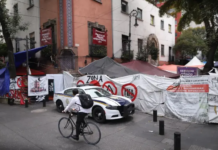
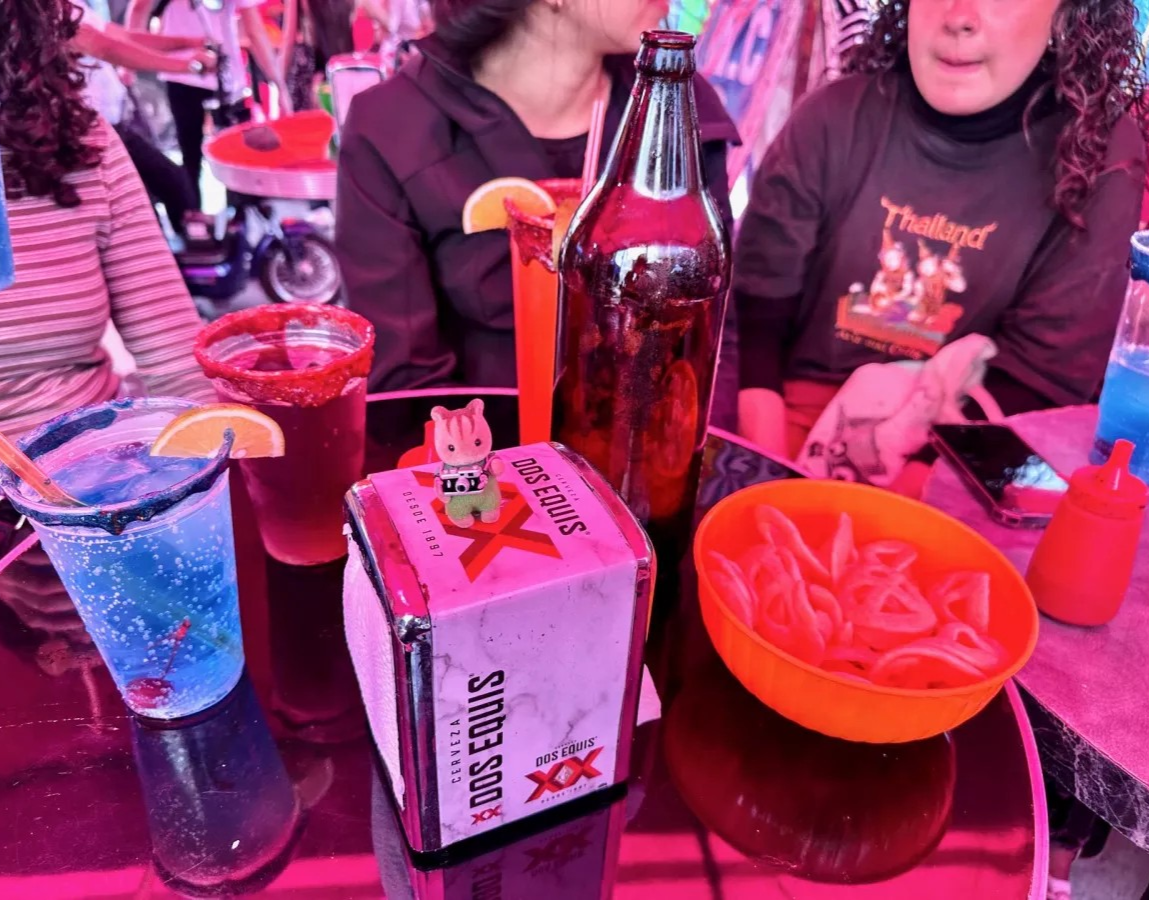
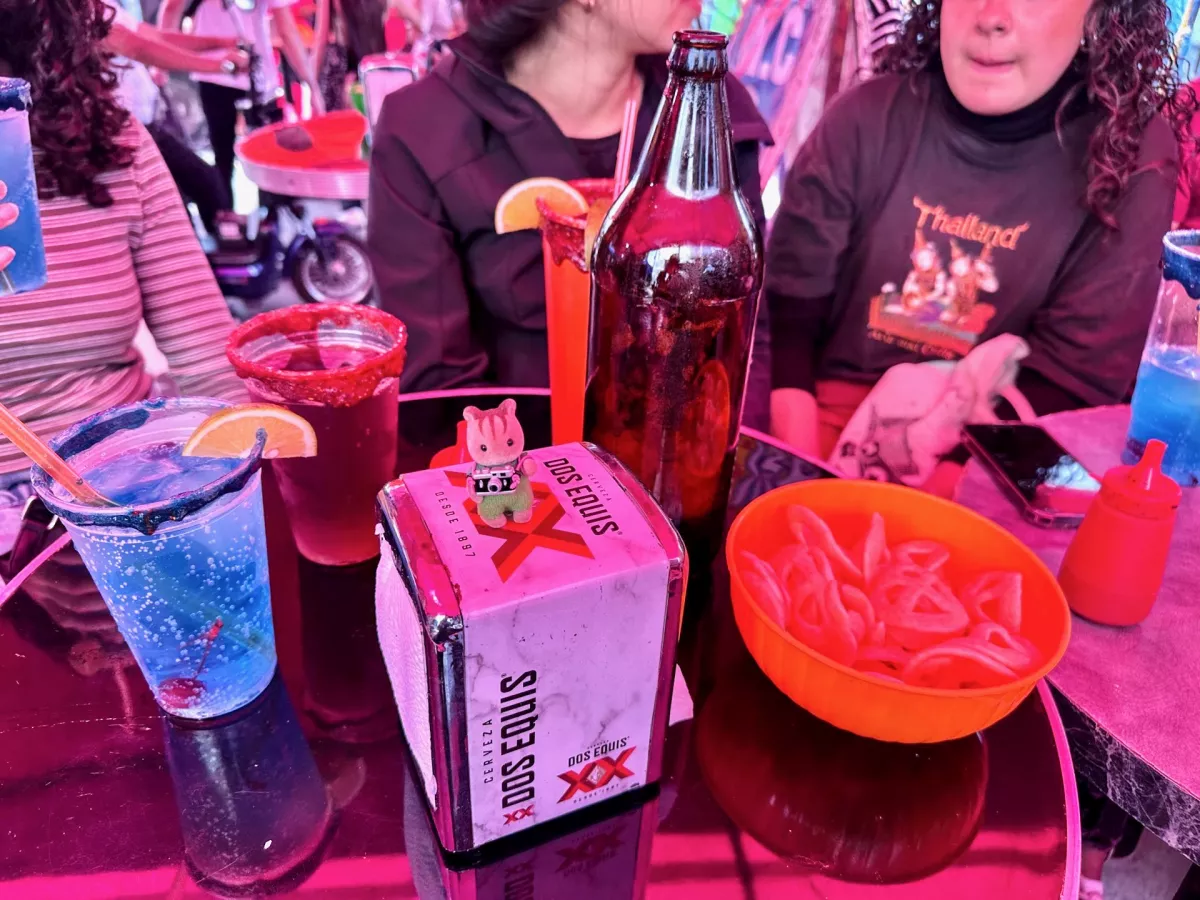
With an estimated arrival of 1.1 million tourists in Mexico City for the World Cup, the fight against clandestine parties and illegal beer bars (known locally as chelerías) is shaping up to be one of the main surveillance fronts for the Institute of Administrative Verification (Invea).
The general director of the Institute in the capital, Jorge Salvador Esquinca Montaño, warned that these types of events operate as a mechanism to evade the restrictions and supervision imposed on bars, nightclubs, and rooftops. Consequently, he announced that operations will be reinforced across various points of the capital.
“This phenomenon arises when we begin to crack down on establishments near schools, especially regarding the sale of alcohol to minors; that’s when massive clandestine events start to take place,” he explained in an interview with Expansión Política.
Esquinca Montaño detailed that, beyond lacking permits, clandestine parties are a problem because they represent a serious danger to the attendees themselves.
“The risk is very high; we have suspended parties where they intended to cram in 3,000 people, most of them minors. These venues can range from public restrooms to warehouses without any emergency exits, fire containment, or anything. That is why it is so risky,” the official stated.
In 2025, INVEA suspended 113 clandestine parties, mainly in the Cuauhtémoc, Benito Juárez, Coyoacán, and Tlalpan boroughs. Most of the time, they were held near schools.
However, with the World Cup approaching, these types of events could shift to areas where tourists usually gather. Therefore, special attention will be paid to hotspots like the Historic Center (Cuauhtémoc borough) and Polanco (Miguel Hidalgo borough), in addition to the Tlalpan, Coyoacán, and Benito Juárez boroughs.
Approximately 200 inspectors will work in the most relevant nightlife and tourist areas during the World Cup to respond to reports of clandestine parties, as well as to prevent the opening of irregular establishments like chelerías.
“Around the World Cup, we are focusing on regulating commercial establishments, especially in the downtown area of the city and around the sporting events. We want to ensure that chelerías or temporary venues don’t just pop up to sell alcohol without a permit when they see an area of opportunity. That is what we are going to focus on,” noted the director of Invea in the capital.
In 2025, Invea suspended or shut down around 1,800 chelerías.
The director of the Institute pointed out that citizen reports are a fundamental part of detection and intervention.
“We respond to citizen complaints. First, a visual inspection is conducted to verify whether the complaint is true or not, and then we proceed with a verification. Citizens have been contacting us; they help us a lot because a large part of this work is thanks to them,” he said.
Citizens can report chelerías, clandestine parties, or establishments that exceed capacity limits or operating hours.
Esquinca Montaño indicated that only between 5% and 10% of inspections at commercial establishments result in a suspension or closure.
“Not all verifications end in a suspension: we review everything related to their permits. Even though we do not issue them, we check that they have them. They must possess all their permits, such as land use, opening notices, and impact assessments. This could be low impact, neighborhood impact, or high impact, which applies to bars,” he maintained.
For example, he detailed that 120 inspections were carried out in hotels, 14 of which resulted in suspensions. In the case of commercial establishments, nearly 3,000 inspections were conducted, though he indicated that fewer than 100 were suspended.
The director of Invea commented that two weeks before the World Cup, review operations will begin at establishments to remind restaurants, clubs, and bars that selling alcoholic beverages to minors is prohibited, and that they must respect the maximum allowed capacity as well as authorized opening and closing hours.
Added to these measures is the “La noche es de todos” (The Night Belongs to Everyone) operation. This program currently runs on Thursdays, Fridays, and Saturdays, but during the World Cup, it will operate permanently, seven days a week.
The deployment will be coordinated by the Ministry of Government and will include the participation of the Ministry of Citizen Security, the Ministry of Integrated Risk Management and Civil Protection, as well as the Environmental and Land Use Prosecutor’s Office (PAOT), with the objective of reinforcing the supervision of establishments and curbing irregular activities in the capital’s nightlife.
How to Report Bribes from Invea?
To combat corruption during inspections, Invea removed 53 inspectors in 2025 who failed the trustworthiness exams administered by the Control and Trust Center of the Ministry of Citizen Security (SSC).
However, the director of Invea stated that—except for the Cuajimalpa borough—the districts have sufficient staff to carry out the necessary inspections.
“We have been supportive at all times, especially to the boroughs with the highest population index and largest number of establishments. We have increased inspections,” he said during a press conference on March 17.
If an Invea inspector commits an irregular act, such as requesting or receiving money to avoid an inspection or sanction, citizens can report it to the Internal Control Organ via telephone at 55 4737-7700 (extensions 1520, 1522, and 1526), or in person at the offices located at Carolina 132, 1st floor, Colonia Noche Buena, Benito Juárez borough.
A complaint can also be filed with the Comptroller General of Mexico City by calling 55 5627-9700, in person at Arcos de Belén 2, Colonia Doctores, Cuauhtémoc borough, or on the website contraloria.cdmx.gob.mx.
Source: politica.expansion