
Between 2018 and March 2026, the Agency for Safety, Energy, and Environment (ASEA) recorded 28 case files related to oil-related accidents occurring in the waters of the Gulf of Mexico, 12 of which have been resolved. However, the agency found no grounds for sanctions in any of them. The investigations cover the years 2018, 2019, 2022, 2023, 2024, and 2025, with no incidents recorded for the years 2020 and 2021.
Through its transparency unit, ASEA stated that in none of the 12 concluded cases did it issue any sanctions, as “no punishable infraction was determined.” The federal agency also notes that, as of March of the current year, it has 16 case files under review; three of these date back to 2025, while the remaining 13 are from 2026.
Data published by this news outlet show that between 2019 and September 2024 alone, PEMEX recorded 404 accidents at its offshore oil facilities—including 19 spills and 17 leaks—while environmental groups reported detecting 10 crude oil spills in the Gulf of Mexico between 2025 and 2026. Yet, ASEA reports only 28 open case files regarding these types of incidents.
According to the National Contingency Plan for Spills of Hydrocarbons and Potentially Hazardous Substances in Mexican Marine Zones, whenever a contingency of this nature arises in national waters—”no matter how minor”—it must be reported to ASEA. Nevertheless, the state-owned company fails to report such incidents in some instances.
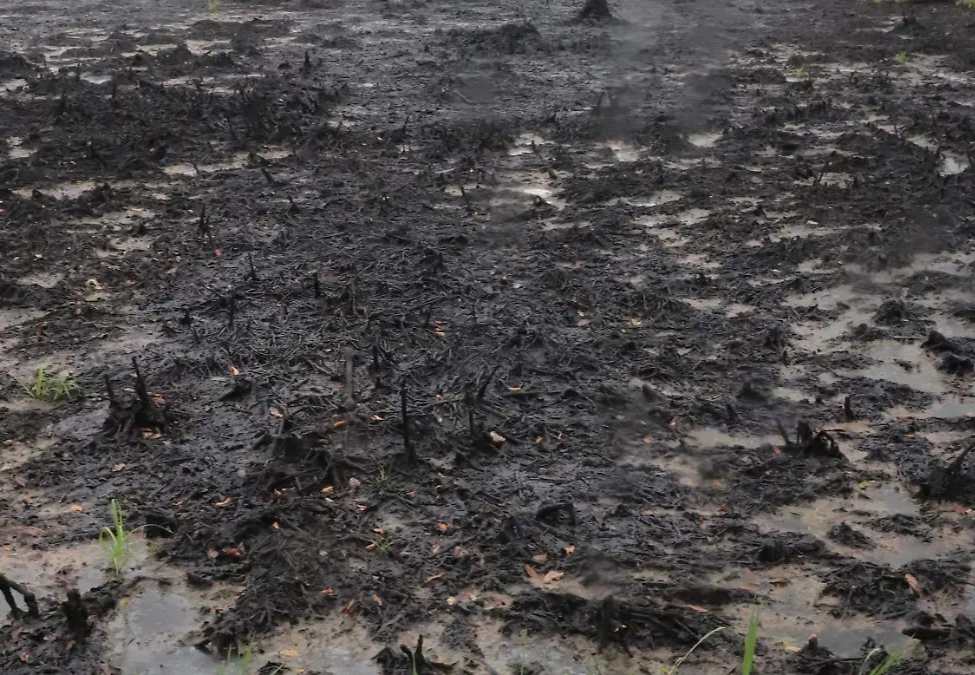
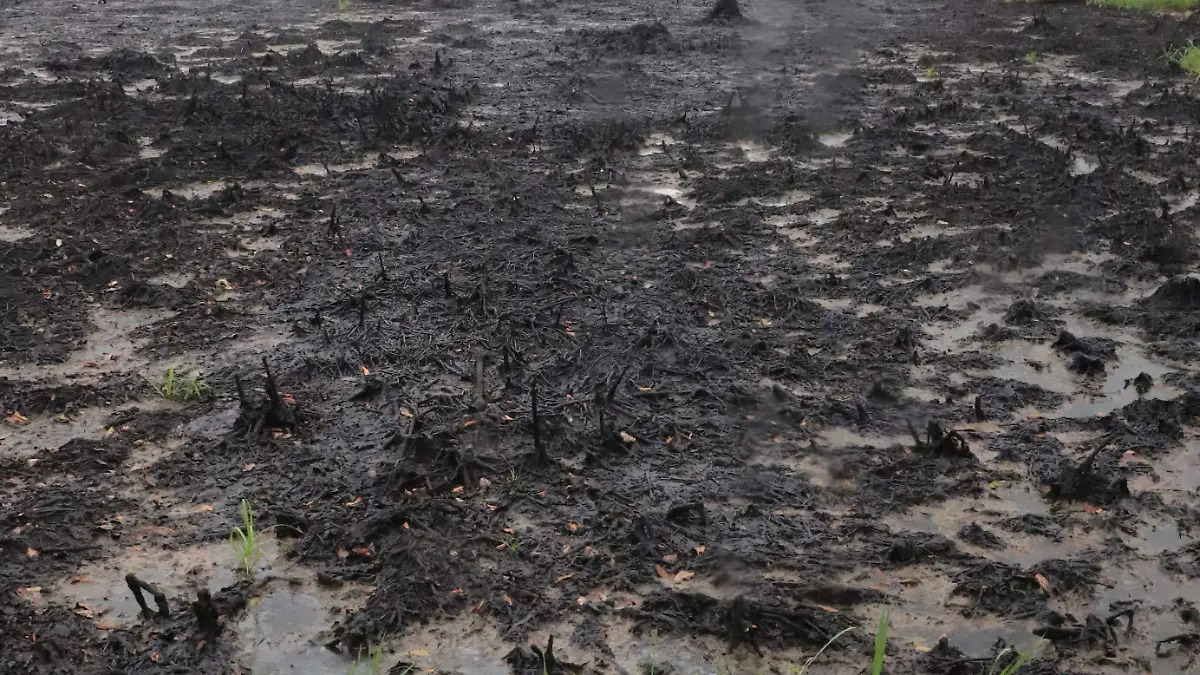
One of the most recent events of this kind occurred in early March of this year, when the presence of crude oil was detected along the coastlines of the states of Tabasco and Veracruz. The incident was initially denied by the Mexican government, but by the end of that same month, it ultimately accepted responsibility. Consequently, financial aid was authorized for more than 3,000 fishermen affected by the situation—an event that remains under investigation. This development also coincided with the opening of 13 case files by the ASEA and the recent resignation of Víctor Rodríguez Padilla as a director at Pemex. These cases are expected to be resolved in the coming months, with hopes that, on this occasion, sanctions will be imposed.
Why is this news important?
This information is significant because it highlights a potential disconnect between the actual magnitude of oil-related accidents in the Gulf of Mexico and the institutional response tasked with overseeing and penalizing them.
Source: oem