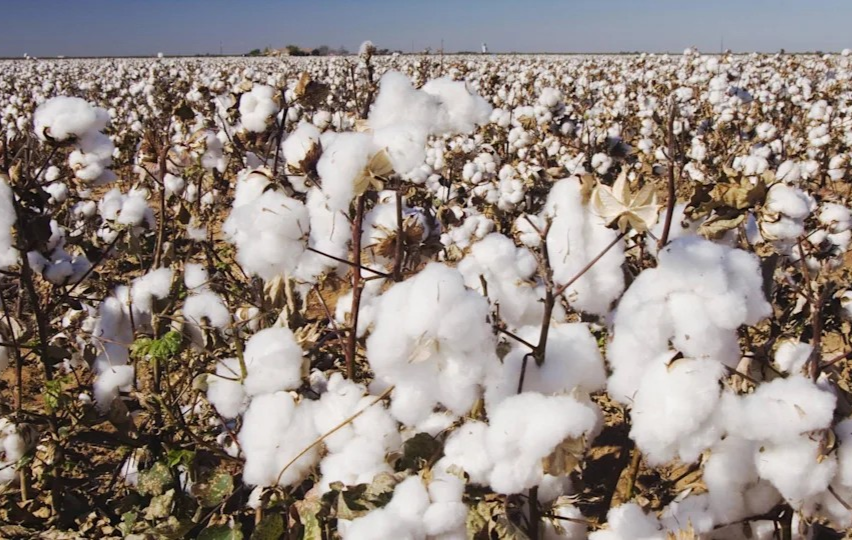

Cultivated cotton is the world’s most important source of natural textile fiber, but until now, its origins were uncertain. A new study indicates that both modern perennial and annual varieties trace their genetic lineage to Yucatán, Mexico.
A team of researchers led by Iowa State University (USA) published a study in PNAS analyzing samples from wild cotton populations in Florida, the Yucatán Peninsula, and the Caribbean islands of Puerto Rico and Guadeloupe.
The study suggests that cotton domestication was a gradual process characterized by the long-term accumulation of mutations, rather than the rapid changes and major mutations often seen in other domesticated crops.

Collecting the genomic sequences of cotton populations allowed researchers to analyze genetic diversity across cotton’s wild range, as well as the history of its domestication.
The analyses “confirm the hypothesis that the Yucatán Peninsula (Mexico) is the center of domestication, from which the original perennial forms and, subsequently, modern annual crops were derived,” the study states.
Evidence from population structure and phylogenomics indicates that northwestern Yucatán harbors greater genetic diversity compared to the smaller, geographically dispersed populations of the northeastern part of the peninsula and the Caribbean Basin.
However, the research adds, populations in Florida and other areas of the Caribbean Basin maintain unique pockets of diversity.
The study quantified the diversity in wild cotton populations and revealed the origin of the cultivated gene pool, the genetic bottlenecks that accompanied domestication, and the possible ecological and anthropogenic processes that determined current diversity and geographic distribution.

Source: es-us.noticias.yahoo